Bob Dylan, Led Zeppelin, the Doors and a singing cowboy all had a chance at the most famous weekend in rock history. Each one passed, and most of them later explained why.
Bob Dylan lived in the town of Woodstock, New York, in the summer of 1969. He did not play Woodstock, and strictly speaking, nobody played in Woodstock. The festival took its name from the promoters’ company, Woodstock Ventures, which was named after the artists’ town where they had hoped to open a recording studio. The show itself ran from August 15 to 18 on Max Yasgur’s dairy farm in Bethel, New York, about 45 miles southwest of Woodstock in a straight line and roughly an hour and a half by car. It landed there only after the town of Wallkill, its first planned home, pushed it out a month before opening.
In the spring and early summer of 1969, then, Woodstock looked like one more outdoor festival in a season crowded with them. Nobody knew it would draw a crowd estimated in the hundreds of thousands, then become an Oscar-winning film and a triple album.
Plenty of famous acts said no. Most of their reasons come from interviews given years later, and those accounts do not always agree. Where they clash, the entries say so. Three of the acts below were actually booked and still never reached the stage.
Part one: They turned it down
011. Bob Dylan
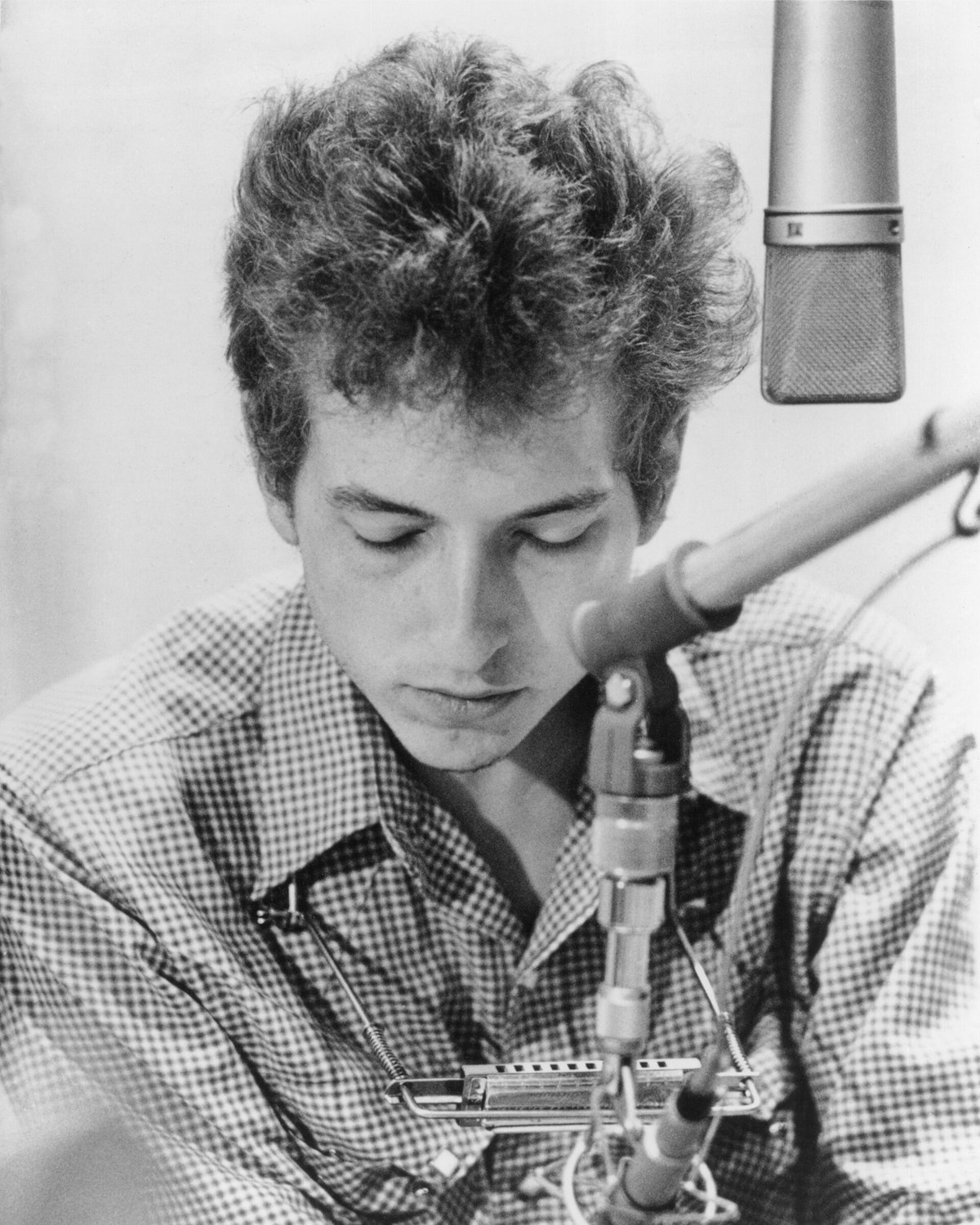
Dylan was a big reason the music world thought of Woodstock as a rock town at all. He had lived in and around it since the mid-1960s, and his famous 1967 home recordings with the Band were made in a house in nearby West Saugerties. According to the most widely cited account, he never seriously negotiated to play the festival. By mid-July he had agreed to headline the Isle of Wight Festival in England on August 31 instead. Fan histories add that he had grown weary of strangers turning up at his house.
The timing turned almost comic. Dylan planned to sail for England on the Queen Elizabeth 2 on August 15, the day Woodstock opened. A mishap involving his young son and a cabin door kept the family off the liner, and they flew over later. One fan history says the boy was ill rather than hurt. On the Isle of Wight, Dylan’s backing group was the Band, who had played Woodstock two weeks earlier.
022. Led Zeppelin
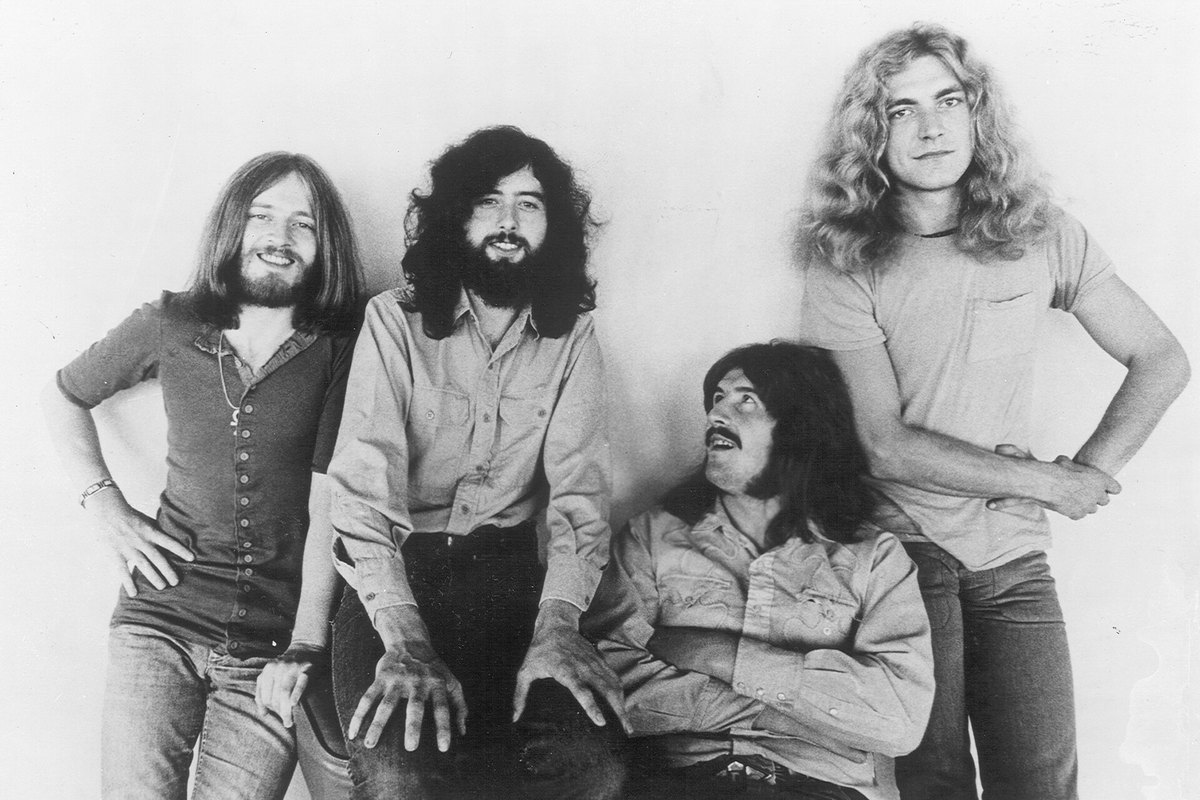
In August 1969, Led Zeppelin were barely a year old and rising fast in America. Their manager, Peter Grant, turned Woodstock down. His explanation, as quoted in Dave Lewis’s book Led Zeppelin: The Concert File, was that at Woodstock they would have been just another band on the bill. That bill ended up with 32 acts. Grant wanted Zeppelin headlining their own shows.
Robert Plant gave a slightly different version on Jimmy Fallon’s show in 2010, saying the band’s management worried they would be typecast.
That weekend, on Saturday, August 16, Led Zeppelin headlined Convention Hall in Asbury Park, New Jersey. Their opening act was Joe Cocker, who then made his way to Bethel and played Woodstock the next afternoon. Led Zeppelin II arrived that October and knocked the Beatles’ Abbey Road off No. 1 in America.
033. The Rolling Stones
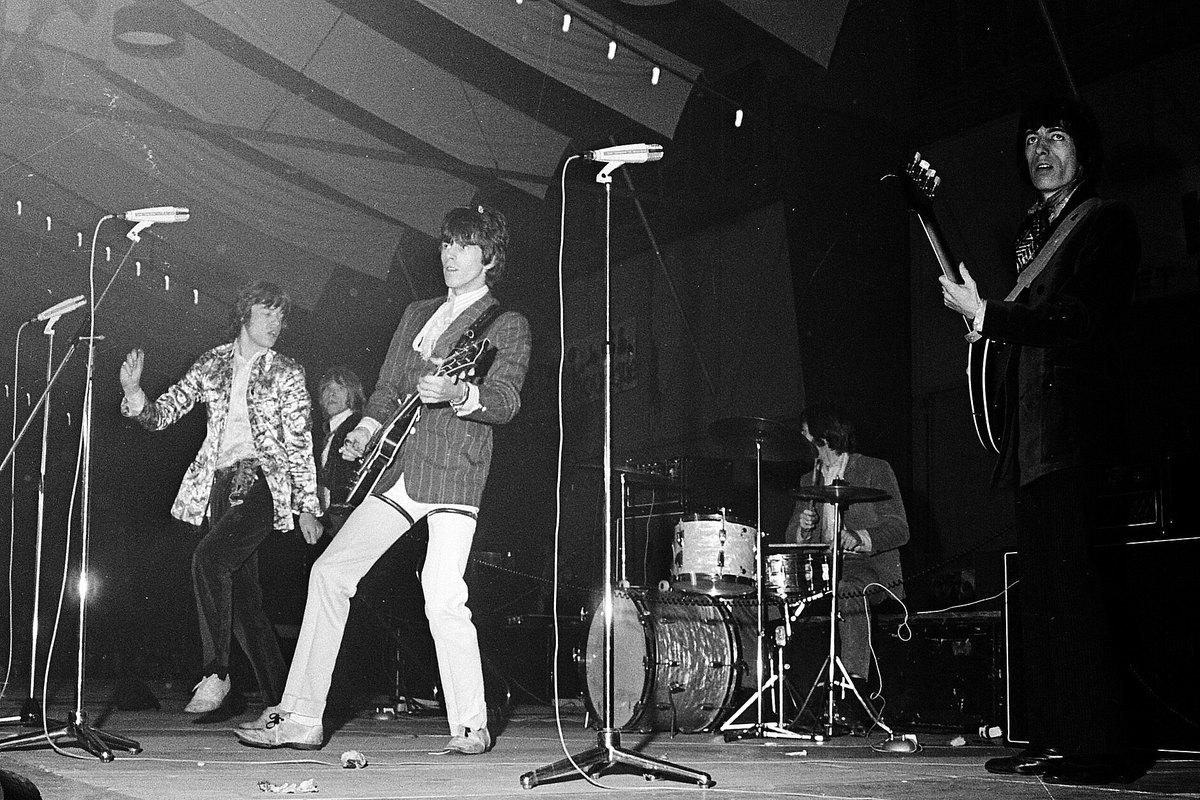
Mick Jagger was on the other side of the world. When Woodstock came calling, he was in Australia starring in the title role of the film Ned Kelly, according to accounts gathered by Ultimate Classic Rock and others. Back in London, Keith Richards had just become a father. His son Marlon was born on August 10, 1969, five days before the festival opened.
With a lead singer filming in Australia and a guitarist home with a newborn, they had the least mysterious excuse on this list. Missing the festival cost them nothing. Days after it ended, “Honky Tonk Women” began a four-week run at No. 1 on the Billboard Hot 100, and that November the band started its first U.S. tour in three years.
044. The Doors
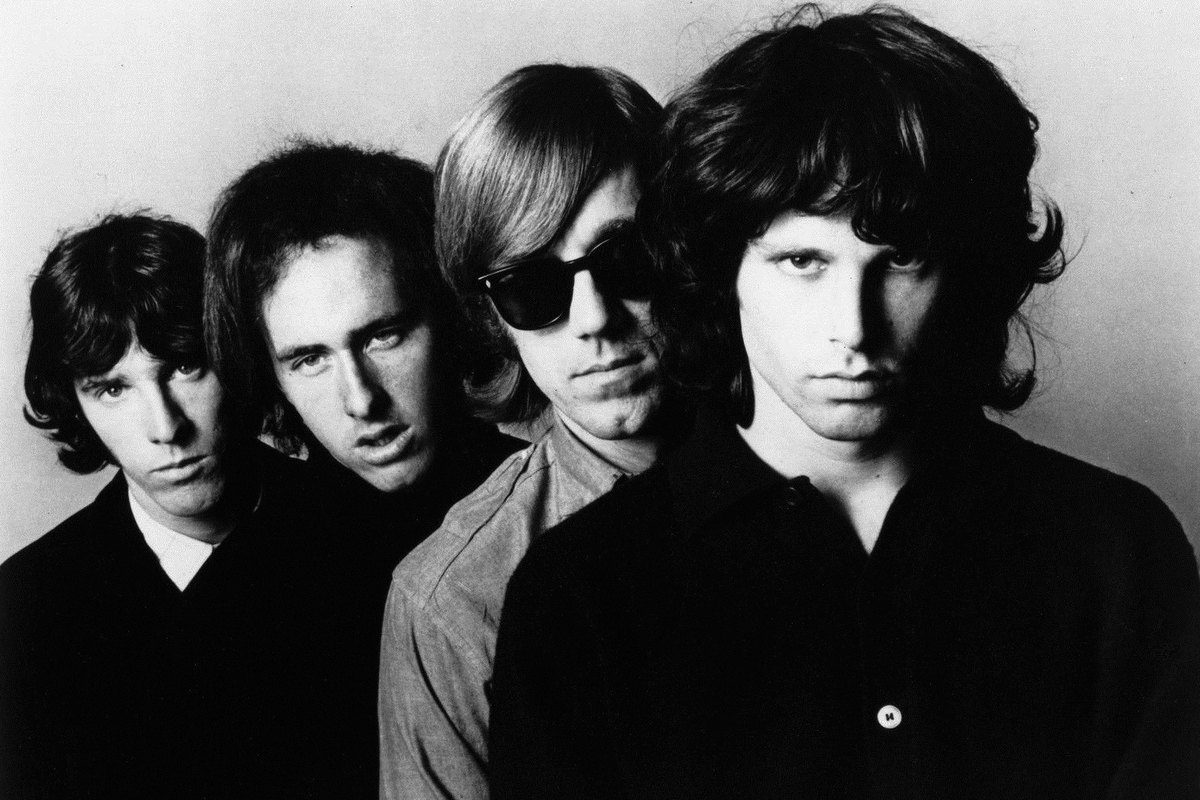
With the Doors, the accounts start to conflict. Robby Krieger and Ray Manzarek took fan questions in a 1996 online chat, and the retellings of that chat split the credit. Wikipedia credits Krieger with the reasoning: the band expected Woodstock to be a second-rate repeat of the 1967 Monterey Pop Festival, and later regretted passing. CBS News quoted Manzarek admitting the band had been foolish to turn it down.
Krieger later told an interviewer that it was Manzarek who doubted anyone would travel all the way up to Woodstock. Several histories offer a third explanation: Jim Morrison disliked playing big outdoor shows.
Two of them went anyway. Krieger and drummer John Densmore attended Woodstock as spectators, and the full group played the giant Isle of Wight Festival the following summer.
055. The Byrds
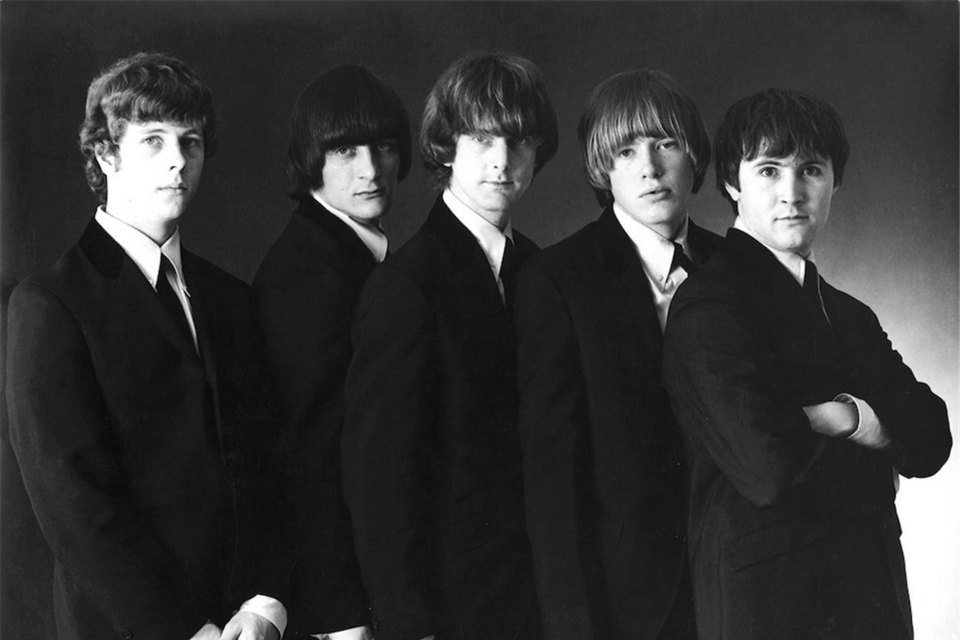
By the summer of 1969, the Byrds had already played their share of festivals, and they assumed Woodstock would be one more. Bassist John York later told biographer Johnny Rogan that the band had no idea what it was going to become, and that they were worn out and tired of the festival circuit. CBS News added that the band was reportedly unsure how much it would be paid.
It was a very different Byrds by then. Roger McGuinn was the only founding member left, backed by guitarist Clarence White, drummer Gene Parsons and York.
A former Byrd did make it to the farm. David Crosby, pushed out of the band in 1967, played Woodstock with Crosby, Stills, Nash & Young, only the group’s second show in front of an audience, as Stephen Stills told the crowd from the stage.
066. Jethro Tull
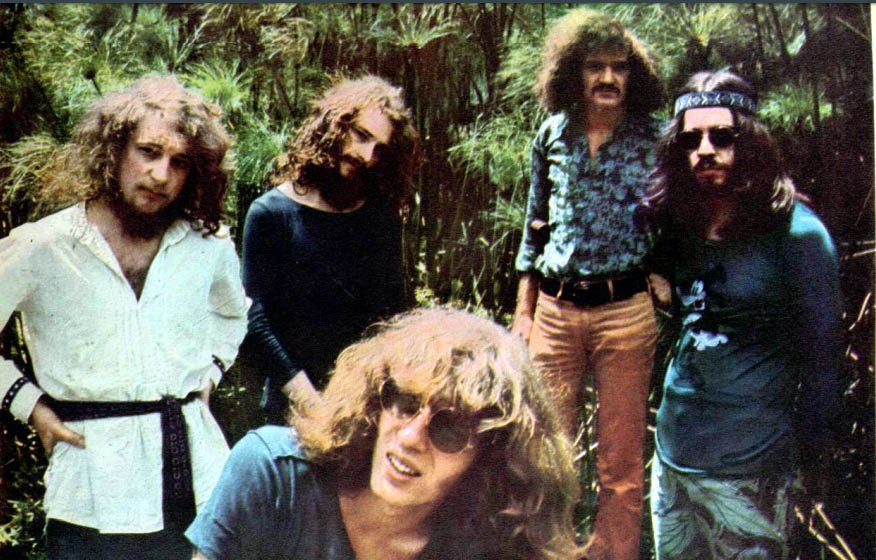
Ian Anderson made this call himself, and he has never pretended to regret it. In a 2018 interview with the Philadelphia Inquirer, he said the offer came at short notice during the band’s second American tour, around the time Stand Up went to No. 1 in the UK. He felt Jethro Tull was still learning its craft, and that it was too early to have the band defined by one giant event.
He pointed to Ten Years After, who played Woodstock and could never shake the association. Skipping it, he said, was one of his best career decisions.
Other interviews give a blunter version. Anderson has said he never felt part of the hippie world and did not want that label attached to his band. Both reasons are his. Which one he leads with depends on when he was asked.
077. Frank Zappa and the Mothers of Invention
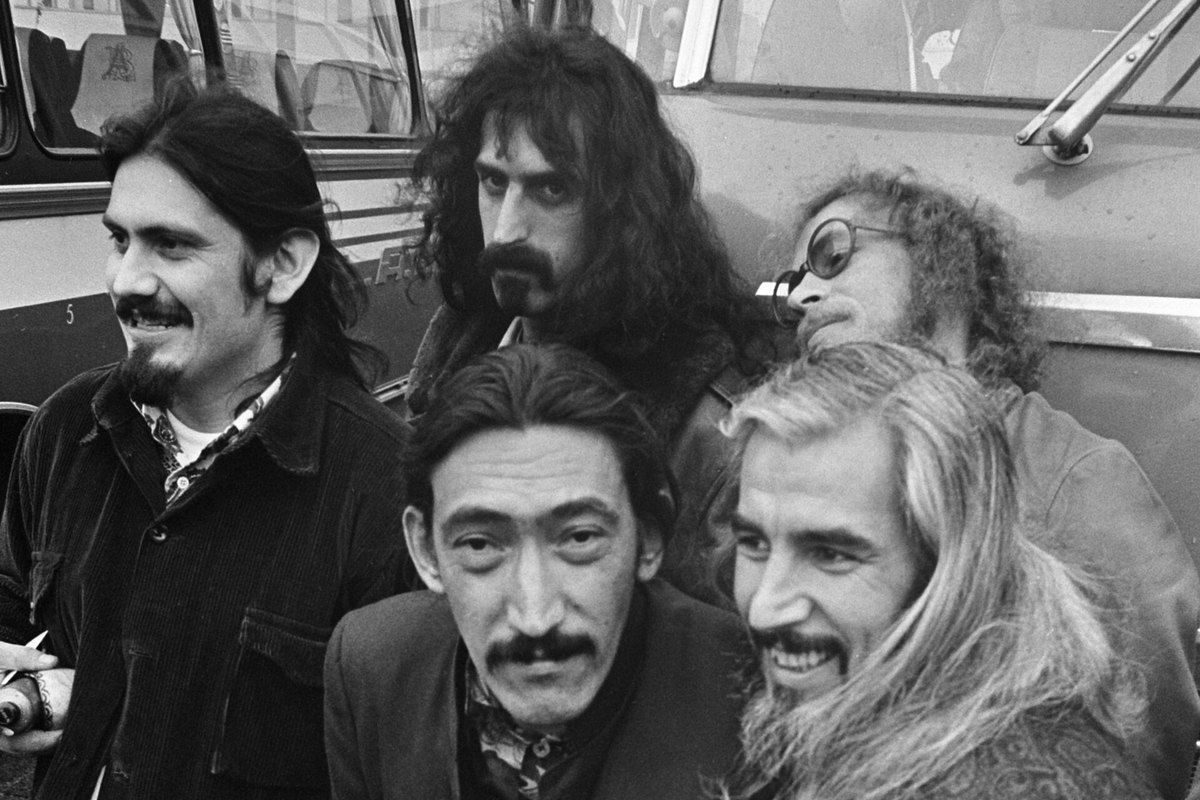
Zappa’s verdict was short. In a later television interview, he remembered a lot of mud at Woodstock and said simply that the Mothers were invited and turned it down.
He was one of the sharpest critics of hippie culture in rock, and the Mothers had already spoofed it on their 1968 album We’re Only in It for the Money, whose cover parodied Sgt. Pepper.
The Mothers were also close to the end. The band had nine members in 1969, and Zappa was covering the payroll out of his own publishing royalties. Before the year was out, he broke up the band. His next record, the mostly instrumental solo album Hot Rats, came out that October and became one of his most admired works.
088. Spirit
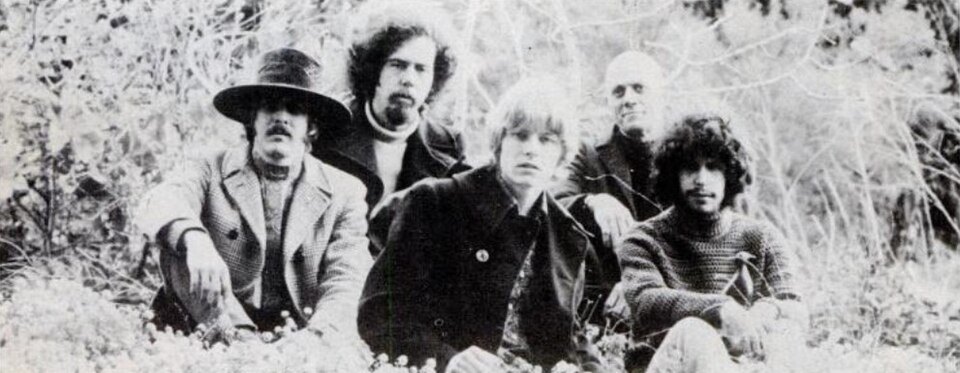
Spirit were a Los Angeles band with a jazz streak, a hit in “I Got a Line on You,” and a guitarist with a Jimi Hendrix connection. Randy California had played in Hendrix’s Greenwich Village band in 1966, and Hendrix gave him his stage name.
Accounts of why Spirit skipped Woodstock vary. Wikipedia, citing the liner notes of the band’s 1969 album Clear, says they already had shows planned and preferred to play those, not knowing how big Woodstock would be. Several fan histories say their management kept them on a promotional run for Clear instead. Hendrix, meanwhile, closed Woodstock on Monday morning.
099. Procol Harum
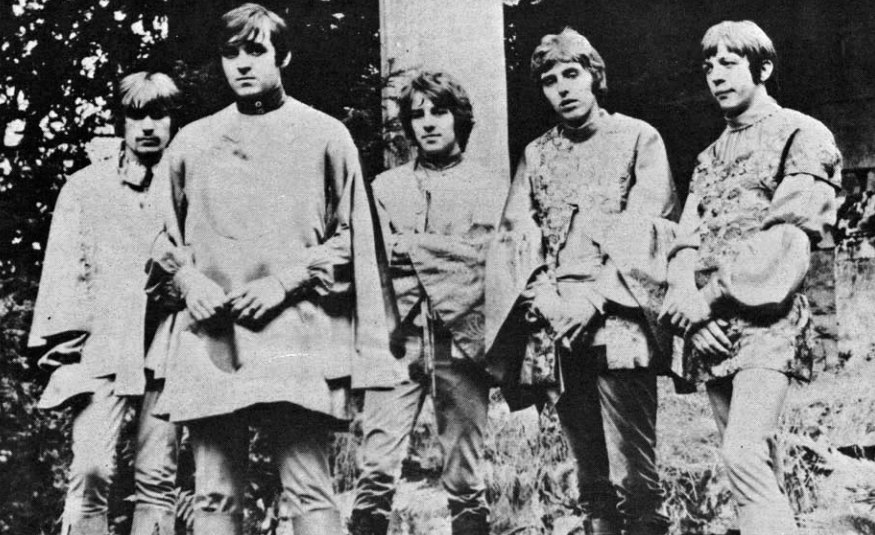
Two years after “A Whiter Shade of Pale” made them famous, Procol Harum were offered a place at Woodstock and declined. The usual explanation has two parts. The festival fell at the end of a long tour, and it coincided with the due date of guitarist Robin Trower’s baby.
That reason appears in several histories and in CBS News’s list of acts that almost played, and no account we found contradicts it. It is one of the few explanations on this list that nobody argues over.
Procol Harum had released A Salty Dog that June, and they kept recording into the 1970s. Trower went on to a long solo career built on heavy, Hendrix-inspired guitar.
1010. Roy Rogers
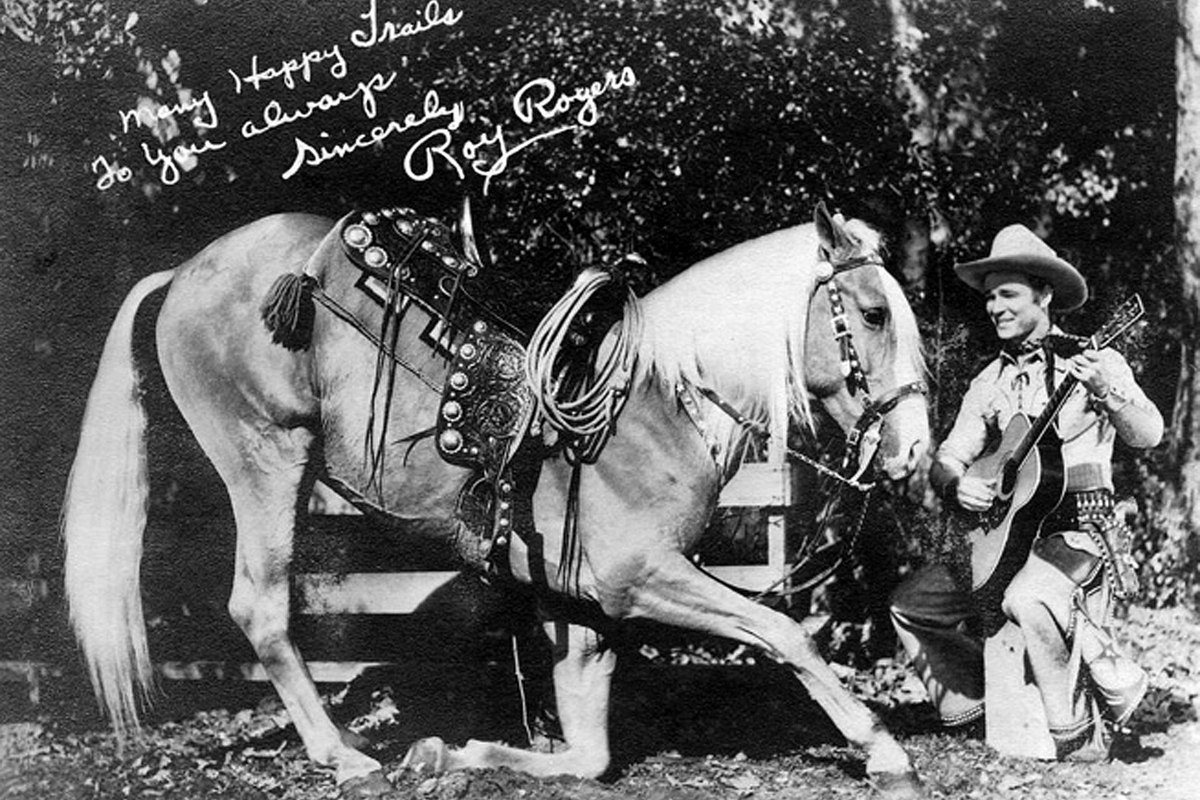
The strangest no on the list came from the King of the Cowboys. Woodstock co-creator Michael Lang said in 2009, while promoting his book The Road to Woodstock, that his first choice to close the festival was Roy Rogers singing “Happy Trails.” Lang’s reasoning was that everyone in the audience had grown up with Rogers on television.
Rogers turned him down. Lang did not give a reason, and the explanations later attributed to Rogers are secondhand, so the why stays open.
Had Rogers said yes, Woodstock might have ended with a 57-year-old singing cowboy waving goodbye, not Jimi Hendrix playing “The Star-Spangled Banner” on Monday morning to the thinned-out crowd that stayed. By Lang’s account, Hendrix had insisted on closing all along, and he got his wish.
1111. Tommy James and the Shondells
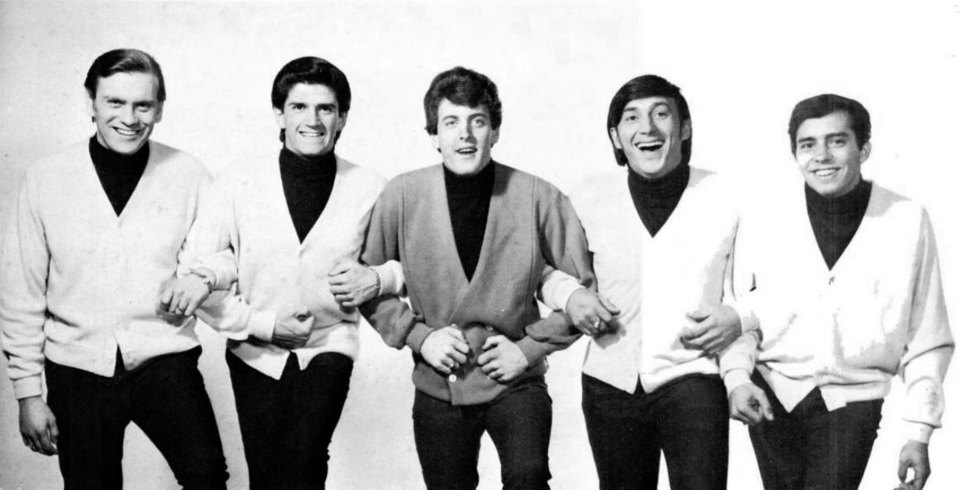
Tommy James and the Shondells were among the biggest singles acts in America in 1969. “Crimson and Clover” had reached No. 1 that February. They still passed, and James tells the story against himself.
In the liner notes to Rhino’s Anthology, he recalled that the band was in Hawaii when his secretary called. As she put it to him, a pig farmer in upstate New York wanted them to play in his field. They said no, and James said they realized what they had missed a couple of days later.
The description was not even accurate. Max Yasgur ran a dairy farm. James has since called it the biggest mistake of his career, according to one festival history.
1212. Simon & Garfunkel
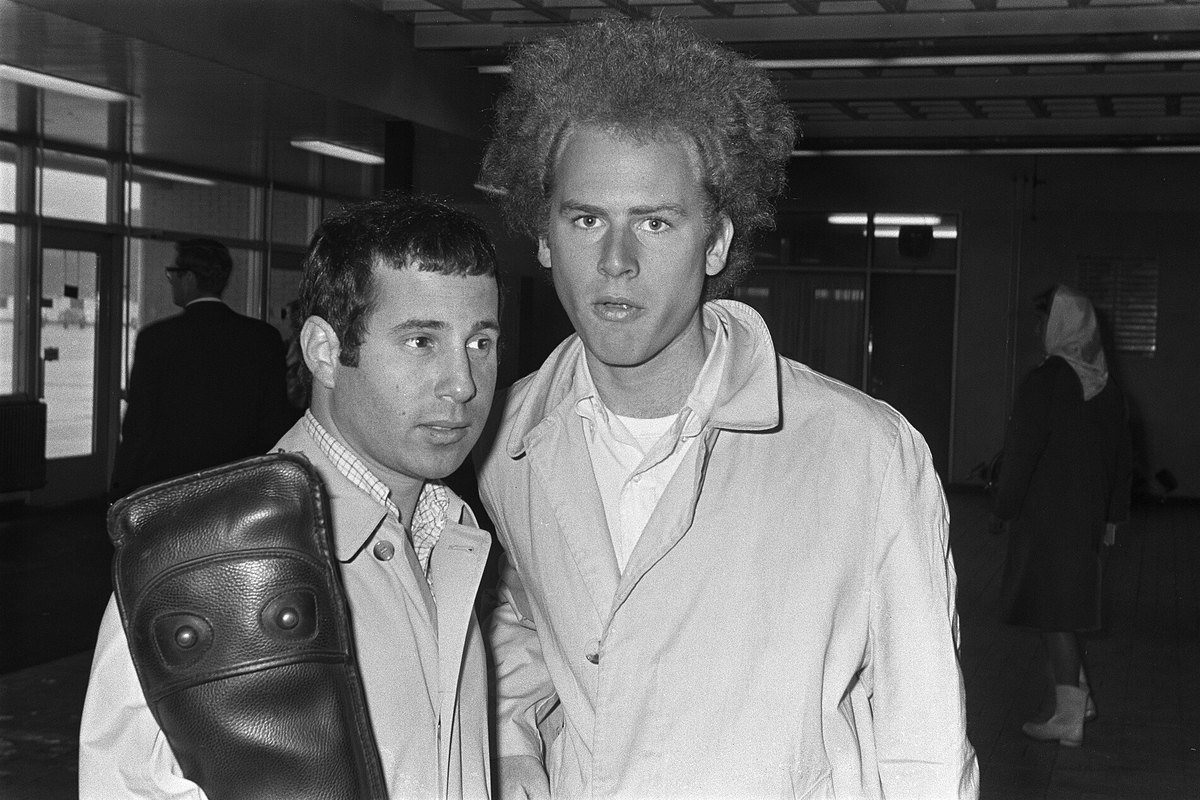
Simon & Garfunkel declined because they were busy making the album that became Bridge over Troubled Water, according to a 1991 biography of the duo cited by Wikipedia. The record came out in January 1970 and won the Grammy for Album of the Year, which makes it a strong case for staying home. It was also the last studio album they made together.
Their music reached the farm anyway. Folk singer Bert Sommer played Simon & Garfunkel’s “America” during his set on the first night and earned what Wikipedia’s festival history calls the first standing ovation of the weekend.
Part two: Booked, then gone
1313. The Moody Blues
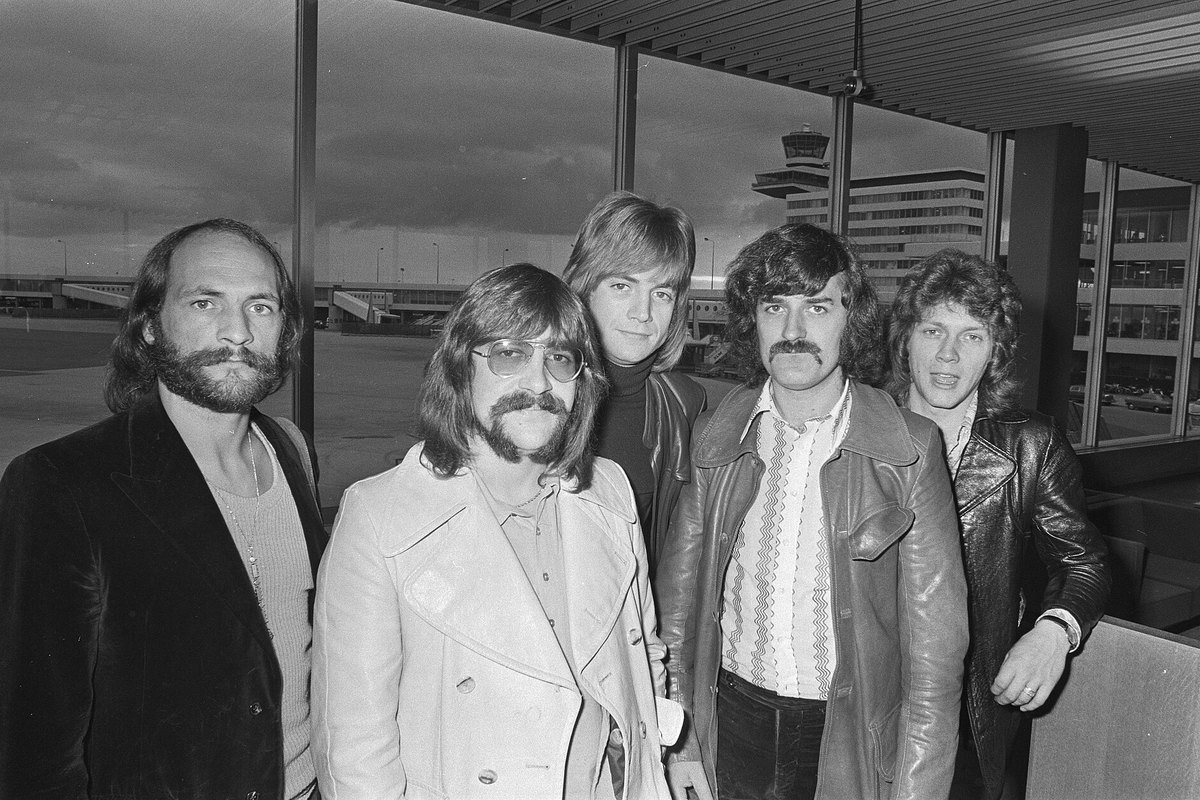
The Moody Blues had their name printed on the original festival poster, back when the event was still headed for Wallkill. Then they took a booking in Paris for the same weekend and pulled out.
Justin Hayward explained the choice in a 2016 interview with OnMilwaukee. The band had built a strong following in Europe by playing its big festivals, and it stayed on that circuit. After Paris, the Moodies went to the Isle of Wight Festival, where they crossed paths with another Woodstock absentee, Bob Dylan.
The band’s album To Our Children’s Children’s Children, inspired by the Apollo 11 moon landing, arrived that November.
1414. The Jeff Beck Group
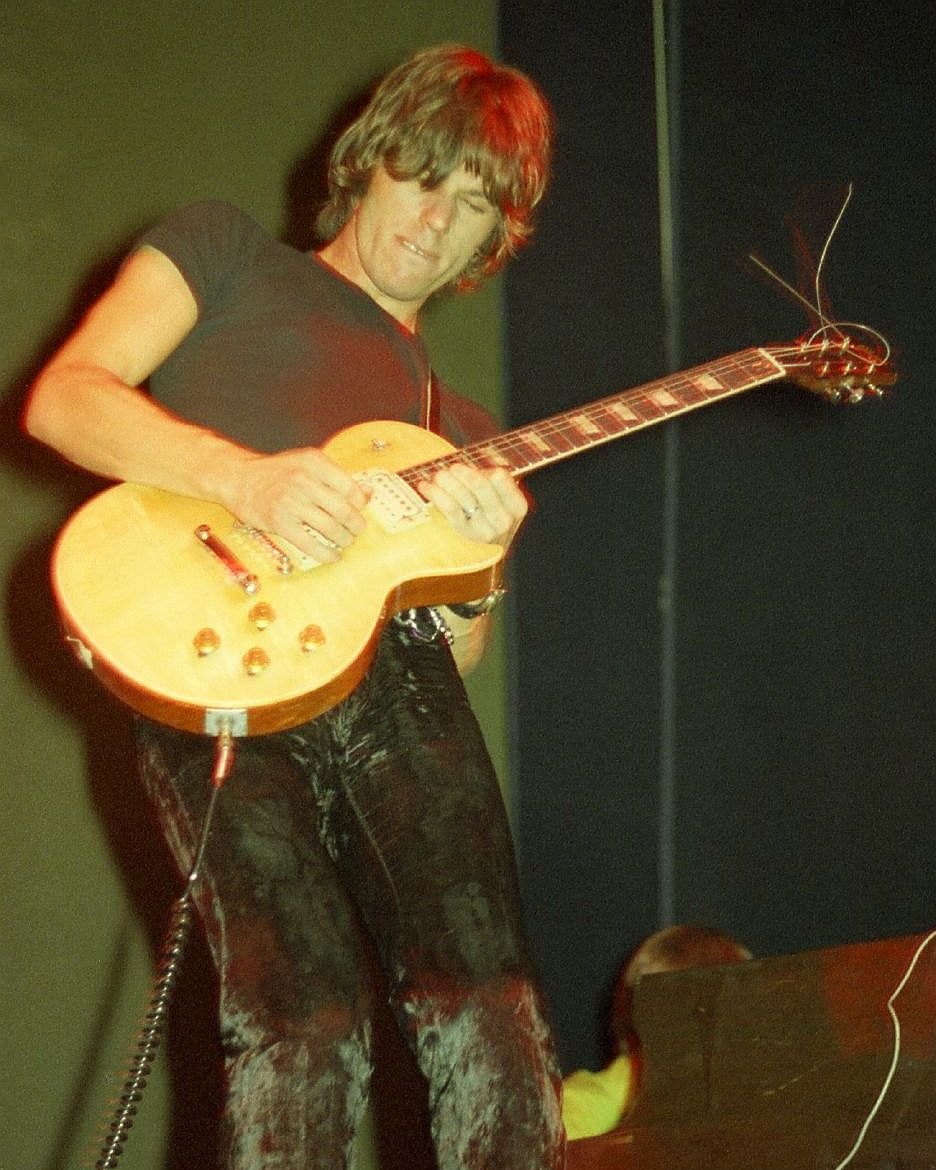
The Jeff Beck Group were booked, and their lineup is a supergroup in hindsight: Beck on guitar, Rod Stewart singing, Ron Wood on bass, and Nicky Hopkins on piano. Shortly before the festival, Beck broke the band up.
In Annette Carson’s 2001 biography, Beck said he deliberately broke up the group before Woodstock because he did not want that lineup preserved. Other accounts point to personal tension inside the band, and one fan history says Stewart later reflected that missing Woodstock spared them a lifelong Woodstock-act label.
The breakup did not keep everyone home. Hopkins played Woodstock anyway, sitting in on piano with Jefferson Airplane. Stewart and Wood went on to join the Faces.
1515. Joni Mitchell
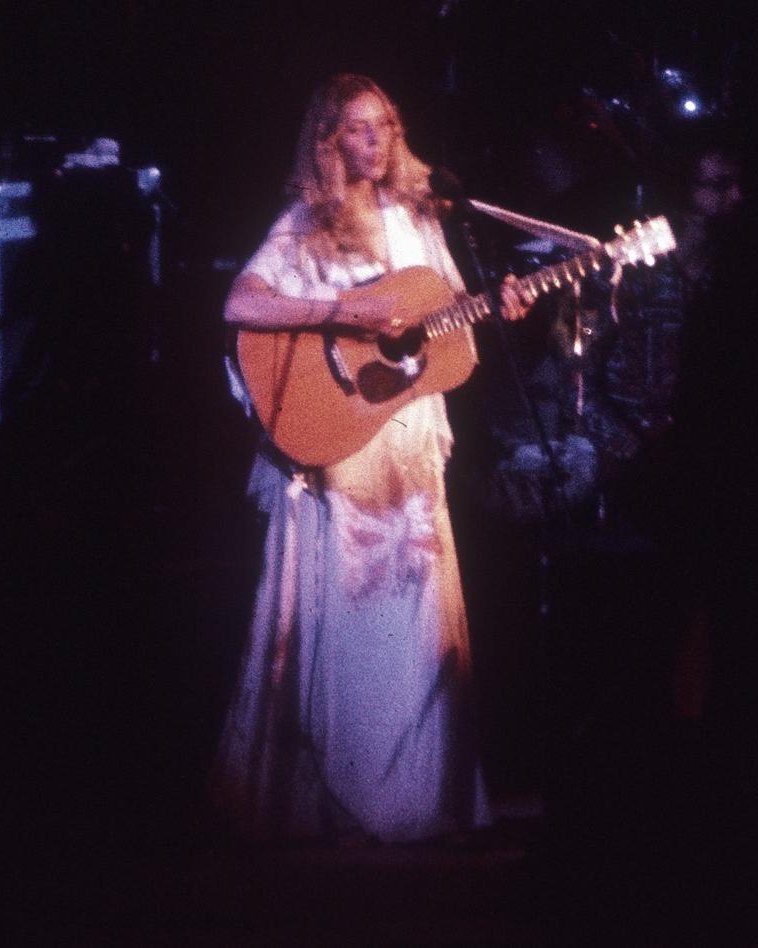
Joni Mitchell was scheduled to play. David Geffen, usually described as her manager (some accounts say agent), steered her away because she was due on The Dick Cavett Show in New York on Monday, and he worried that festival traffic would make her miss a national TV slot.
So she stayed in a New York hotel room and watched the festival on television, also drawing on what her boyfriend Graham Nash told her about it. Out of that came “Woodstock,” the song most people now hum when they think of the festival. Crosby, Stills, Nash & Young recorded the best-known American version, and Matthews Southern Comfort took it to No. 1 in the UK.
Mitchell later said that missing the festival gave her an intense angle on it. The Cavett taping went ahead, too, with Jefferson Airplane, Stephen Stills and David Crosby arriving straight from the farm.
How the no’s turned out
Woodstock only became Woodstock after the fact, once the 1970 documentary and soundtrack turned a muddy weekend into a legend. In 1969, saying no was often a sensible business call, and many of these acts went on to huge years anyway. Joni Mitchell may have done best of all: she never set foot on the farm and still wrote its anthem.