
A rock and roll B-side, a song written in a July heat wave, a Wolverhampton glam anthem and a 1994 pop ballad. Every winter the same records come back, and so do the checks.
Every December, the same old records come back to the radio, the shopping mall and the office party. Slade’s Noddy Holder has called “Merry Xmas Everybody” his pension plan, and he was not joking. The same is true, in pounds or dollars, for the writers of a small group of songs that the whole world agrees to play again every single winter.
A quick note on the numbers. The organizations that collect songwriting royalties do not publish what any individual song earns. Every figure below is a press estimate, and we say who made it. Some are yearly, some are lifetime totals, and they often disagree. Treat them as ballpark figures, not bank statements.
What the estimates do show is who gets paid. The checks follow the songwriting credit, which is not always the famous voice on the record. We start with the songs where the money took an unexpected turn and finish with the biggest seasonal earner in pop.
011. Chuck Berry, “Run Rudolph Run”
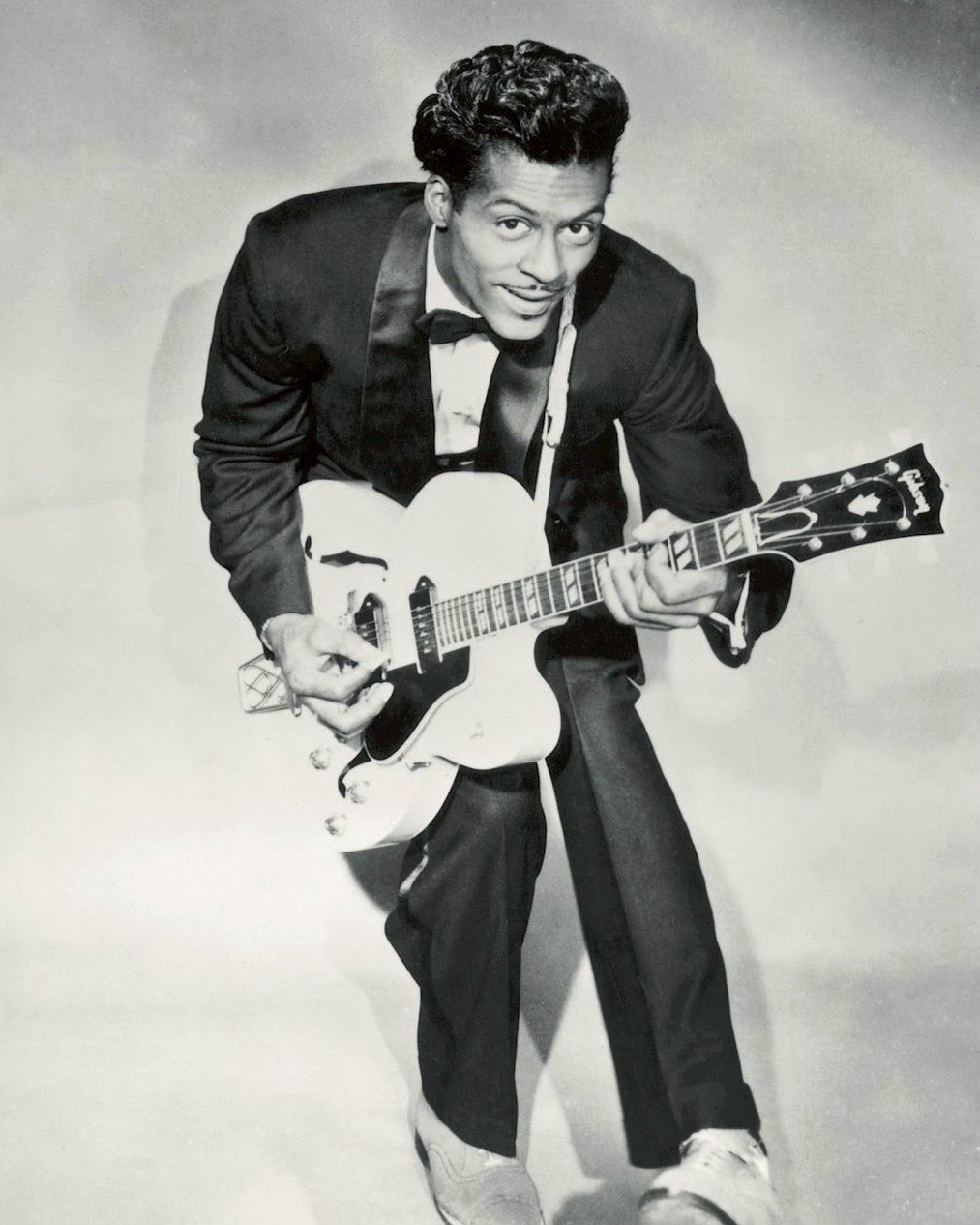
In 1958, Chess Records put out “Run Rudolph Run” as the B-side of Berry’s “Merry Christmas Baby.” It peaked at No. 69. Berry said he wrote the song himself.
There was one problem: the reindeer. Johnny Marks, who wrote “Rudolph the Red-Nosed Reindeer,” held a trademark on the character. Later pressings credited Marks and a co-writer listed as M. Brodie, and the song was published by Marks’s company, St. Nicholas Music. Berry later said Marks had no part in writing it. No reliable royalty estimate has been published, but the credit tells you where the songwriting money goes. The song finally reached No. 10 on the Billboard Hot 100 in January 2021, more than six decades after its release.
022. Bobby Helms, “Jingle Bell Rock”
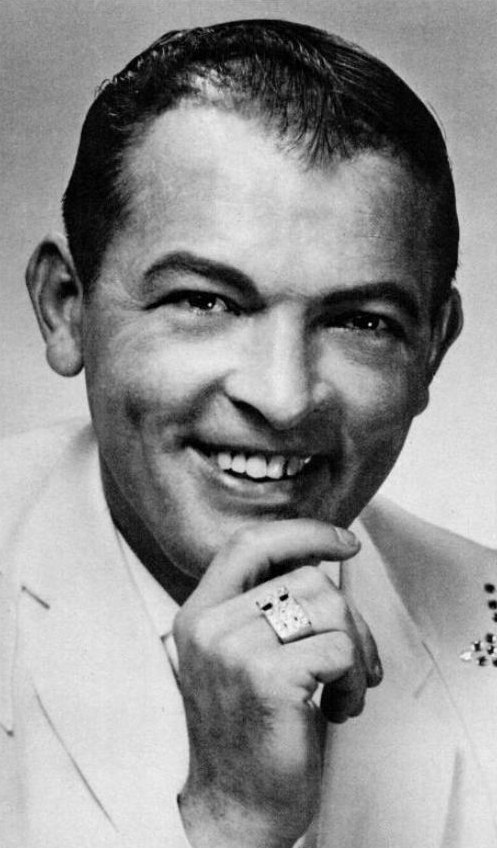
Helms recorded “Jingle Bell Rock” in October 1957, and Decca released it that November. The credited writers were Joe Beal and Jim Boothe, a public relations man and an advertising copywriter, neither of them a full-time songwriter.
Helms and session guitarist Hank Garland told a different story. They said the song began as “Jingle Bell Hop” and that they reworked its music, lyrics and tempo and added the bridge. Neither man received a writing credit or writing royalties. Helms also admitted in a 1992 interview that he had not wanted to record it at first. The record went on to climb higher than ever, reaching No. 2 on the Hot 100 chart dated December 27, 2025. No dependable royalty figure exists, but the songwriting share follows Beal and Boothe’s names.
033. José Feliciano, “Feliz Navidad”
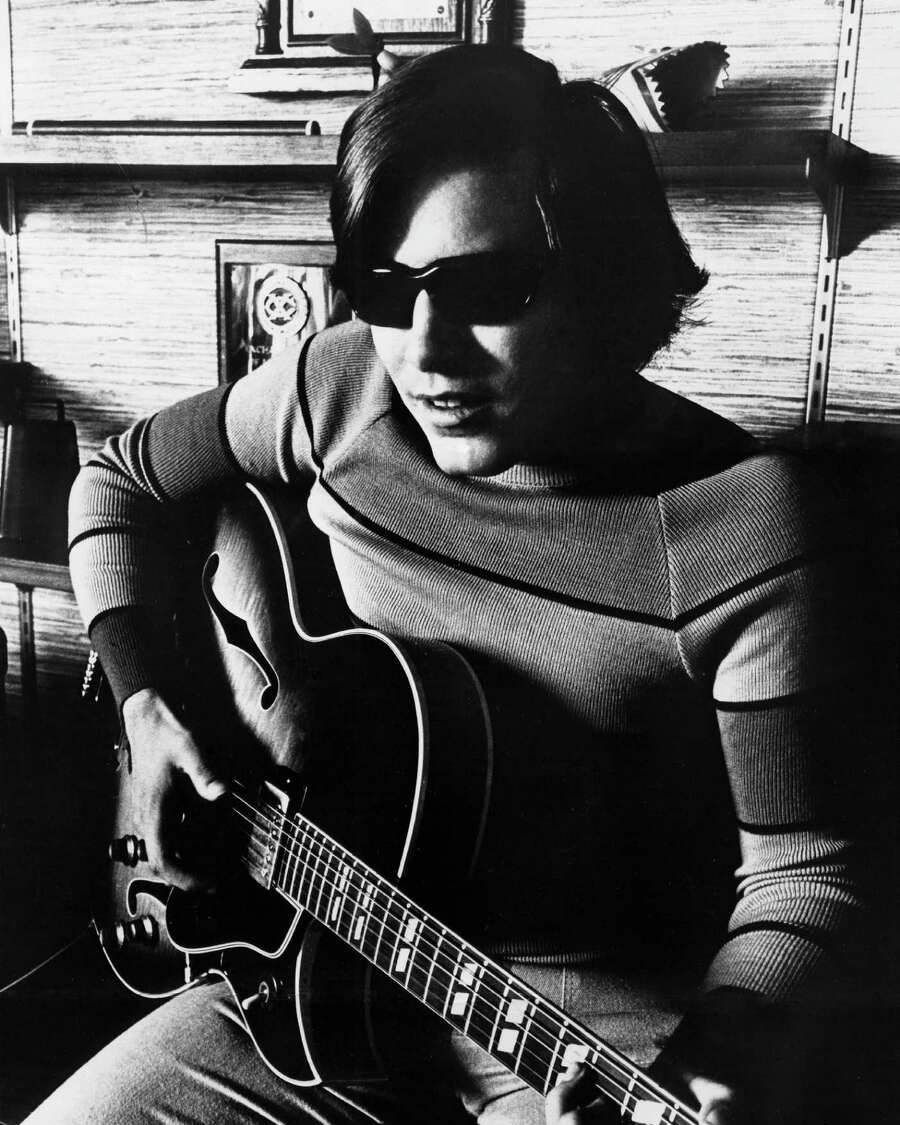
Feliciano wrote “Feliz Navidad” in 1970 while he was feeling homesick at Christmas, during the sessions for a holiday album with producer Rick Jarrard. RCA released it on November 9, 1970. Half Spanish, half English and endlessly repeatable, it became one of the most played holiday songs in the world.
ASCAP counts it among the 25 most played and recorded Christmas songs. The original recording entered the Grammy Hall of Fame in 2010, and it reached its highest Hot 100 position, No. 6, in December 2020, fifty years on. No trustworthy royalty estimate has been published. The detail that matters is simple: Feliciano is its only credited writer, so the songwriting share is not split with anyone.
044. Brenda Lee, “Rockin’ Around the Christmas Tree”

Lee was 13 when she recorded it in Nashville on October 19, 1958. It flopped at first and only charted after she became a star in 1960. The writer was Johnny Marks again, the same man behind “Rudolph” and “A Holly Jolly Christmas,” who founded his own publishing company, St. Nicholas Music, in 1949.
The song’s second life has been even bigger than its first. In December 2023, 65 years after its release, it hit No. 1 on the Billboard Hot 100 for the first time. That set a record for the longest climb to the top, and Lee became the oldest artist ever to top the chart, at 78. No reliable royalty number has been reported. Lee earns as the performer, while the songwriting income belongs to the Marks catalog.
055. Shakin’ Stevens, “Merry Christmas Everyone”

Stevens recorded his holiday single in 1984 and then waited. The release was pushed back a full year so it would not go up against Band Aid’s charity record. When it finally came out on November 25, 1985, it reached No. 1 in Britain, his fourth and last chart-topper there.
Here is the twist. Stevens did not write it. The song is by Bob Heatlie, and that credit decides the split. The Irish Times, citing earlier reporting, put the song’s annual royalties at about £130,000, with most of it going to Heatlie and Stevens reportedly taking around £10,000 from radio plays.
066. Wizzard, “I Wish It Could Be Christmas Everyday”

Roy Wood wrote and produced this one and recorded the basic track in August 1973. To get in the mood, engineer Steve Brown decorated the studio for Christmas and set the air conditioning as cold as it would go. A school choir joined in, the sleeve credited “Miss Snob and Class 3C” with additional noises, and Wood’s credits list a cash register among his instruments.
It reached No. 4 in the UK while a certain Slade single sat at No. 1 that same Christmas. It has returned to the UK chart every year since 2007. The Evening Standard reported in 2024 that it earns Wood about £200,000 a year.
077. Wham!, “Last Christmas”
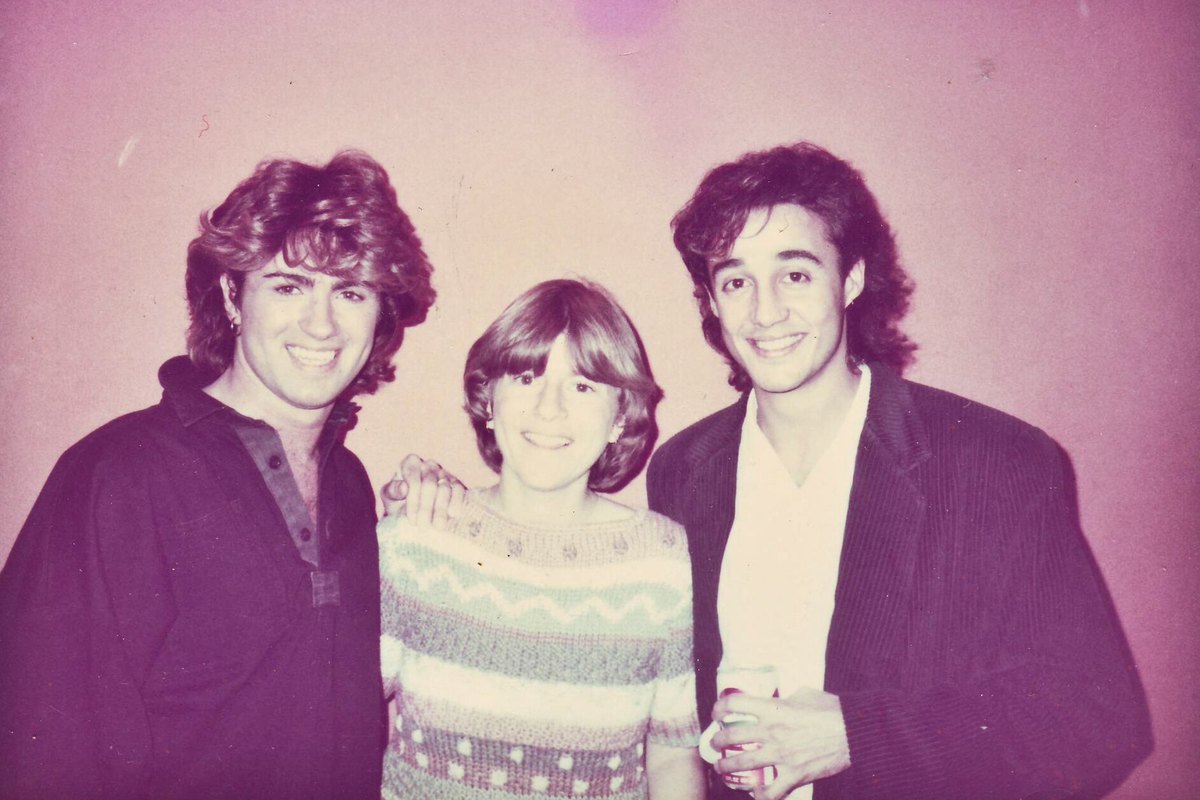
George Michael wrote and produced “Last Christmas” and played every part himself. He recorded it in August 1984 at Advision Studios in London, and he decorated the room for Christmas to set the mood. Released that December, it stalled at No. 2 behind Band Aid’s “Do They Know It’s Christmas?”, a record Michael also sang on.
When the single came out, Michael announced its proceeds would go to Ethiopian famine relief, and Wham! is widely reported to have donated its royalties. His manager Simon Napier-Bell later told the story with a catch: Michael could give away his own royalties, but the record label’s share, the management commission and Andrew Ridgeley’s half were not his to give. The song finally reached No. 1 in Britain on January 1, 2021. Estimates attributed to PRS for Music data put it at about £300,000 a year, and the Evening Standard has gone as high as £470,000.
088. Paul McCartney, “Wonderful Christmastime”
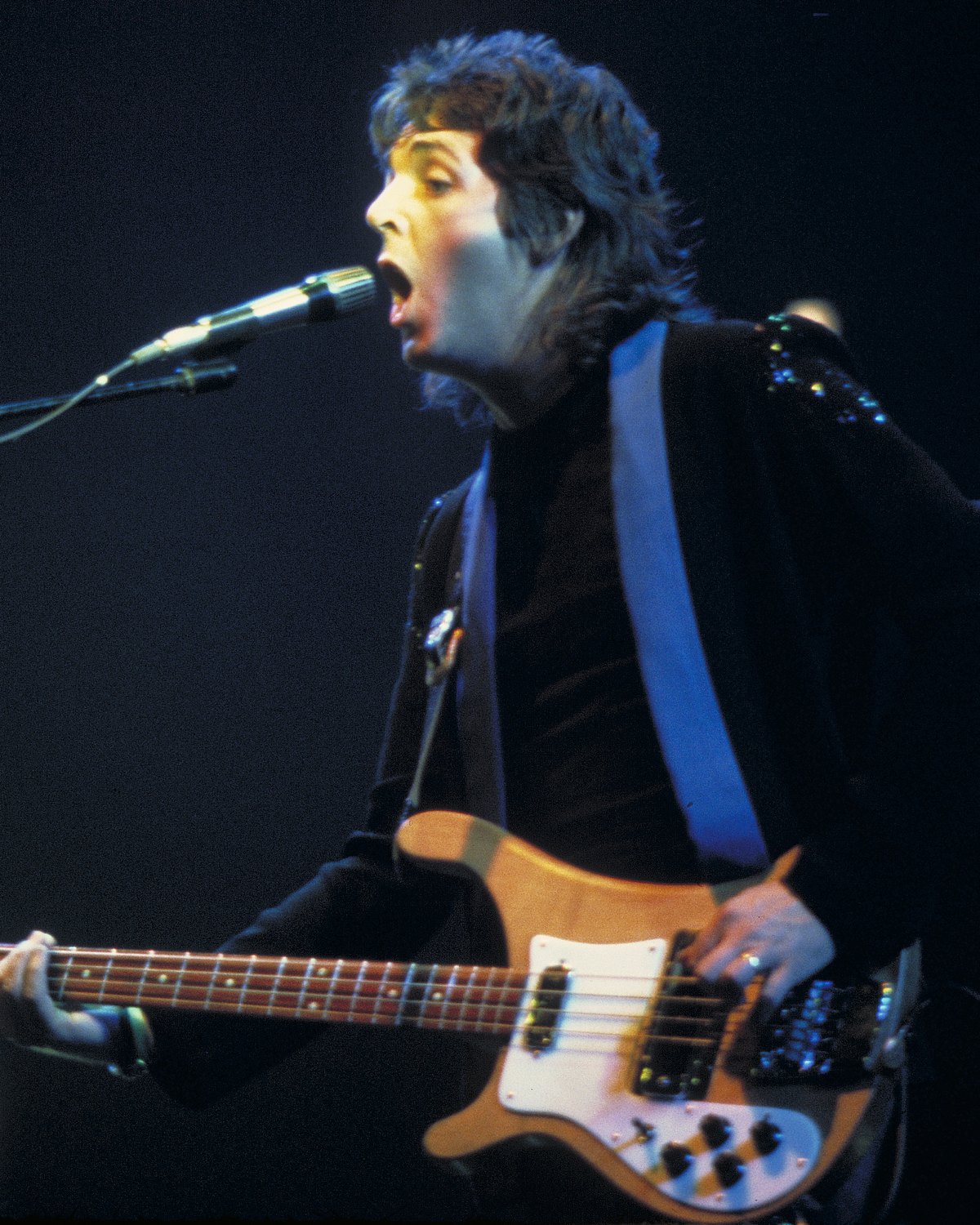
McCartney made it in the summer of 1979, between a farm studio in East Sussex and his studio in Scotland. He played and arranged every instrument himself, including the synthesizers and sleigh bells.
It reached No. 6 in Britain and took decades to land on the American chart, debuting on the Hot 100 in December 2018. Critics have never been unanimous about it, but radio programmers are. Forbes estimated in 2010 that it earns McCartney between $400,000 and $600,000 a year, and NME later reported a lower figure of $250,000.
099. Mel Tormé and Nat King Cole, “The Christmas Song”
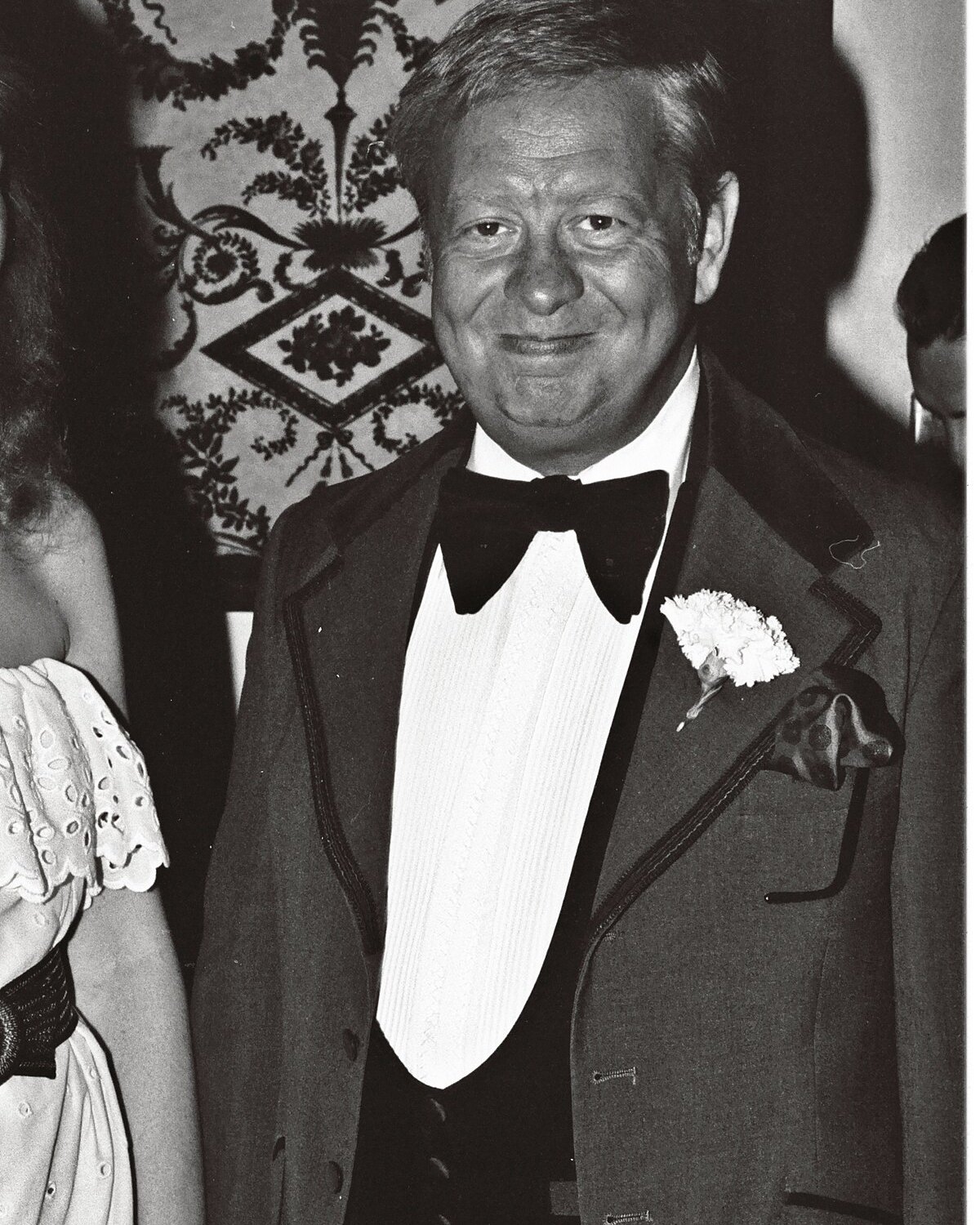
The most wintry song in the American songbook was written in a heat wave. In July 1945, lyricist Bob Wells was trying to stay cool by thinking cool, jotting down cold-weather images. Tormé saw the lines and, by his own account, the two of them finished the song in about 40 minutes.
Nat King Cole recorded it in 1946, then again with strings, again with a full orchestra in 1953 and once more in stereo in 1961. That last version is the one most people know. BMI calls it the most performed Christmas song of all time. Celebrity Net Worth estimates the song has earned about $45 million over its lifetime.
1010. Slade, “Merry Xmas Everybody”
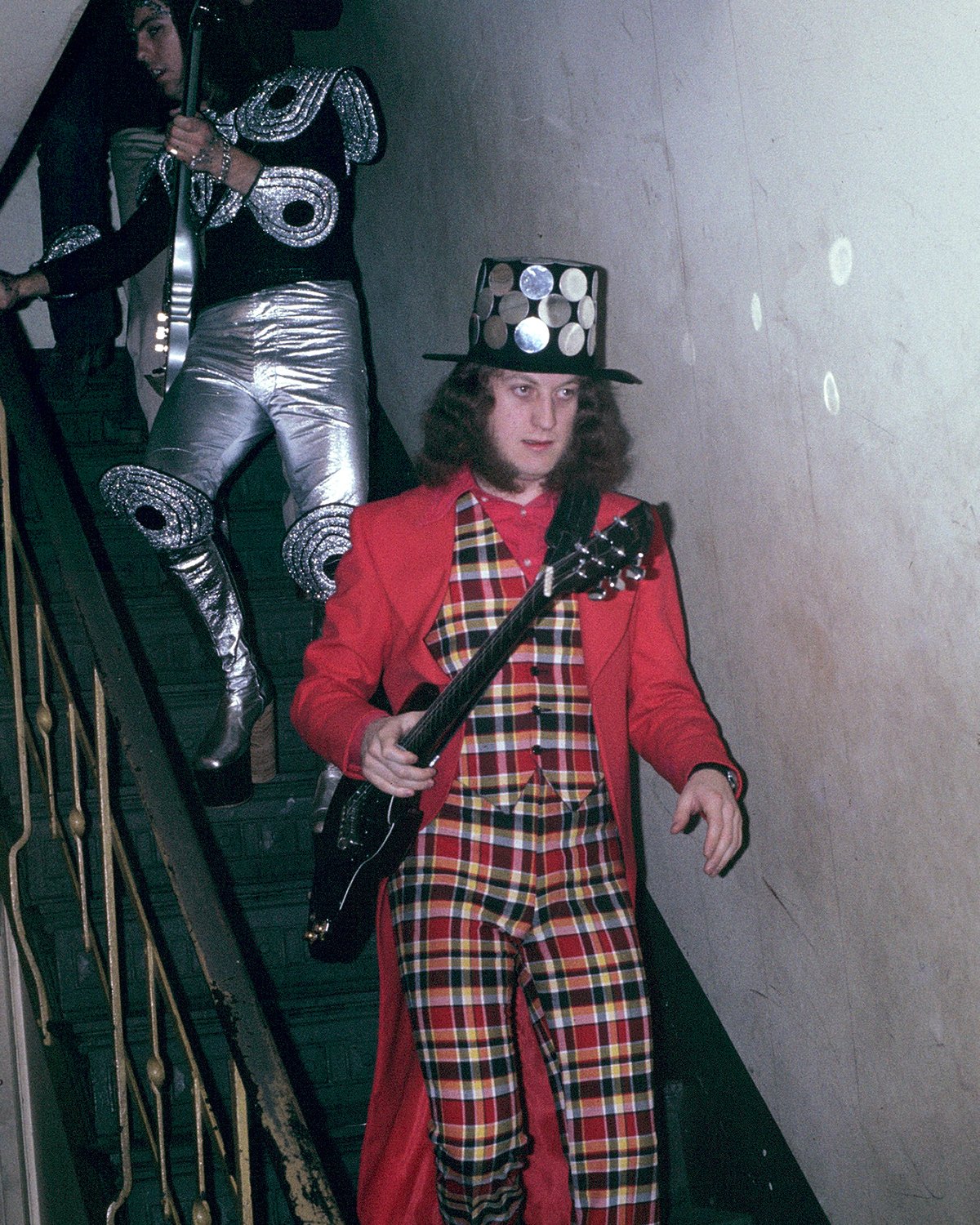
In 1973, Slade’s manager Chas Chandler suggested a Christmas song. Holder wrote the lyrics overnight at his mother’s house in Walsall, in a single draft, about what he called a working-class Christmas. Jim Lea wrote the verse melody, and the chorus came from a tune Holder had written in 1967. The band recorded it at the Record Plant in New York in the middle of an American tour, recording the chorus in a hallway.
It entered the UK chart at No. 1 on December 15, 1973, and it has never really left British Decembers. A 2015 Daily Telegraph analysis of PRS for Music figures estimated the song earns £500,000 a year, and a 2016 Channel 5 program put the figure closer to £1 million. Holder and Lea share the songwriting credit, so they share the pension.
1111. Irving Berlin and Bing Crosby, “White Christmas”
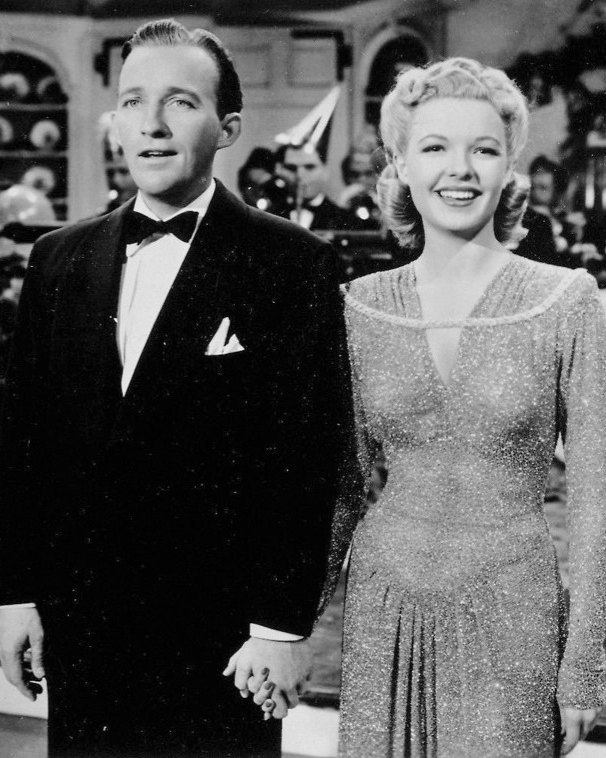
Berlin wrote it for the 1942 film “Holiday Inn,” and it won the Academy Award for best original song. Crosby recorded it on May 29, 1942. The original master was played so often it wore out, so Crosby re-recorded the song on March 19, 1947.
Guinness World Records concluded in 2007 that Crosby’s recording has sold at least 50 million copies, which makes it the best-selling physical single ever. Estimates based on PRS for Music figures put its royalties at about £328,000 a year. Celebrity Net Worth puts the song’s lifetime earnings at about $65 million, more than any other holiday standard on its list.
1212. Mariah Carey and Walter Afanasieff, “All I Want for Christmas Is You”

Carey and Afanasieff wrote it in the summer of 1994. He started with boogie-woogie piano and melodic ideas, she answered with lyrics, and he later described the process as a game of ping-pong. They recorded it in August 1994 at the Hit Factory in New York, and it came out on October 29, 1994.
Then it simply refused to stop. It reached No. 1 on the Hot 100 for the first time on the chart dated December 21, 2019, a quarter of a century after its release, and in 2021 it became the first holiday song certified Diamond by the RIAA. The Economist estimated in 2017 that it had earned more than $60 million in royalties, with Carey taking about $2.5 million a year. In 2023, Will Page, Spotify’s former chief economist, told the Associated Press he expected the song to pass $100 million in earnings that season. Carey and Afanasieff share the songwriting credit, and every December the meter starts running again.
The real Christmas bonus
Write the right three minutes of music and December can pay you for the rest of your career. The catch is that you have to be the one named on the songwriting credit. Ask Bobby Helms, or ask Shakin’ Stevens. Then put on Mariah and enjoy the most profitable sleigh bells in pop.