
Beyond the records, familiar musicians built lives in classrooms, workshops, farms, and airline cockpits.
Glenn Medeiros has a different kind of morning audience these days. In an October 2026 USC profile, the singer behind “Nothing’s Gonna Change My Love for You” described arriving at his Honolulu school around 6:45 a.m. to help with the drop-off line. He is the school’s president. The evening can still bring a singing engagement, but the working day belongs to students, teachers, and the business of running a school.
He is in good company. Familiar names from ’80s and ’90s records have trained as watchmakers, qualified as lawyers, built farming businesses, and performed magic. Some stepped away from their bands. Others kept making records while developing another demanding line of work. The careers below span several decades, but each offers an answer to the same question: what else was happening beyond the records and the tours?
01Dan Spitz: From Anthrax to Watchmaking
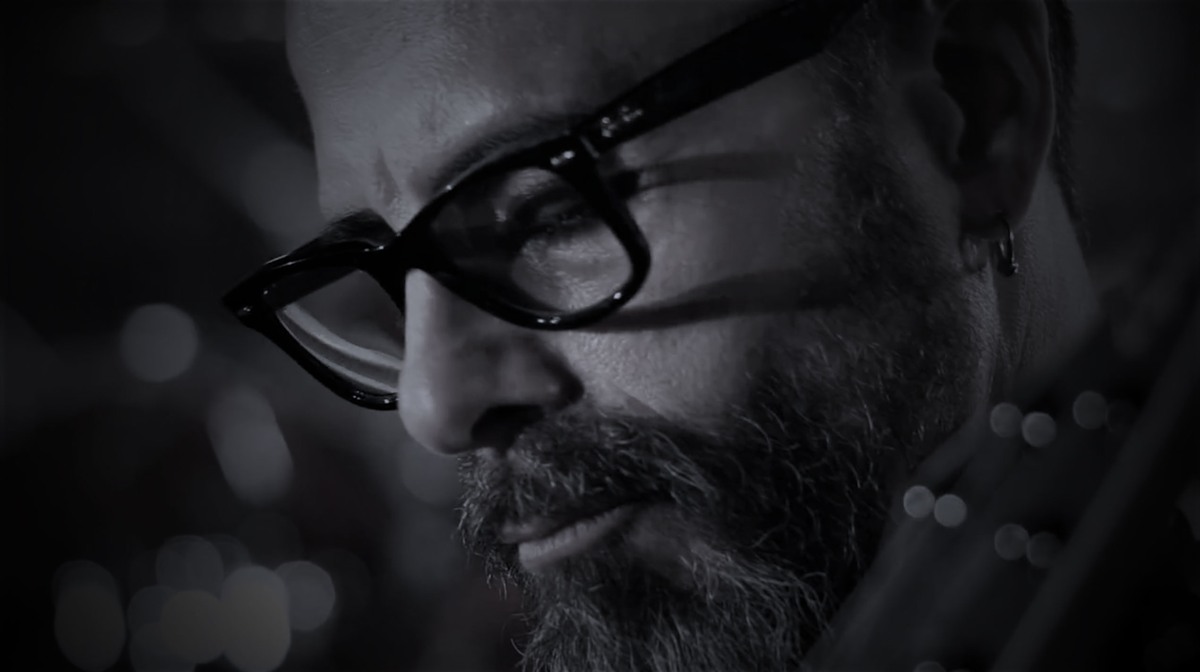
The fast, tightly coordinated guitar playing that helped establish Anthrax in the ’80s was one kind of precision work. After leaving the band in 1995, Dan Spitz pursued another: watchmaking. He studied at the Bulova school and continued his training at WOSTEP in Switzerland, developing a specialty in complicated mechanical watches.
In a 2012 Hodinkee interview, Spitz described taking that training seriously enough to immerse himself in the workshop. His second profession involved understanding and working on mechanisms, rather than simply lending a famous name to a watch brand. He even designed a watchmaker’s bench around the practical demands of the job.
That makes this a particularly satisfying career detour. A guitarist associated with enormous amplifiers found another outlet in work small enough to require close inspection. The connection is not a costume or a publicity exercise. It is the discipline of learning an exacting craft.
02Glenn Medeiros: From Pop Ballads to School President
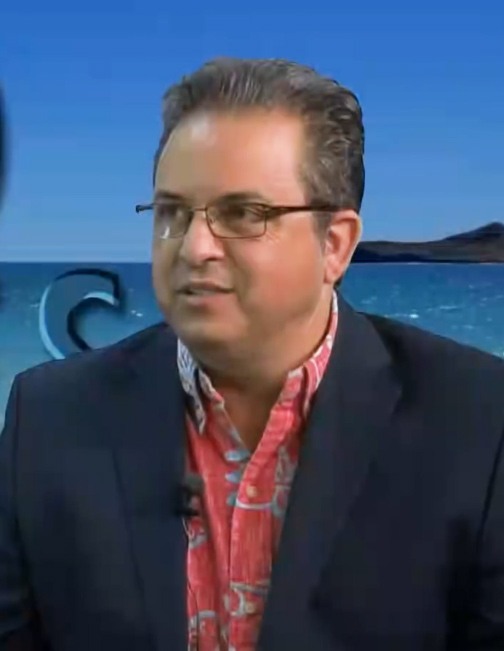
Listeners who remember Glenn Medeiros through “Nothing’s Gonna Change My Love for You” may need a moment to place him at a school drop-off line. His path into education was substantial. He earned his teaching credential, worked in classrooms, moved into school administration, and completed a doctorate in educational leadership.
A USC profile published in October 2026 identifies him as president of Saint Louis School in Honolulu. His working day includes meetings, staff responsibilities, and welcoming families personally. It is an administrative job with an early start, rather than an honorary connection to a school.
Medeiros still sings at events on O‘ahu, according to that profile. The pop career and the education career have not become mutually exclusive. What changed is the center of the working week. A singer who once traveled internationally now has an important daily destination much closer to home.
03David Lovering: From Pixies Drummer to Performing Magician

After the Pixies split in 1993, drummer David Lovering developed a stage identity that did not require a drum kit. As the Scientific Phenomenalist, he combined magic with science-themed demonstrations. An interest in electronics and how things worked became part of the act.
The shift makes sense once you think about the two performances. A drummer helps control an audience’s sense of timing. A magician does something similar, directing attention toward one moment while preparing another. The tools changed, but the need to hold a room remained.
Lovering later returned to the Pixies when the band reunited. His magic work belongs alongside that musical identity, rather than serving as evidence that he vanished permanently. It is a second act with a particularly good reveal: the person behind the drums also knows how to make the audience look somewhere else.
04Andy Cato: From Groove Armada to Regenerative Farming

Groove Armada’s Andy Cato built a reputation in electronic music. He also built a working life around fields and food. He is a co-founder of Wildfarmed, the farming and food business established in 2018 to bring regenerative agriculture into a wider supply chain.
The company’s account of its founders identifies Cato as a mixed arable farmer as well as a musician. The business connects farming with flour and food production, making this a more involved commitment than a celebrity putting a label on an existing product.
The contrast is the appeal. Dance records are made to travel quickly between clubs, radio, and headphones. Farming demands attention to soil, growing seasons, and what happens next year. Cato’s career has room for both kinds of work, with the farm adding a very different rhythm to the one listeners know.
05Brian Cox: From D:Ream’s Keyboards to Particle Physics

Brian Cox is now more widely recognized explaining the universe than playing keyboards. Before that television identity became familiar, he was a member of ’90s pop group D:Ream. The music and the physics overlapped: the University of Manchester describes him playing with the group while studying for his doctorate.
Manchester’s academic staff directory lists him as Professor of Particle Physics and Royal Society Professor for Public Engagement in Science. His later public profile grew around making difficult scientific ideas accessible through broadcasting and live presentations.
The story is more interesting than a musician abruptly deciding to become a scientist. Cox was already doing the academic work while pop music occupied another part of his life. For some readers, the surprise will be that a scientist had a pop career. For others, it will be where the keyboard player went next.
06Alex James: From Blur’s Bass Lines to Blue Cheese

Alex James found a second audience beyond the people listening to Blur. His name also appears on cheese. Blue Monday, the blue cheese associated with the bassist, was created in collaboration with cheesemaker Judy Bell, according to specialist retailer The Cheese Society.
James’s own website lists Blue Monday among the products available under his name. The collaboration matters. This was not a claim that playing bass automatically qualified him to run every part of a dairy. His food career brought him into a different craft and into partnerships with people who knew it.
For anyone who filed James away as the bassist from the Britpop years, the food counter offers a different introduction. It is an unusually tangible second act. You can hear the records, and you can put the other product on a plate.
07Terry Chimes: From the Clash to a Chiropractic Practice
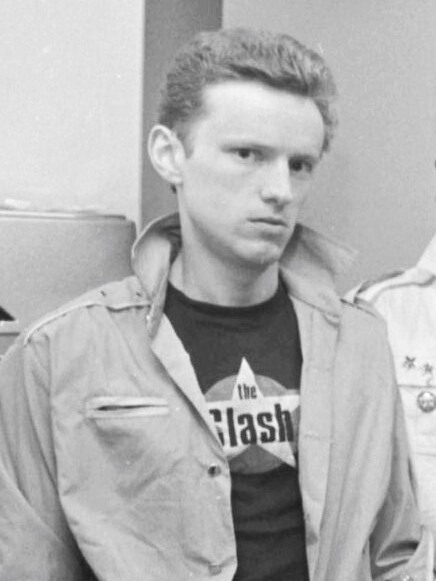
Terry Chimes was the Clash’s original drummer. His later professional identity is a long way from that early punk role: he trained as a chiropractor and established Chimes Chiropractic in Essex. The clinic’s own biography describes that move from music into a patient-facing profession.
The change required another course of study and a different set of working responsibilities. A practice involves appointments, assessments, and individual clients, making it a substantial departure from the shared schedule of a touring band.
His clinic’s biography lists further professional study and training, describing a working life built around a new field. Fans who recognize him from the Clash’s early years are encountering someone who went on to establish a very different professional identity.
08Montell Jordan: From R&B Hitmaker to Church Co-Pastor
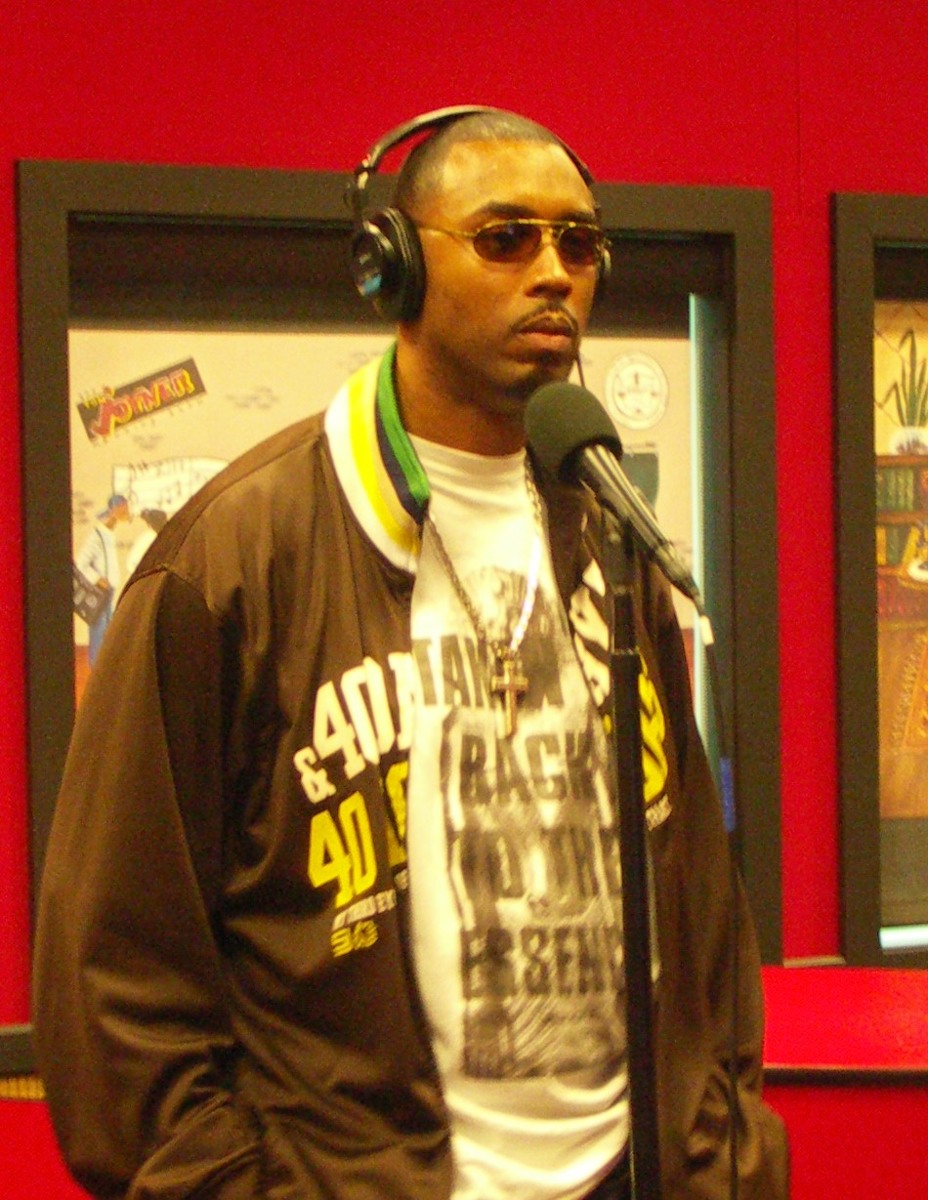
“This Is How We Do It” made Montell Jordan a familiar voice in the ’90s. His later work took him into ministry. The biography on Master Peace Church’s website describes him stepping away from the music business in 2011 to work in ministry full time.
The church identifies Montell and Kristin Jordan as its founding and lead pastors in Dacula, Georgia. Its model includes a house church and online services, putting broadcasting technology to a use different from promoting a new single.
Jordan’s public identity still includes his musical history, but the church is more than an occasional appearance attached to that history. Its staff page describes an ongoing leadership role. The unexpected part is the change in purpose: a performer known through a widely played record built another public-facing vocation around leading a congregation.
09Dave Rowntree: From Blur’s Drum Kit to Legal Training
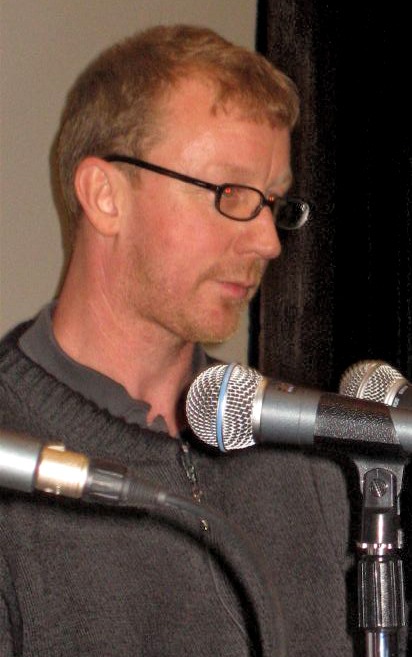
Blur drummer Dave Rowntree did not enter law before becoming a musician. The legal career came later. In a 2013 Law Society Gazette interview, he explained the transition and described completing a training contract at Kingsley Napley. He had qualified as a solicitor the previous year.
The demanding part was not simply swapping one professional title for another. Rowntree described the graduate diploma in law as the hardest stage of his transition. The training represented a genuine new qualification earned after he had already established himself in a successful band.
His account also connects the move with an existing interest in computers and technical evidence. The law qualification added another demanding profession to a working life already shaped by Blur. Onstage, fans knew him as the drummer. At Kingsley Napley, he had to complete the training expected of a new solicitor.
10Greg Graffin: From Bad Religion to Zoology and University Teaching

Greg Graffin’s academic work developed alongside Bad Religion rather than replacing the band. The singer earned a doctorate in zoology at Cornell and went on to lecture at both Cornell and UCLA. His studies and teaching gave him another substantial identity beyond the microphone.
Cornell lists Graffin as an A.D. White Professor-at-Large for a term running from 2026 to 2032. That appointment adds another distinction to a career across music, science, teaching, and writing. His academic work has accompanied his music for decades.
The contrast is less about a dramatic overnight reinvention than sustained effort in two demanding fields. Graffin kept making time for academic work while writing, recording, and touring. The university credentials are part of the story, rather than an honorary title added to a musician’s name.
11Bruce Dickinson: From Iron Maiden’s Microphone to the Cockpit

Bruce Dickinson’s aviation work went well beyond being a musician with an interest in aircraft. The Iron Maiden singer worked as a commercial pilot for Astraeus, the airline that later ceased operations. His flying career developed alongside the band rather than replacing it.
Iron Maiden also put that qualification to practical use on past tours. The band’s own announcements documented Dickinson’s role in piloting its charter aircraft, including preparations to captain a Boeing 747 for the 2016 world tour. His aviation work brought professional training into the logistics of moving a band, crew, and equipment.
The airline work is an earlier chapter in the life of Iron Maiden’s continuing frontman. It adds a particularly practical answer to the question of what a musician does beyond the stage: Dickinson could help take the whole touring operation to its next destination.
12Dexter Holland: From the Offspring to Molecular Biology and Hot Sauce
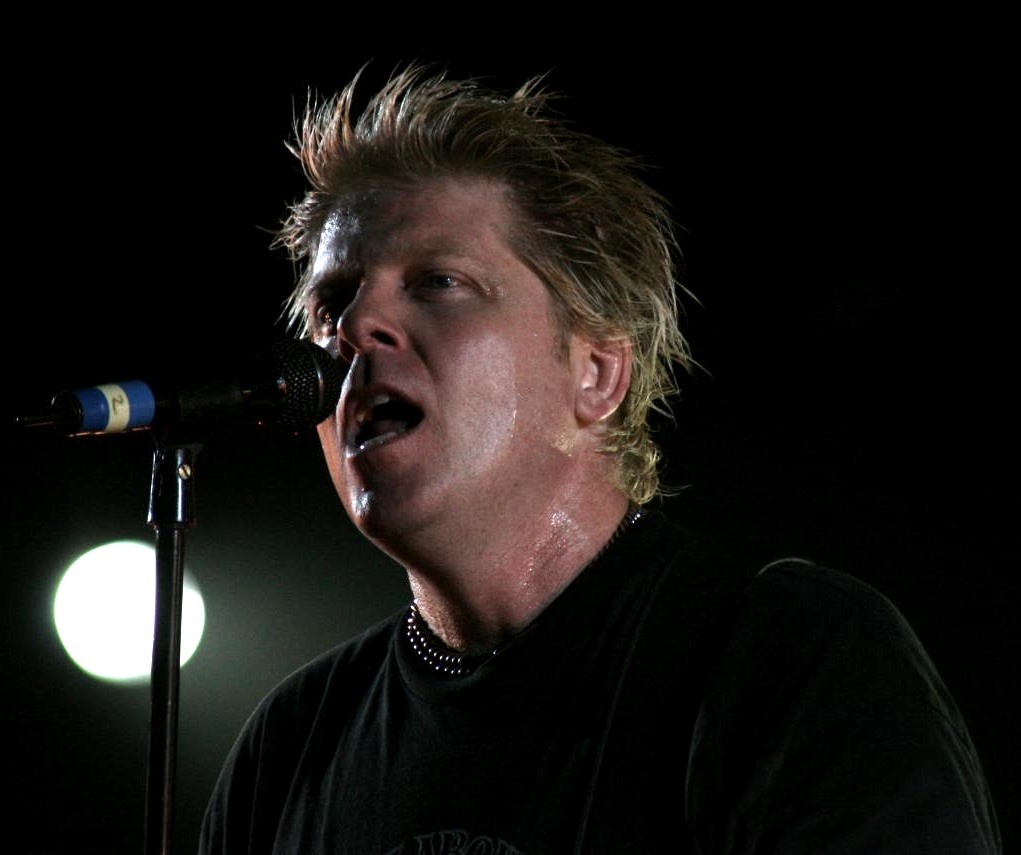
The Offspring’s Dexter Holland offers more than one answer to the question of what a musician might do beyond the band. He completed a doctorate in molecular biology at USC, adding it to earlier degrees from the university. A December 2024 USC profile identifies him as the group’s frontman and songwriter as well as a PhD graduate.
The academic achievement did not require a permanent farewell to the Offspring. It grew alongside his musical work, making Holland another example of a performer whose life was bigger than the public schedule of records and tours.
Then there is the hot-sauce business. USC’s profile also documents that venture, along with his interest in collecting postage stamps from the Isle of Man. A band, a doctorate, a food brand, and a stamp collection make an unusually varied combination. The familiar voice was never the whole job description.