
Madonna didn’t just survive MTV’s refusal to air her video. She turned it into a national television event. A year earlier, N.W.A had provoked a letter from the FBI to their distributor. Through the ’80s and ’90s, some of music’s fiercest battles had nothing to do with the Billboard charts. They were fought in record stores, police stations, and courtrooms by artists who refused to back down.
Think back to December 1990. MTV had rejected Madonna’s “Justify My Love” video over its adult imagery. On December 3, ABC’s Nightline played the entire uncensored clip and interviewed her about the controversy. Madonna challenged television’s different standards for physical aggression and adult expression. The video that music television wouldn’t touch had become national news.
That is one way to win a censorship fight. Other artists faced consequences that a television appearance couldn’t undo.
Throughout the ’80s and ’90s, campaigners, broadcasters, retailers, and public officials fought over adult themes, strong language, religious imagery, and lyrics criticizing police conduct. The pressure came in different forms, and the people applying it had very different powers. The Parents Music Resource Center, co-founded by Tipper Gore, pushed for warning labels. It couldn’t ban records itself, but retailers could refuse to stock them, and broadcasters could keep them off the air.
In Florida, the fight reached the record-store counter. After a federal judge ruled 2 Live Crew’s album obscene in 1990, a store owner was arrested for selling it. An appeals court overturned that judgment in 1992. Disliking a record had become a reason to threaten someone’s freedom.
0101 Prince: “Darling Nikki”
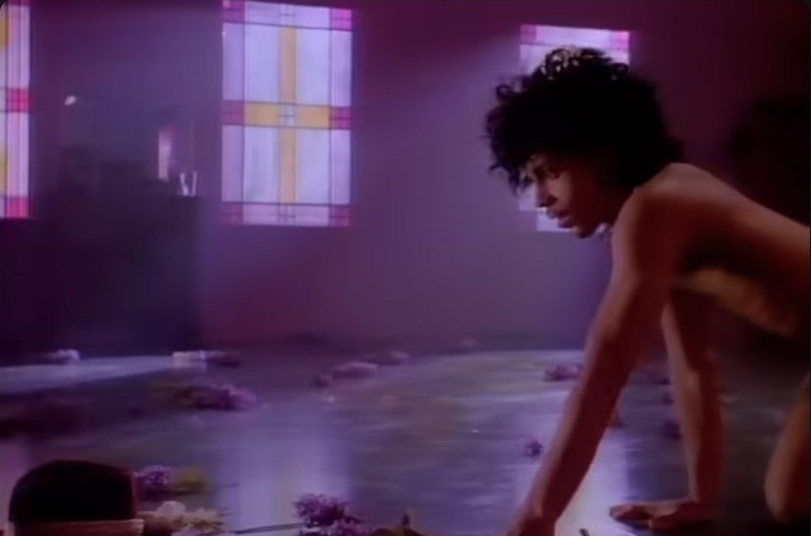
Tipper Gore’s account of hearing Prince’s Purple Rain places “Darling Nikki” and its frank adult references near the start of her campaign. Her reaction helped spark the push for warning labels on records. A song had become the focus of a national argument.
There is nothing coy about Nikki’s introduction. Prince’s 1984 track describes an intimate encounter, then plunges into a distorted, increasingly feverish performance. It sounds abrasive beside the album’s more inviting pop songs, which makes the encounter feel stranger still.
In 1985, Gore co-founded the Parents Music Resource Center. The group put “Darling Nikki” on its “Filthy Fifteen” list, and the argument over record labeling reached a Senate hearing that September. Gore didn’t invent music censorship. But her encounter with this song helped turn parental alarm into an organized Washington campaign.
0202 N.W.A: The Song That Drew an FBI Letter
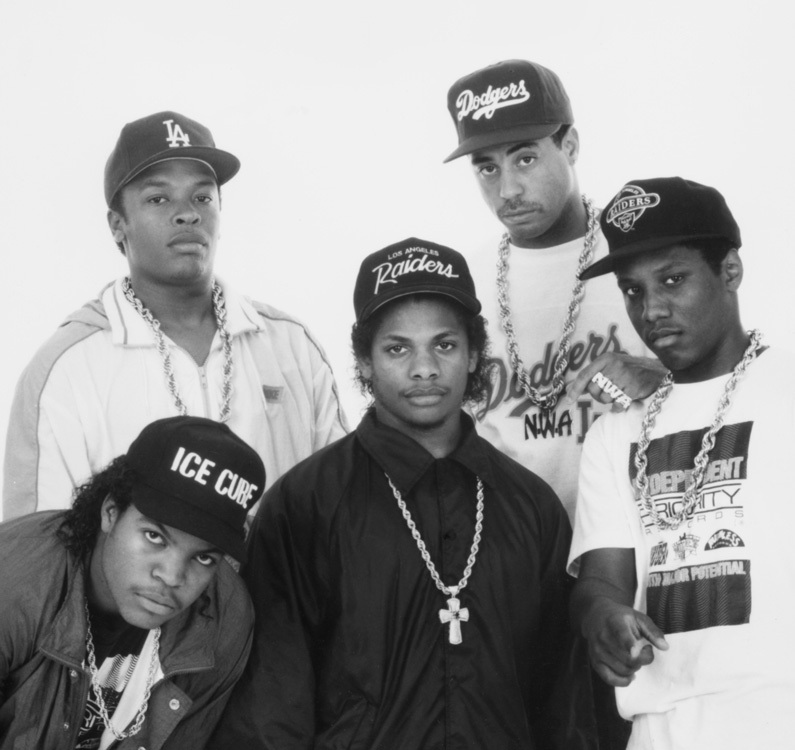
N.W.A turned the courtroom around. On this 1988 track, the officers are on trial and the young Black men usually treated as suspects deliver the testimony. Dr. Dre’s production gives the accusation a hard funk pulse. Ice Cube, MC Ren, and Eazy-E supply sharply different voices inside the same furious premise.
On August 1, 1989, the FBI sent distributor Priority Records a letter objecting to the song's treatment of law enforcement. It wasn't a court order or a federal ban. It was a federal agency weighing in on a record attacking police conduct, lending official weight to the pressure around the group. The distinction matters without making the letter harmless: the institution being criticized had effectively joined the argument.
0303 Frankie Goes to Hollywood: “Relax”
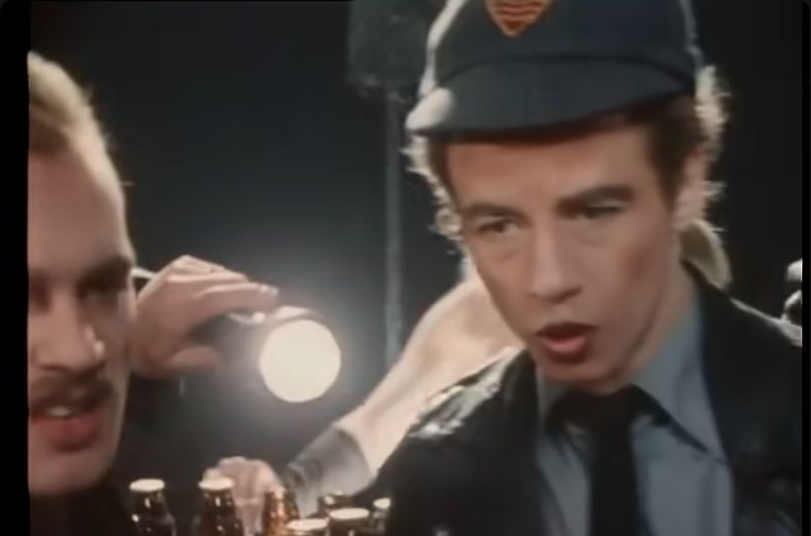
“Relax” had already been released in 1983 when its British breakthrough turned into a broadcasting problem. In January 1984, Radio 1’s Mike Read objected to the single’s adult themes, and BBC restrictions kept it off daytime Radio 1 and Top of the Pops.
Trevor Horn's production was hardly built to disappear quietly. The bass line presses forward, the percussion keeps accumulating, and Holly Johnson makes the command sound less soothing with every repetition. The single reached No. 1 in Britain during the controversy. A broadcaster had tried to contain a song whose entire design was to keep building pressure.
0404 Garth Brooks: “The Thunder Rolls”
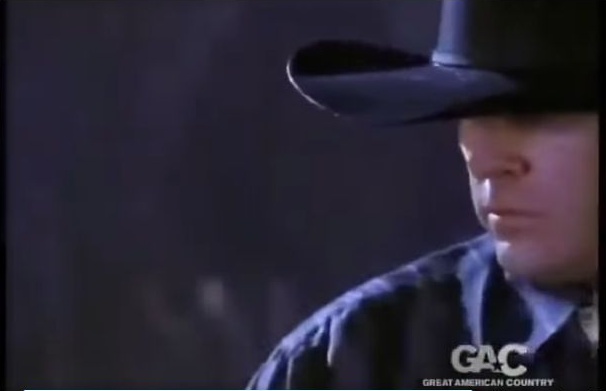
The song begins with a husband coming home late and a wife who knows something is wrong. On No Fences in 1990, Brooks makes the approaching confrontation sound as inevitable as the storm outside. The 1991 video takes the story into domestic abuse and a wife’s response, making visible what a country ballad might otherwise leave to the imagination.
The Nashville Network and Country Music Television refused to show the clip. This was a dispute over the video, not a nationwide ban on the recording. That difference exposes the uncomfortable part: a hit could describe a household falling apart, but putting the abuse on screen crossed the channels' boundary. Country's biggest rising star had brought a story into the living room that its television outlets didn't want to show.
0505 George Michael: “I Want Your Sex”
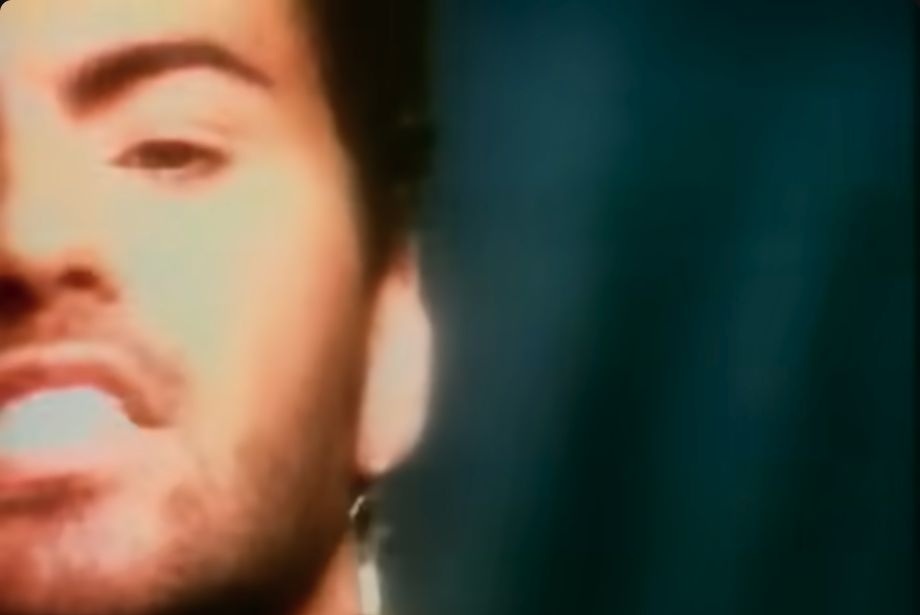
George Michael didn't leave radio programmers much room to pretend they had misheard the title. His 1987 single pairs an insistent electronic groove with a direct statement of desire, arriving as he was establishing an adult identity beyond his Wham! years.
The BBC restricted it to late hours, and some American stations refused it. Michael maintained that the song concerned commitment rather than casual encounters. The video reinforced that position with a message promoting monogamy. That explanation didn’t make the central word disappear. The dispute caught a pop star trying to talk openly about intimacy during the AIDS crisis while broadcasters worried about what their audiences would hear in the invitation.
0606 Cyndi Lauper: “She Bop”
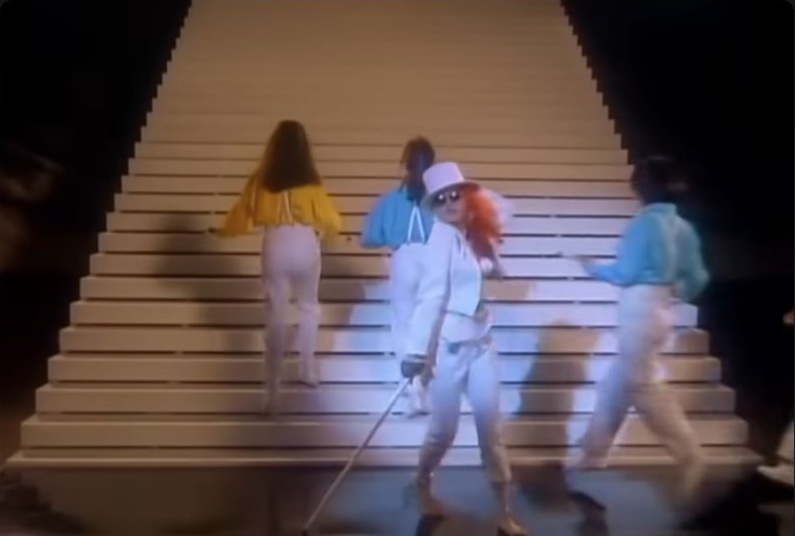
The beat is buoyant, the vocal playful, and the subject much less innocent than a casual singalong might suggest. Released on She’s So Unusual in 1983 and as a single in 1984, “She Bop” turns self-pleasure into a joke you can dance to. Lauper later explained the Catholic guilt and cautionary myths behind it.
The PMRC put it on its 1985 list. Its inclusion showed how far the campaign extended beyond explicit language: innuendo counted too. Lauper had written a song with enough ambiguity to travel through mainstream pop, then found that decoding the joke could become grounds for demanding a warning. The cheerfulness was part of what made it effective.
0707 Nine Inch Nails: “Closer”
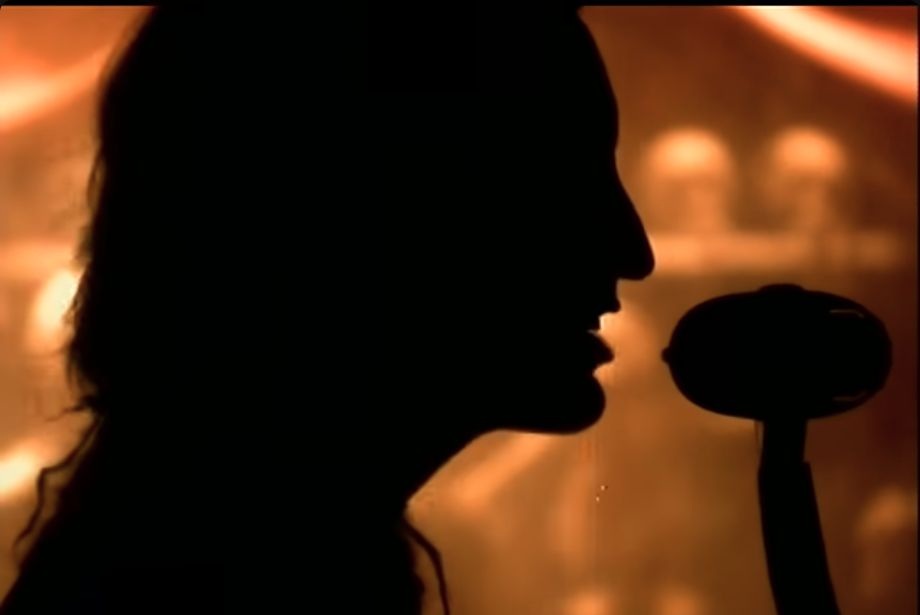
The most notorious line in “Closer” is easy to bleep. The rest of the song is harder to clean up. On the 1994 recording, Trent Reznor turns a tightly controlled electronic groove into a confession of need and self-disgust. Removing the profanity doesn’t make the relationship sound healthy.
Mark Romanek’s video brought its own problems, filling the frame with unsettling imagery, religious symbols, and the atmosphere of an antique laboratory. The MTV version replaced objectionable shots with “scene missing” cards. Those interruptions became part of the video’s familiar appearance, making the censorship visible instead of smoothing it away. Even the gaps looked unsettling.
0808 Olivia Newton-John: “Physical”
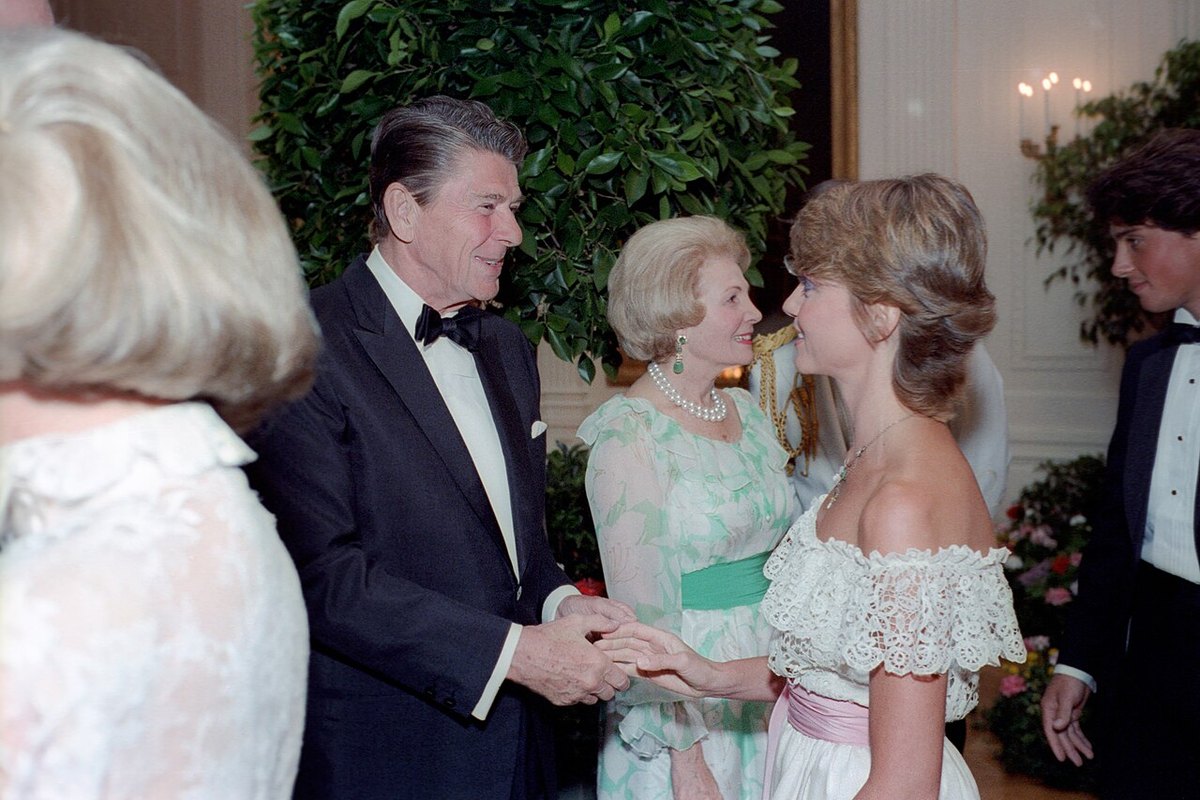
The exercise-video setting gave “Physical” a useful cover story. The 1981 song itself wasn't particularly interested in aerobics: Newton-John had exhausted conversation and wanted a more direct form of contact. Her clean-cut reputation made that turn more conspicuous.
Stations in Utah objected to the suggestive lyrics, with UPI reporting refusals in Salt Lake City and Provo. These were local programming decisions, not a statewide law or an American broadcast ban. Still, the fuss is revealing. A glossy pop song could be treated as unsuitable without a swear word in sight, simply because a woman sounded clear about what she wanted.
0909 Body Count: The Track Ice-T Withdrew
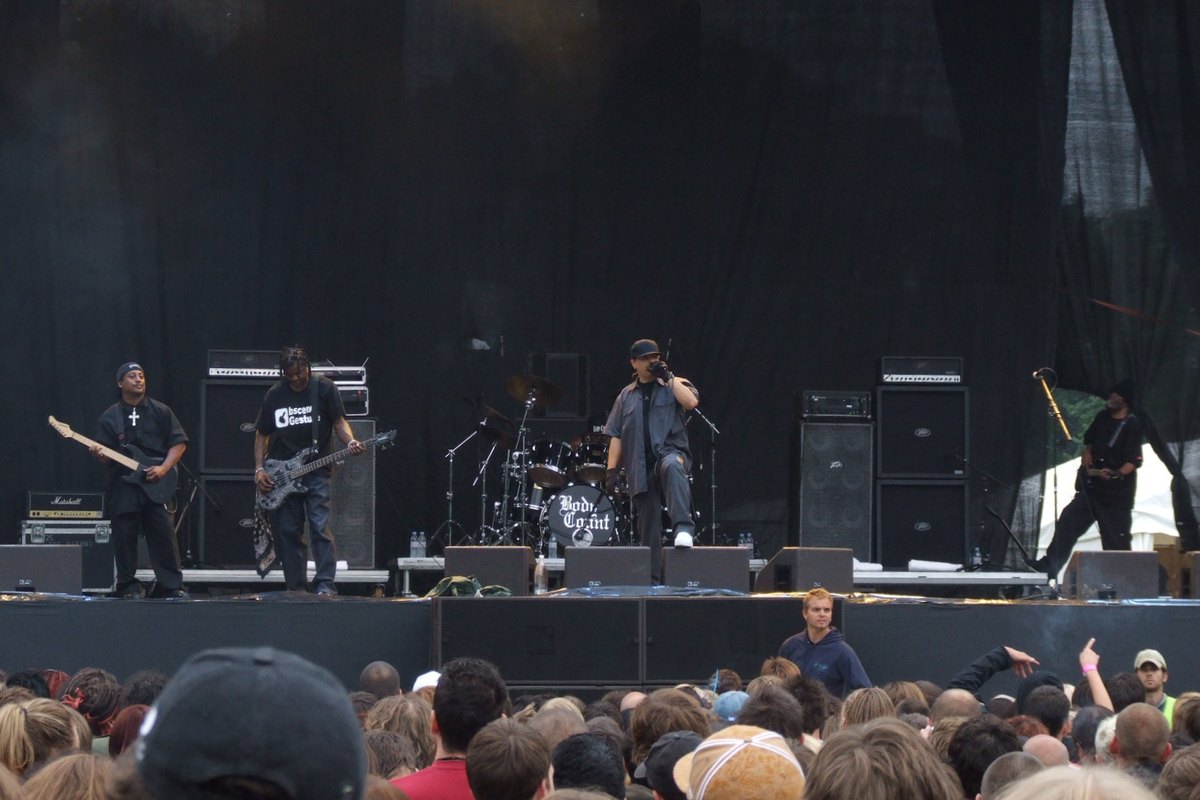
Ice-T’s most explosive censorship fight came with a metal band. Released on Body Count’s 1992 debut, the disputed track channels anger at police brutality into a first-person revenge fantasy, driven by distorted guitars and a shouted refrain. Police organizations and political figures condemned its portrayal of retaliation against officers.
After months of pressure, Ice-T announced that he would remove the track from the album. He also described threats against people at the record companies distributing it. This wasn’t a judge ordering a song erased. It was an artist withdrawing one in a hostile campaign. The result was concrete all the same: later buyers could purchase the album without the song that had become its defining controversy.
1010 Sheena Easton: “Sugar Walls”
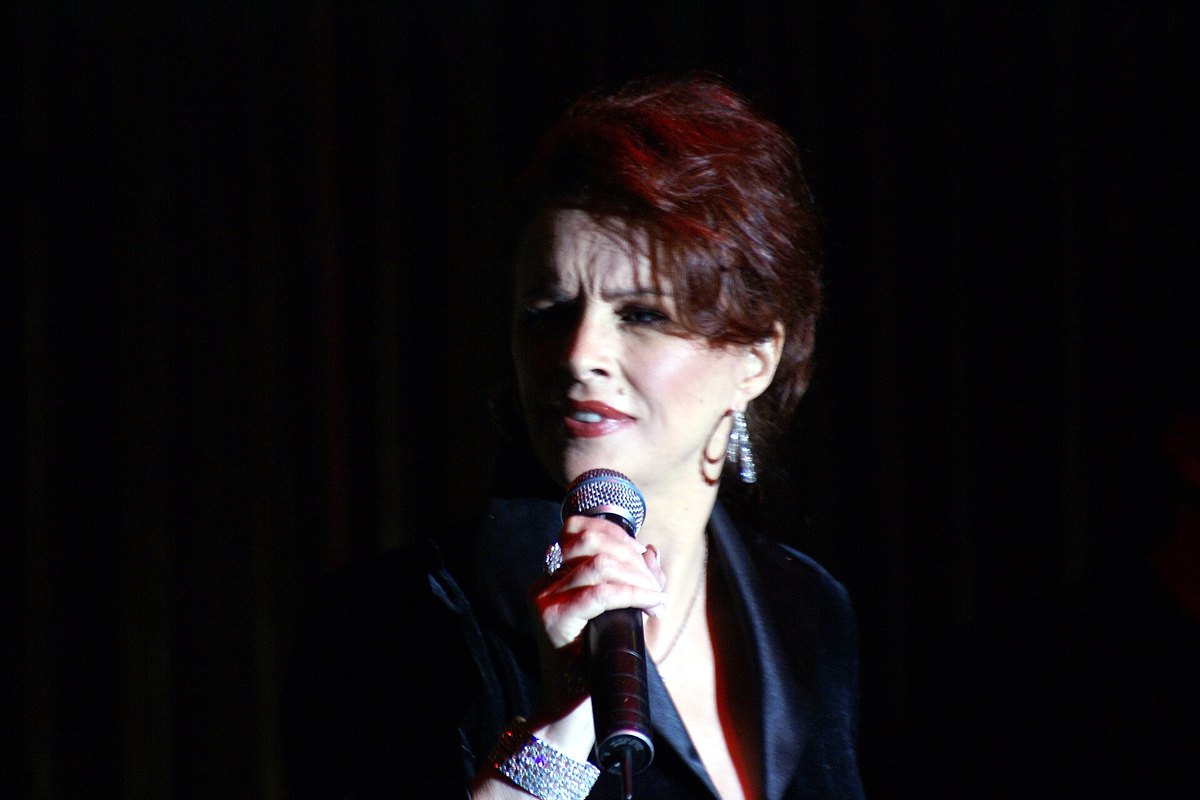
Prince wrote “Sugar Walls” under the name Alexander Nevermind, giving Sheena Easton a 1984 track whose polished surface barely conceals its adult imagery. The title offers a metaphor. The surrounding invitations make the intended territory difficult to miss.
The PMRC selected it as another example of objectionable adult content. Its place beside “Darling Nikki” is useful because the records take very different approaches. Prince’s own song confronts the listener with a direct scene. Easton’s wraps desire in sleek pop language. Both wound up in the same warning-label campaign. For the campaigners, dressing up the invitation didn’t make it less objectionable.
1111 Dead Kennedys: “Too Drunk…” (shortened title)
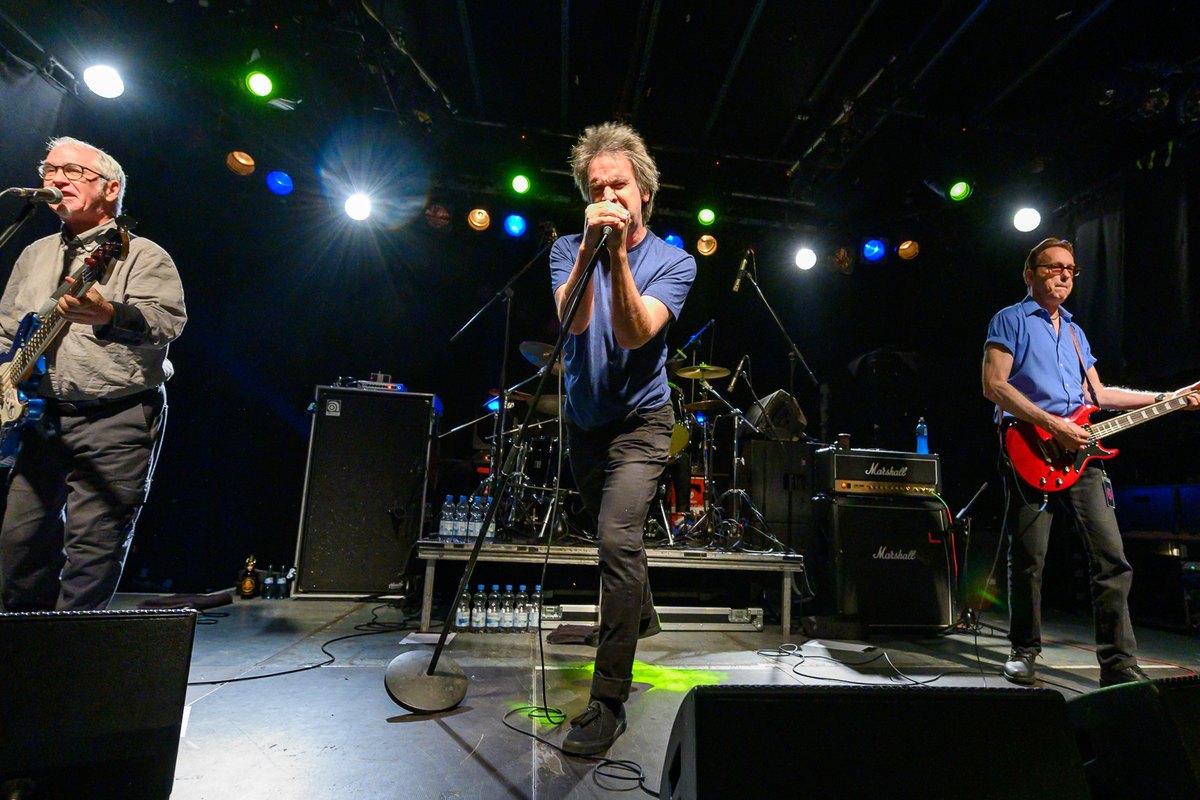
The title was already a broadcasting obstacle before Jello Biafra opened his mouth. Dead Kennedys’ 1981 single makes a fast, ugly joke out of a night of drinking and romantic failure, with a wiry guitar line and a narrator who gets less impressive as the evening progresses.
The BBC kept it off Radio 1, even as it reached the British Top 40. What’s striking is the gap between the title’s apparent promise and the song’s humiliating story. This isn’t a glamorous advertisement for excess. It’s a sneer at a man undone by his own behavior. Radio’s problem with the words also kept listeners from hearing how thoroughly the singer made his protagonist look ridiculous.
1212 Madonna: “Justify My Love”
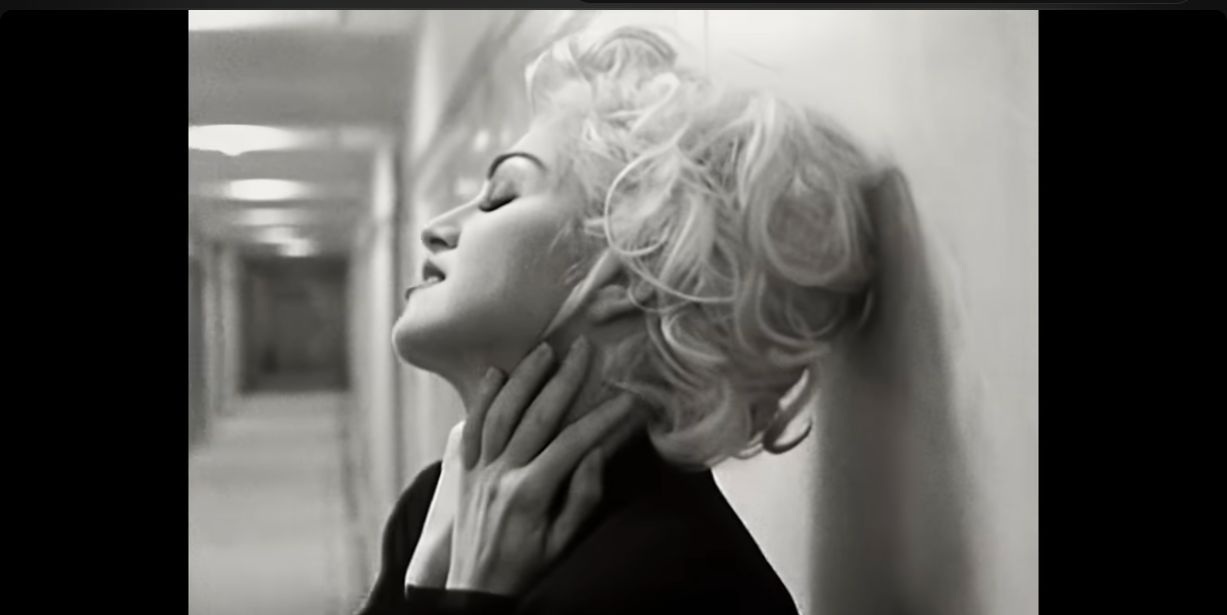
Madonna barely needs to sing on this 1990 single. She murmurs over a slow, spare beat, letting the spaces between the words do some of the work. Jean-Baptiste Mondino's black-and-white video gives that intimacy a setting: a Paris hotel populated by lovers whose desires don't fit a tidy heterosexual script.
MTV declined to air it. On December 3, Nightline broadcast it in full and interviewed Madonna about the dispute. She challenged television’s different standards for adult imagery and physical aggression. The clip also went on sale as a video single, offering a route around the channel that had rejected it. MTV could refuse the video. It couldn’t make the audience stop looking for it.
1313 Sir Mix-a-Lot: “Baby Got Back”
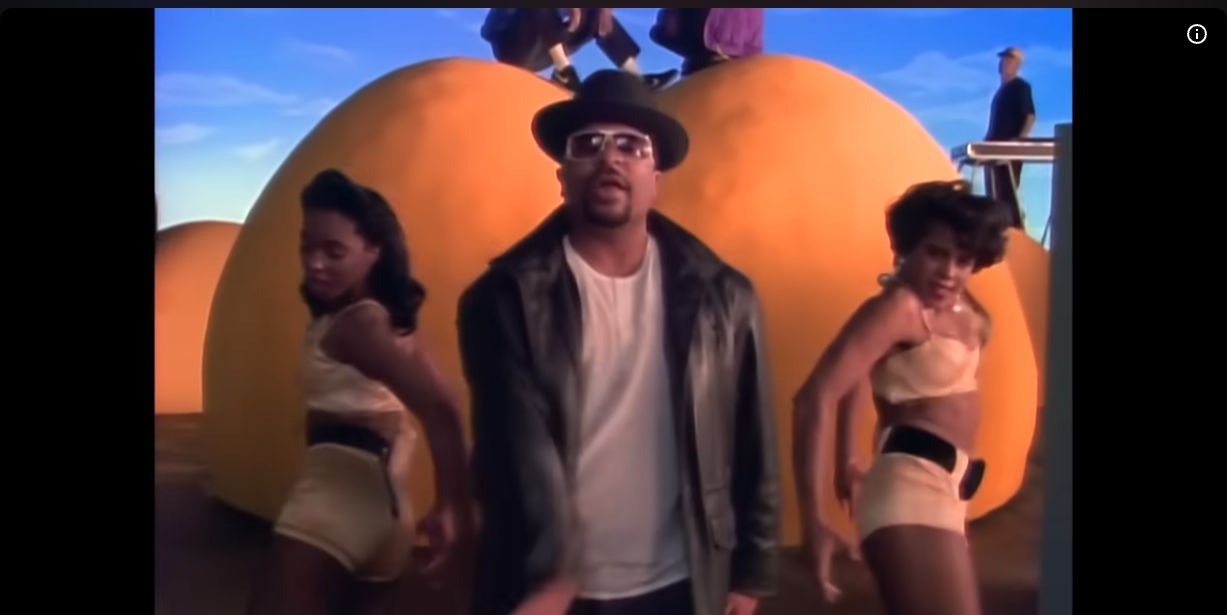
Sir Mix-a-Lot made a huge, comic spectacle out of a complaint about which women’s bodies popular culture considered desirable. “Baby Got Back” became a 1992 hit with a spring-loaded beat, an instantly recognizable spoken opening, and a video whose exaggerated scenery was hardly designed for subtlety.
MTV restricted the clip to late-night play. Mix-a-Lot has described the song as a response to the narrow beauty standards he saw on television, particularly their exclusion of curvier Black women. That doesn’t erase its objectification, but it gives the dispute more substance than a simple argument over suggestiveness. A song about bodies left out of the picture was itself being pushed out of daytime viewing.
1414 Judas Priest: “Eat Me Alive”
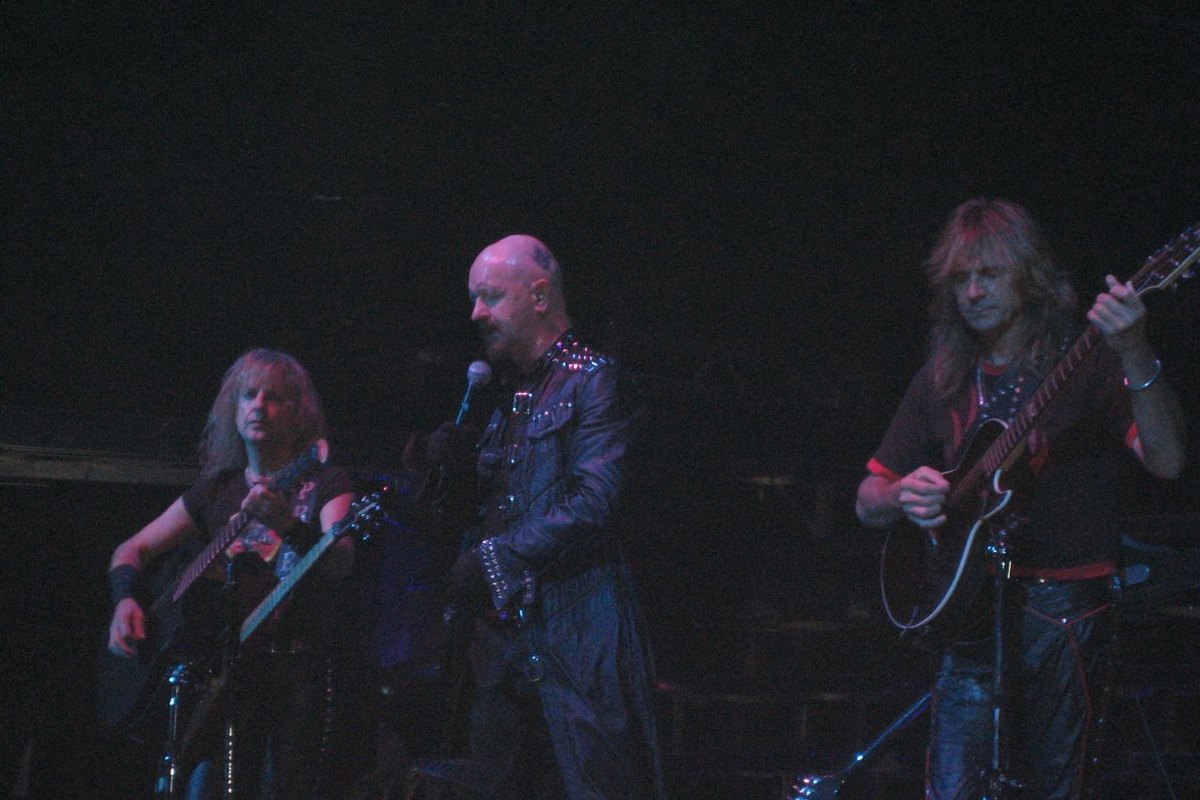
Judas Priest’s 1984 track arrives at speed: guitars grind, Rob Halford pushes his voice into a shriek, and desire takes on the language of physical danger. The PMRC read it as a depiction of coercion and intimidation and included it in the Filthy Fifteen.
Halford later explained a fantasy involving gay adult relationships that differed from the campaign’s interpretation. The threatening imagery is in the lyric. His account of the intended fantasy belongs in the story too. The fight exposes a problem that warning campaigns couldn’t settle with a category: who gets to define a song’s meaning when the performer and the people judging it are hearing different scenarios?
1515 Public Enemy: “By the Time I Get to Arizona”
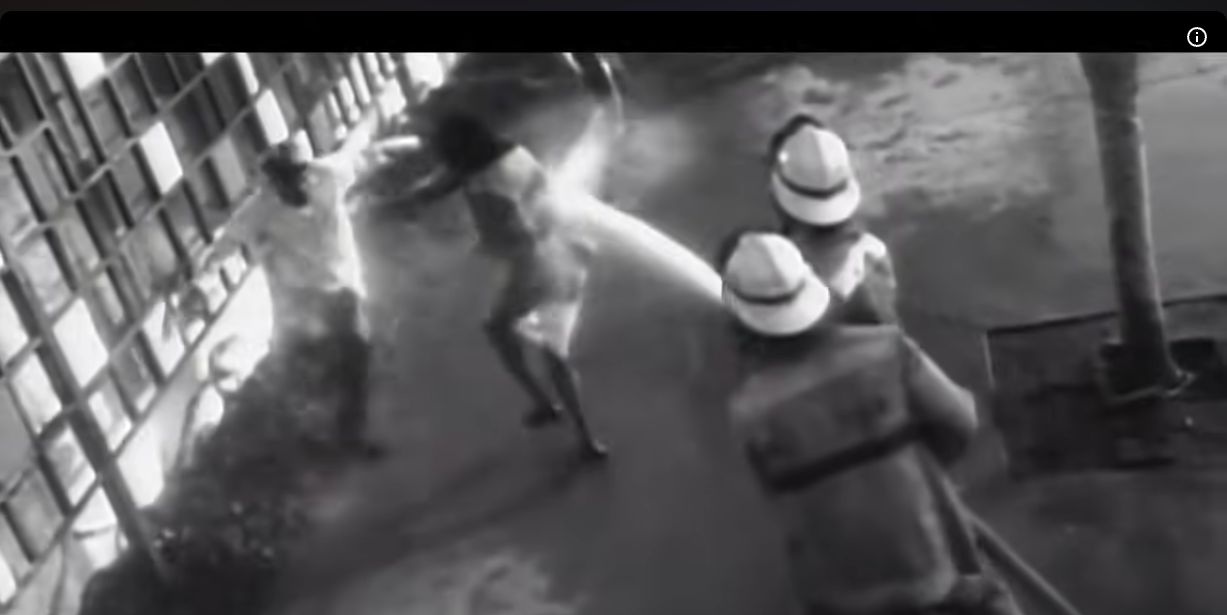
Public Enemy's 1991 track protested Arizona's refusal to recognize a state holiday honoring Martin Luther King Jr. The video escalated that protest into a revenge fantasy, mixing civil-rights history with staged attacks on state officials.
The clip’s January 1992 MTV debut generated immediate controversy. Chuck D later recalled that it was shown only once. The staged retaliation also drew criticism from people committed to King’s nonviolent legacy. That makes this a harder case than a clean division between radicals and prudes. The cause was a holiday for King, but the chosen images invited an argument about whether the video betrayed the very politics it was defending.
1616 W.A.S.P.: “Animal” (shortened title)
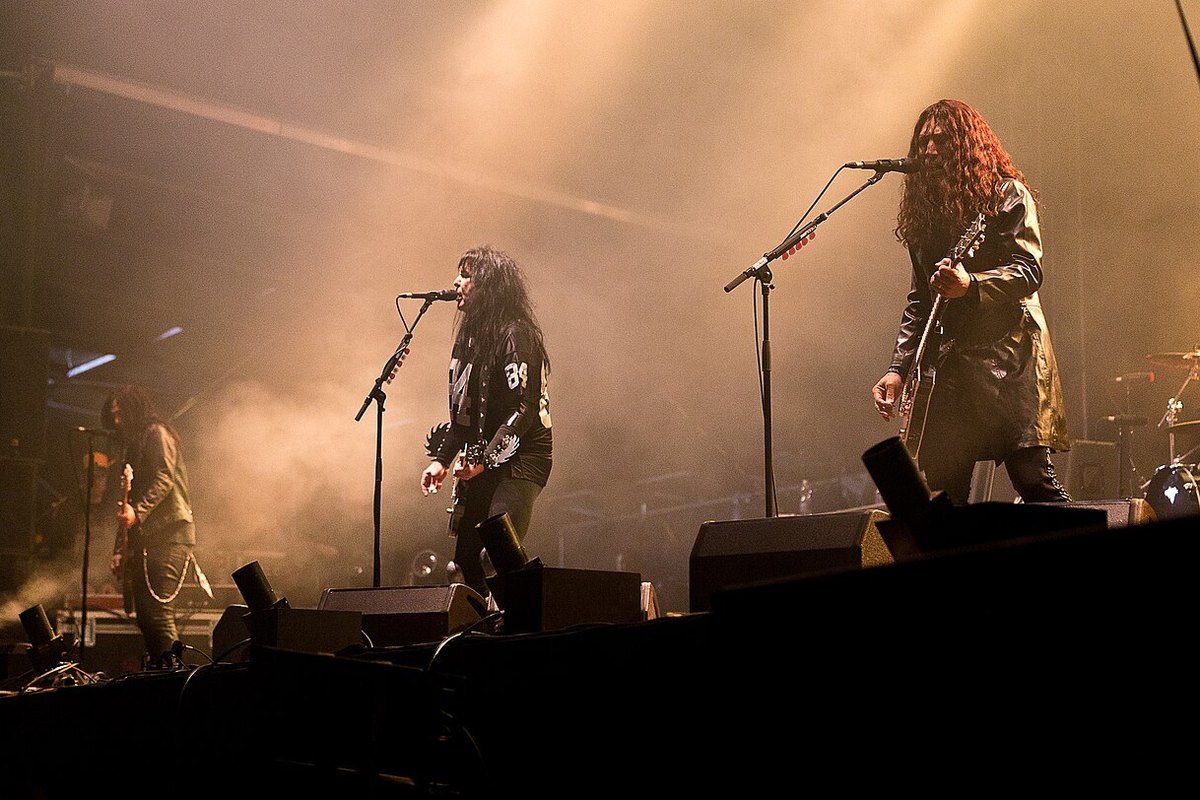
Some songs on the PMRC list required interpretation. This 1984 single made its intentions clear in its full title. Blackie Lawless delivered a blunt adult boast in a voice rough enough to make the words sound more confrontational still.
Its inclusion in the Filthy Fifteen brought it into the same campaign as records by Cyndi Lauper and Sheena Easton. The differences between them are the point. A warning system could group theatrical metal, playful innuendo, and polished pop under the heading of adult content while saying very little about their tone or intended audience. W.A.S.P. supplied the obvious provocation. Other artists demonstrated how broad the category could become.
1717 Pearl Jam: “Jeremy”
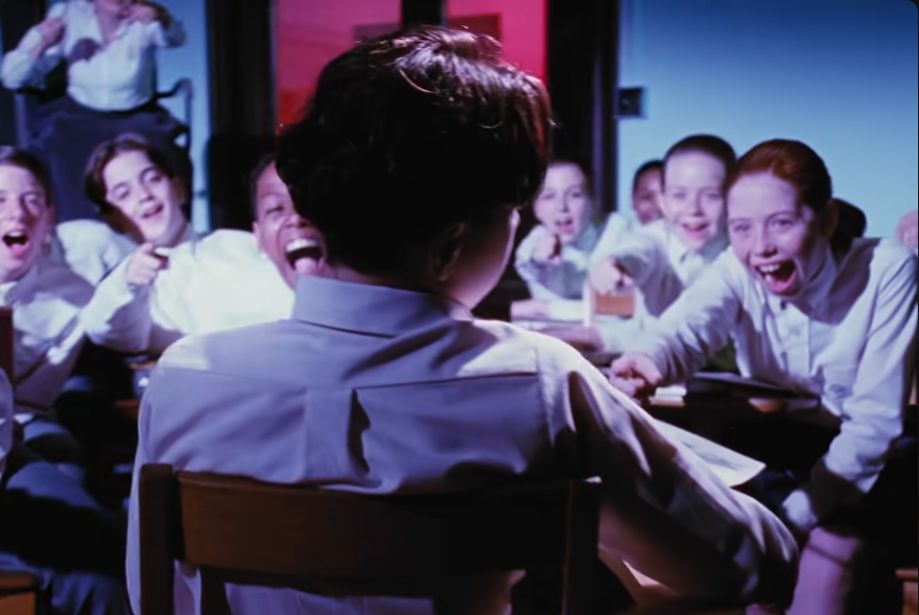
The crucial cut in the 1992 “Jeremy” video removed an image establishing the central character’s suicide. What remained showed his horrified classmates without that context. Some viewers consequently read the ending as an attack on the class. Removing the defining image had obscured the intended meaning.
That was a devastating change in meaning for a song first released on Ten in 1991, with Eddie Vedder building a story of isolation toward an unbearable public act. Director Mark Pellington later described the misunderstanding as a profound frustration. Pearl Jam released the uncensored version in 2020. Here, making an image less explicit had made the story less clear.
1818 The Prodigy: The Video Behind the Backlash
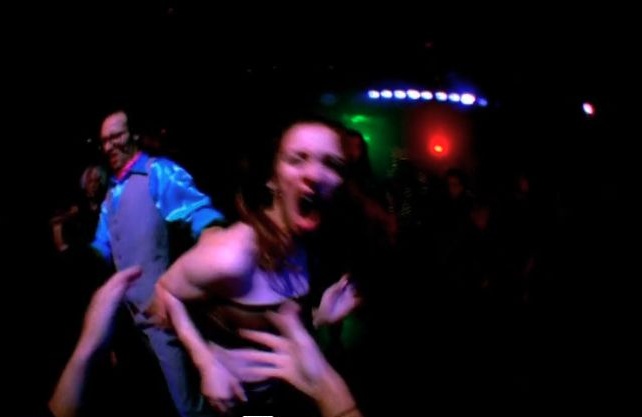
The Prodigy’s 1997 track barely needs a lyric sheet: its sampled refrain repeats over a punishing breakbeat, making the contested phrase impossible to treat as incidental. Critics heard misogyny and aggression toward women. The band maintained that the phrase meant doing something with extreme intensity.
Jonas Åkerlund’s first-person video added a night of adult excess before revealing that the person whose perspective we’d occupied was a woman. That twist complicated the viewing experience without settling the objections. MTV first put an edited version into late-night rotation, then pulled it. The argument wasn’t resolved by discovering that the video’s assumed male aggressor wasn’t male.
1919 Twisted Sister: “We’re Not Gonna Take It”
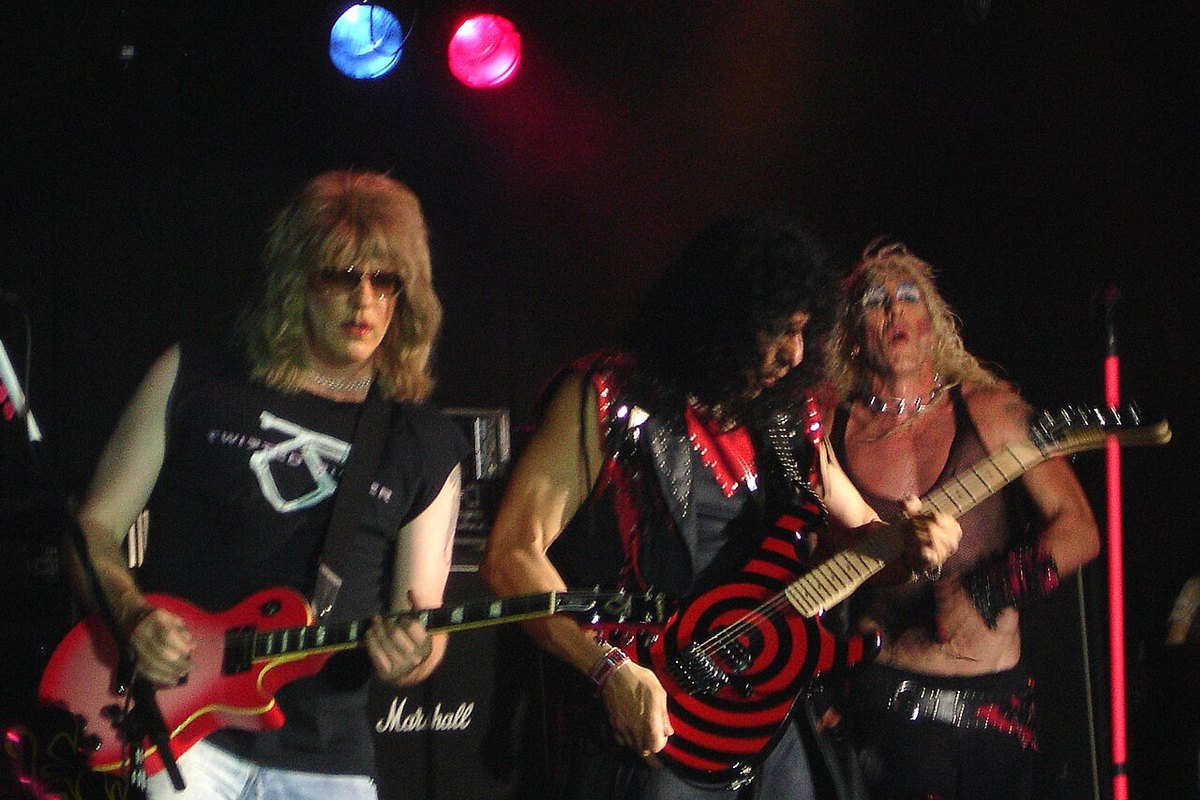
The 1984 song is practically engineered for a roomful of people to shout together. Its stomping rhythm and enormous chorus turn refusal into a group activity. The video stages that refusal as cartoonish family combat, with an overbearing father repeatedly taking the punishment.
The PMRC objected to perceived aggression in the song. At the September 1985 Senate hearing, Dee Snider challenged that reading, distinguishing the defiant lyric from the video’s slapstick. His appearance mattered because he could answer an accusation with the work itself. A band dressed to look outrageous had brought a fairly basic question to the hearing: were the people judging the song actually describing what it said?
2020 Soundgarden: “Jesus Christ Pose”
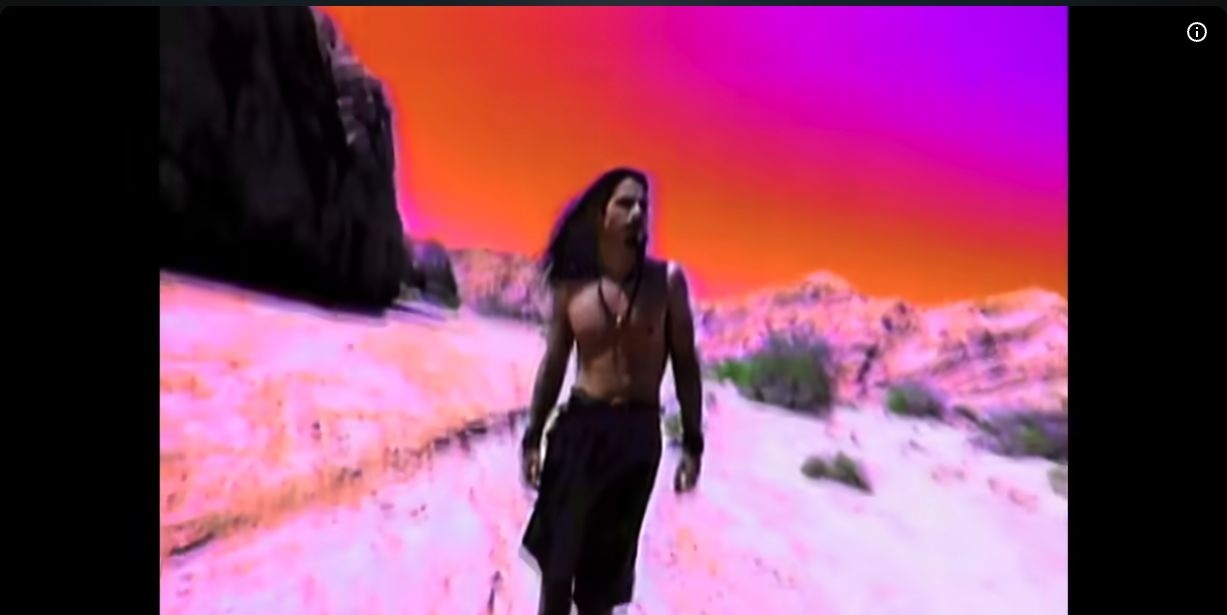
Soundgarden's 1991 single is physically exhausting in the best way: Matt Cameron's drums churn beneath a riff that seems to keep tightening, while Chris Cornell attacks the image of someone presenting themselves as a suffering savior. The title points toward religion, but Cornell explained the target as self-important public posturing.
MTV rejected the video, whose religious imagery made that distinction harder to sell on sight. The band’s use of religious symbols became the issue even as Cornell insisted that the song wasn’t a statement against Christianity. It’s a recurring hazard in these fights: the image that makes a song memorable can also become the thing people use to stop listening to its explanation.
2121 Madonna: “Erotica”
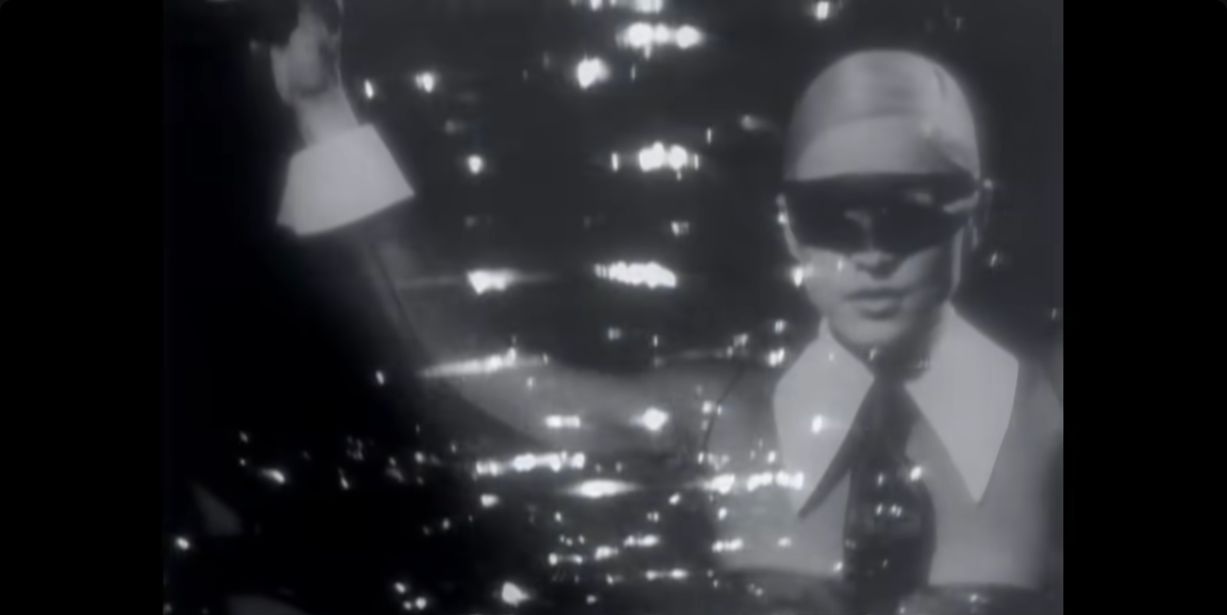
Two years after “Justify My Love,” Madonna was back with another test of music television’s boundaries. “Erotica” paired a low, spoken delivery with a heavy dance groove, while its 1992 video drew on the adult imagery surrounding her accompanying photography book.
MTV showed the full clip after midnight before sharply limiting its use. Contemporary Billboard reporting described just three full airings, followed by excerpts on The Grind. Calling it simply “banned” misses the way this restriction worked: the video briefly existed on the channel, but only in a narrow window, then in fragments. Madonna's return also showed that winning an audience didn't settle the next dispute. Each new release could reopen the negotiation.
2222 Nirvana: The Retail Version of In Utero
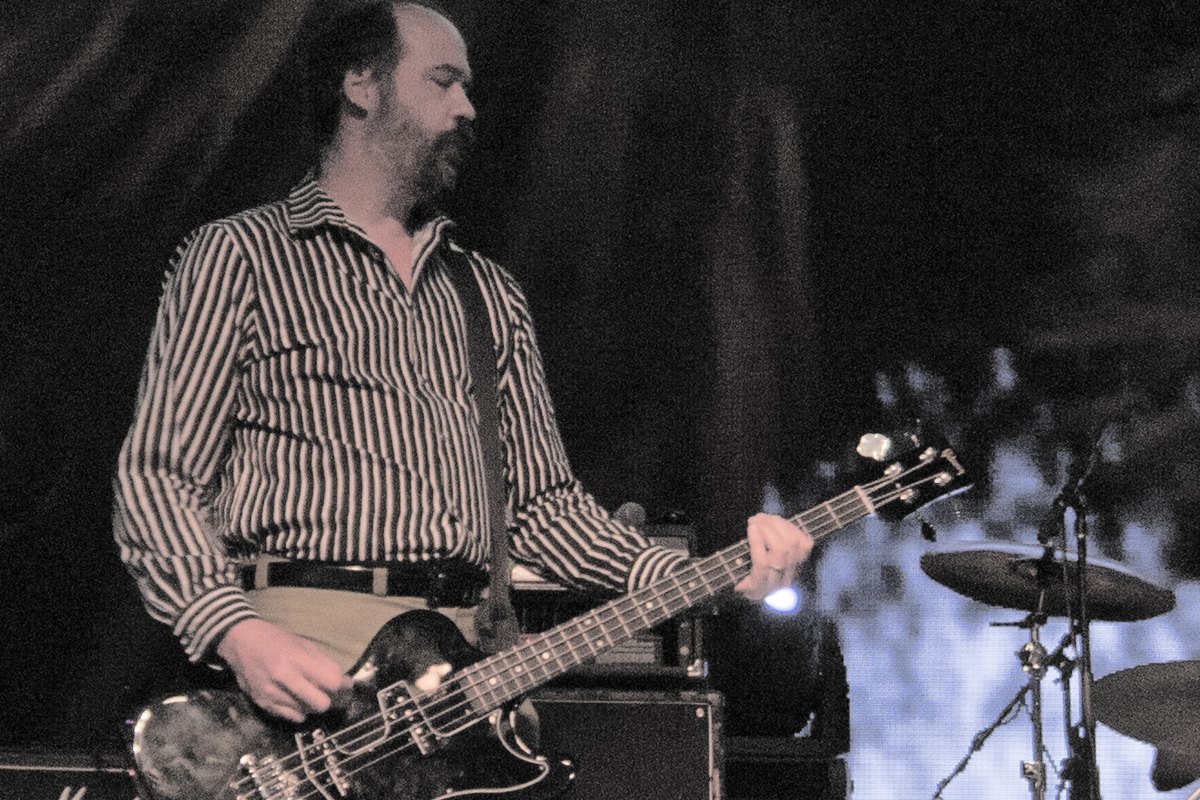
For some shoppers, a disputed song title on Nirvana’s In Utero became “Waif Me.” A revised version prepared for Wal-Mart and Kmart in 1994 changed the printed title and toned down the back-cover artwork. The recording itself retained the original words.
Kurt Cobain intended the song as a statement against sexual assault, delivered through a deliberately confrontational title and a blunt, repeating guitar figure. The retail compromise created an absurd split between package and performance: the phrase was too much to print, but it was still there when you pressed play. This is how censorship pressure can work without deleting a recording. It can change the terms on which the record reaches the shelf.
2323 Michael Jackson: “They Don’t Care About Us”
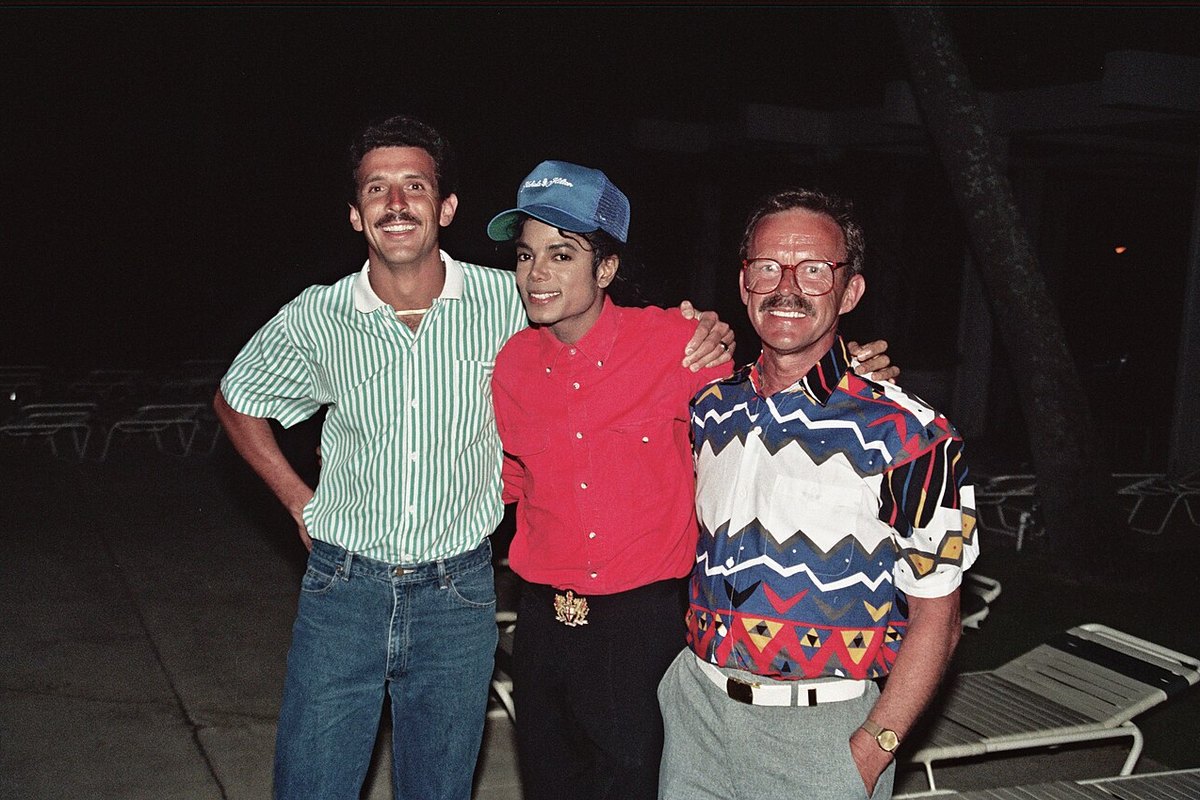
Michael Jackson's 1995 protest song aimed its anger at abuse, racism, and people in power. But its original lyric used antisemitic slurs, prompting objections that couldn't be dismissed as listeners simply disliking a confrontational pop star.
Jackson said he was speaking from the position of someone being attacked, apologized, and agreed to change the offending language on future copies. The controversy drew attention away from the song's marching rhythm and repeated accusation toward the harm in its own words. This case complicates any easy celebration of everything called censorship. Defending an artist's right to speak doesn't require treating every choice of language as beyond criticism.
2424 2 Live Crew: The Florida Court Case
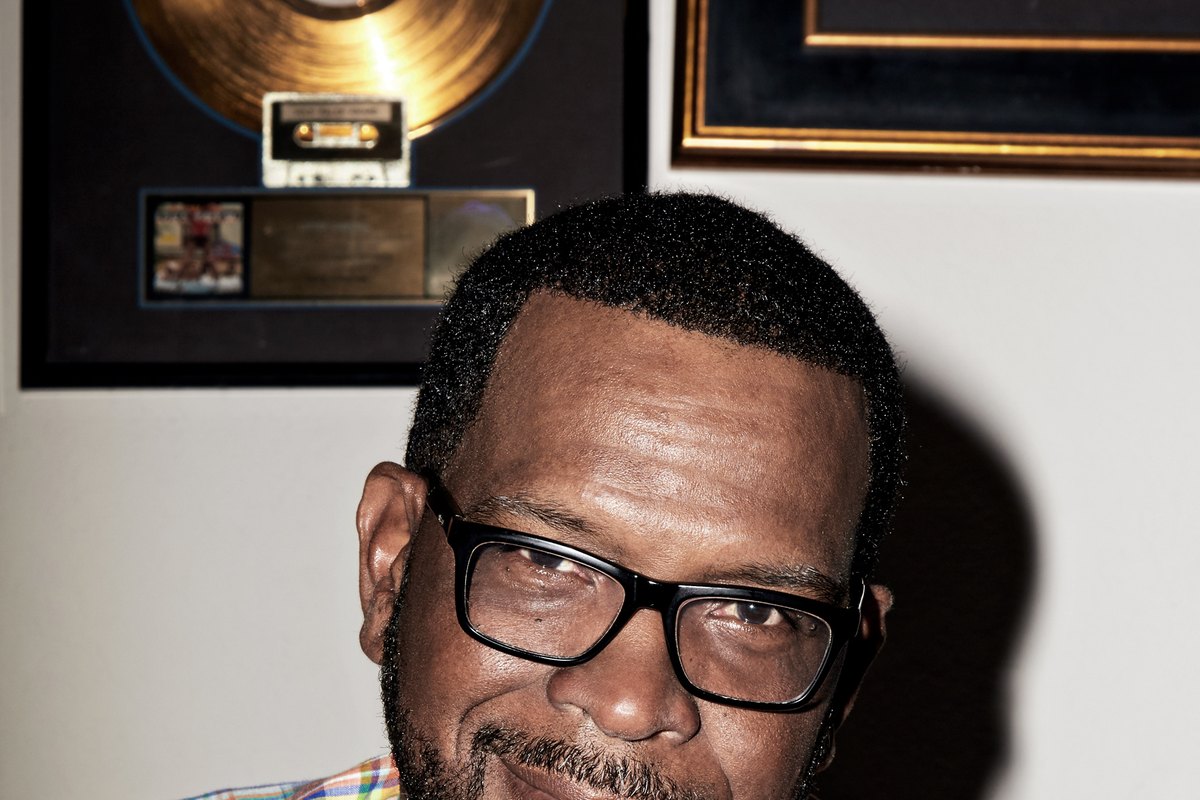
For 2 Live Crew, the fight went beyond a television programmer saying no. Their 1989 album As Nasty as They Wanna Be became the subject of a Florida obscenity case. In 1990, a federal district court found the album obscene. A record-store owner was arrested for selling it, and group members were arrested after a performance.
The music’s booming Miami bass, adult comedy, and crude boasts were central to the dispute. So was a question with consequences far beyond this particular record: could the government treat an album as legally obscene, stripping away the protection usually afforded expression? A federal appeals court reversed the obscenity judgment in 1992.
You didn’t have to admire the record to understand what that reversal meant. The line between disliking a record and arresting someone for selling it had been crossed. Getting it drawn again was a victory bigger than a hit single.
The fight didn’t end with the ’90s
Some of the old taboos lost ground. In 2020, Cardi B and Megan Thee Stallion took “WAP” to No. 1 on the Billboard Hot 100. A song with more direct adult language than several PMRC targets could occupy the center of American pop. But commercial success never meant artists were beyond the reach of people who wanted them silenced. The later battles often concerned politics, conduct, or who controlled access to an audience.
In 2003, the Dixie Chicks, now the Chicks, faced a country-radio boycott after Natalie Maines criticized President George W. Bush. Cumulus imposed a 30-day airplay ban across its country stations. Some continued withholding the group’s music afterward. These were broadcaster decisions, not a government prohibition. The punishment still reached the records, even though the offending words had been spoken onstage rather than sung on them.
Streaming created another point of control: the playlist. In May 2018, Spotify announced a policy under which an artist’s conduct could affect promotion of their music. By June, it had backed away from that conduct policy, acknowledging that its language was too vague. Its separate restriction on hate content remained. This was a fight about behavior and editorial power, rather than profanity alone. Being available to search for and being actively recommended to millions of listeners were different things.
The courtroom remained another battleground. Civil-liberties advocates challenged prosecutors’ use of rap lyrics as evidence, arguing that fictional actions were being treated as proof about the person performing them. California responded in 2022 with a law restricting the use of creative expression in criminal proceedings. It did not make lyrics automatically inadmissible. It recognized that treating a rapper’s fictional narrator as a confession could carry a serious risk of prejudice.
Government pressure also remained real. In June 2025, the United States revoked the visas of British punk-rap duo Bob Vylan after a Glastonbury performance that included chants advocating lethal action against the Israeli military. Officials condemned the chants as hateful. Whatever a listener thought of the performance, the consequence involved the government controlling the musicians’ ability to enter the country, not just a broadcaster declining to play a song.
So the battle did not simply die out and then return. Some restrictions weakened. Others found new targets and new ways to operate. Criticizing a lyric, withholding a playlist slot, using a song in a prosecution, and barring an artist from a country are different acts with different stakes. The question that survives every format change is who gets to turn their disapproval into a decision about what everyone else can hear.