A critic’s insult became Daft Punk. A kung fu film supplied Wu-Tang Clan. ABBA had to share its name with a canned-fish company. Put those origins on a festival poster and you have a very different bill.
A great group name starts working before the music does: it can promise glamour, danger, community, or a world you want to enter. Across pop, hip-hop, R&B, dance music, and rock, these names began with borrowed phrases, private jokes, other people, and a few practical problems. The stories are worth knowing even when you can already sing the chorus.
01ABBA: The Letters Were Easy. The Fish Company Was the Complication.
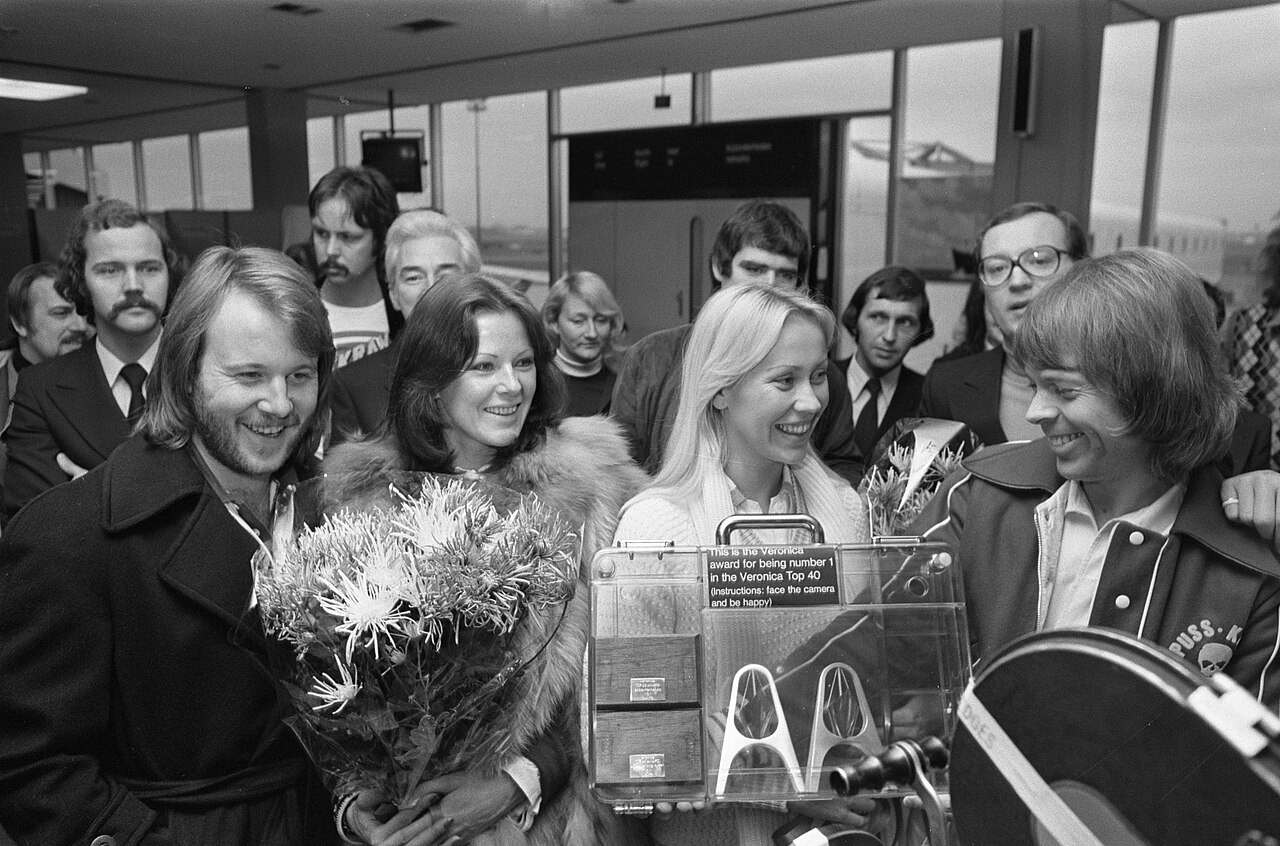
ABBA compresses Agnetha, Björn, Benny, and Anni-Frid into a name that reads the same in either direction. The group’s official history records another wrinkle: a Swedish canned-fish company already used it. Fortunately for pop music, the company agreed to share.
The shortcut did a useful job. Instead of announcing a string of first names, the quartet could arrive with a compact identity that looked as neat as its vocal arrangements sounded. The ingredients were personal. The result felt purpose-built for a record sleeve.
02Daft Punk: A Bad Review Supplied a Better Name
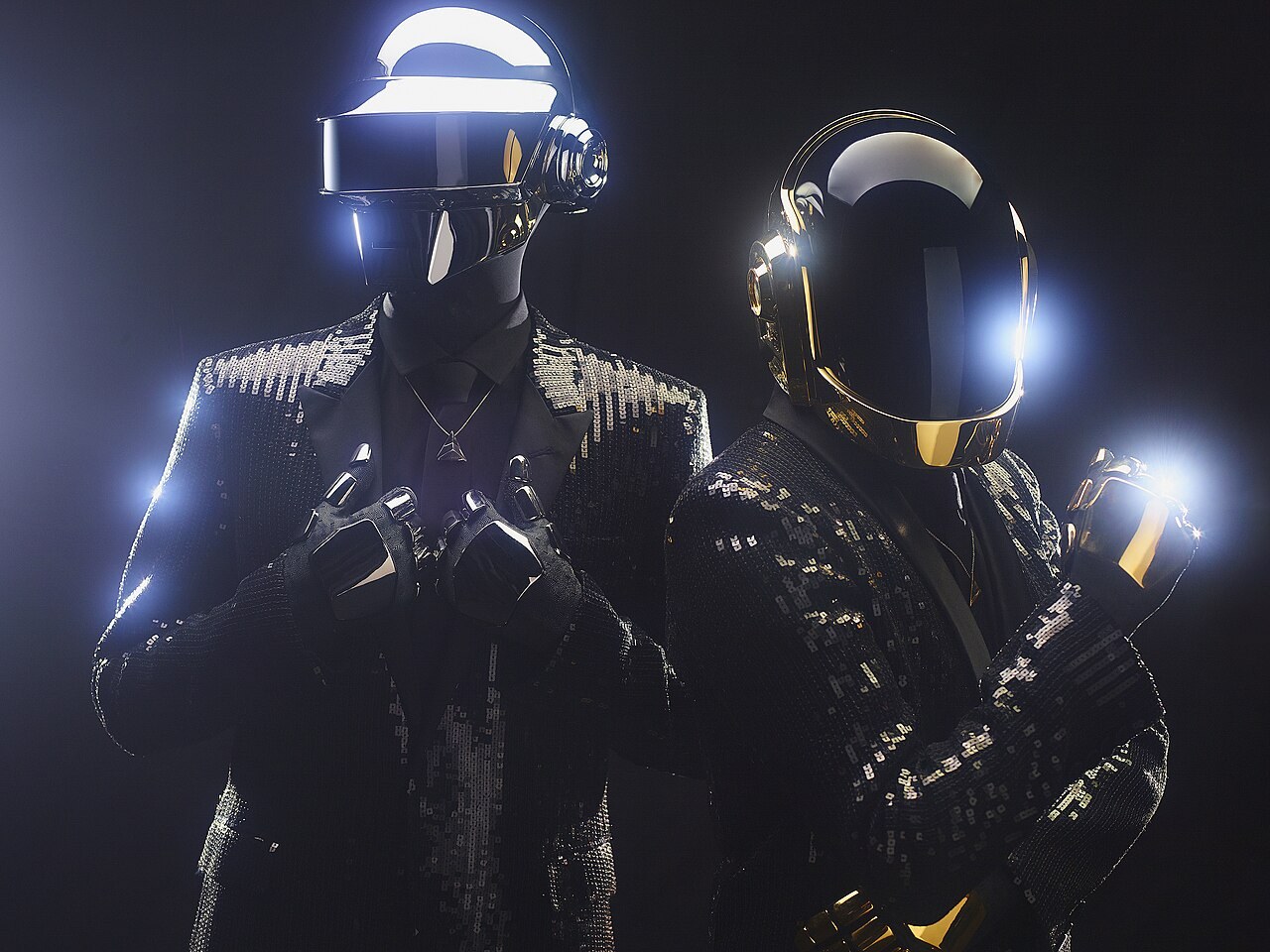
Before the helmets, Thomas Bangalter and Guy-Manuel de Homem-Christo played in Darlin’. A 1993 Melody Maker review by Dave Jennings dismissed that project’s music as “daft punky thrash.” The future electronic duo took a piece of the insult and turned it into Daft Punk.
There is a pleasing economy to the revenge: no rebuttal required, just keep the useful words. The phrase sounds abrasive and a little ridiculous, which leaves plenty of room for dance music to be playful as well as exacting. A critic’s put-down became the introduction.
03Wu-Tang Clan: The Name Came Out of a Kung Fu Movie
The film behind Wu-Tang Clan’s name is the 1983 martial-arts picture Shaolin and Wu Tang, also billed as Shaolin vs. Wu Tang. The connection is explicit in the Coolidge Corner Theatre’s program for a screening with RZA’s live commentary.
For a rap group, borrowing from martial-arts cinema offers more than an unusual sound. It suggests rival schools, specialized skills, and a shared discipline: a whole world that a listener can imagine entering. The name makes a crew feel like an order with its own rules.

04TLC: The Original C Wasn’t Chilli
TLC began with the first initials of Tionne Watkins, Lisa Lopes, and Crystal Jones. When Rozonda Thomas replaced Jones, Lopes gave her the nickname Chilli, keeping the existing letters intact. People recounts that naming history in its interview with Thomas.
That makes the familiar abbreviation a small record of a lineup change. The name stayed while one of the people it originally described left. A listener can recognize the letters instantly and still miss the earlier group tucked inside them.

05Bee Gees: Brothers Gibb Wasn’t the First Explanation
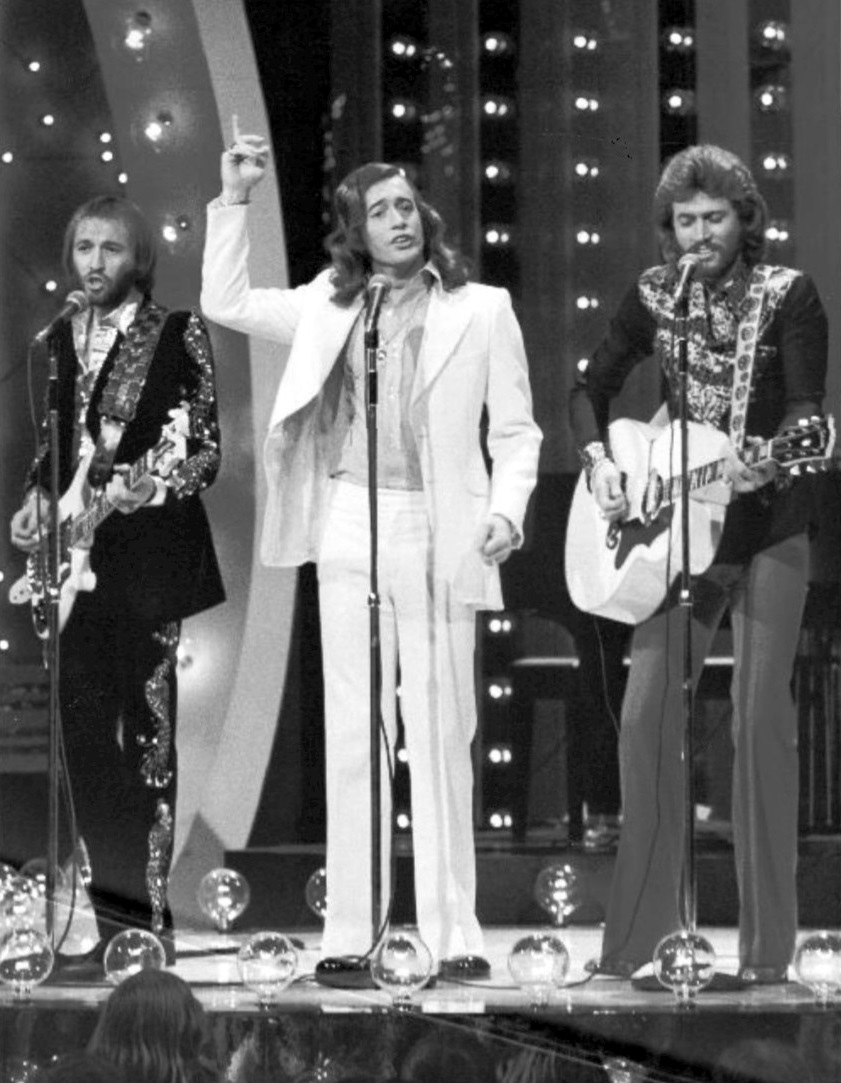
The Bee Gees’ official website says the name began as the BGs, linking the initials of Barry Gibb, Bill Goode, and Bill Gates. The familiar Brothers Gibb interpretation came later. This Bill Gates belonged to the group’s early Australian story.
It is an excellent trap for anyone answering too quickly. Brothers Gibb fits so comfortably that it feels inevitable, yet the band’s own account preserves a wider circle in those letters. A name can acquire a convincing explanation after it has already been chosen.
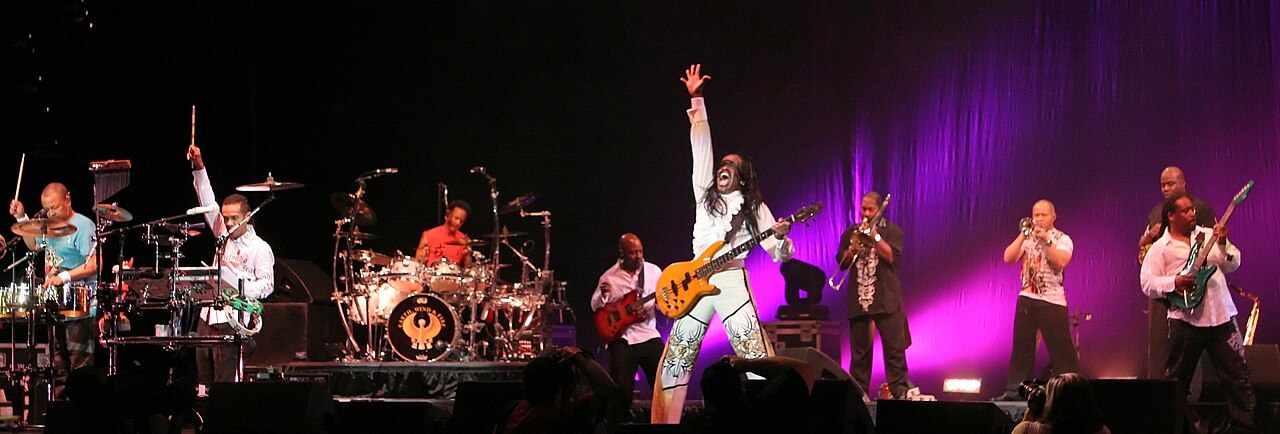
06Earth, Wind & Fire: Maurice White Looked to His Astrological Chart
Before Earth, Wind & Fire, there was the Salty Peppers. The band’s official biography says Maurice White chose the new name from the elements in his astrological chart. Its cosmic sweep was deliberate: the biography connects it to his spiritual approach to music.
The change also expands the listener’s field of vision. Salty Peppers sounds like a group you might find playing around the corner, Earth, Wind & Fire sounds like it intends to take over the horizon. It is a grand promise before anybody touches an instrument.
07Destiny’s Child: Beyoncé Found the Key Word in the Bible
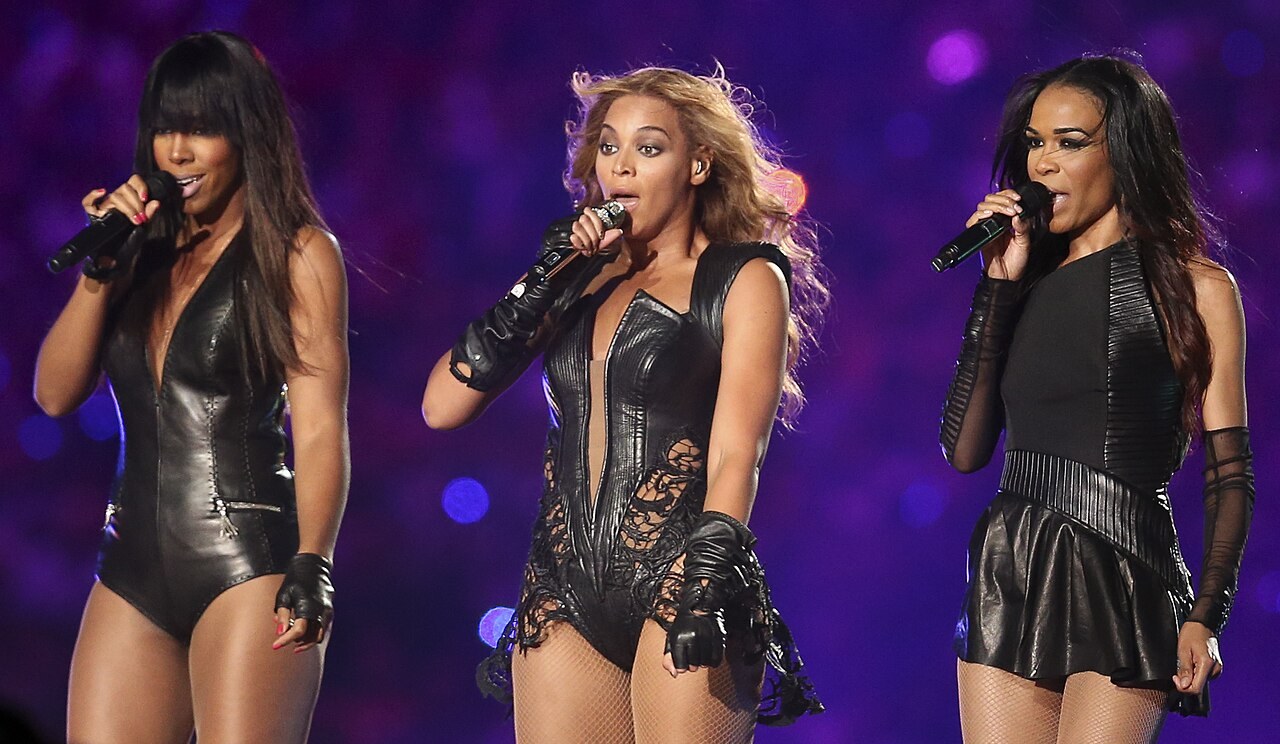
Beyoncé explained the name’s religious starting point in an Interview conversation published in 2001: the group opened the Bible and found the word destiny. That is her account of the inspiration, rather than a reason to assume the complete phrase appears as a biblical quotation.
The distinction matters. Destiny’s Child sounds like a declaration of purpose, but its meaning also rests in how the singers understood it. A listener hears ambition in the words, Beyoncé’s explanation places faith beneath it. The name can hold both without needing an invented verse.
08Outkast: The Dictionary Had a Word for What They Wanted to Be
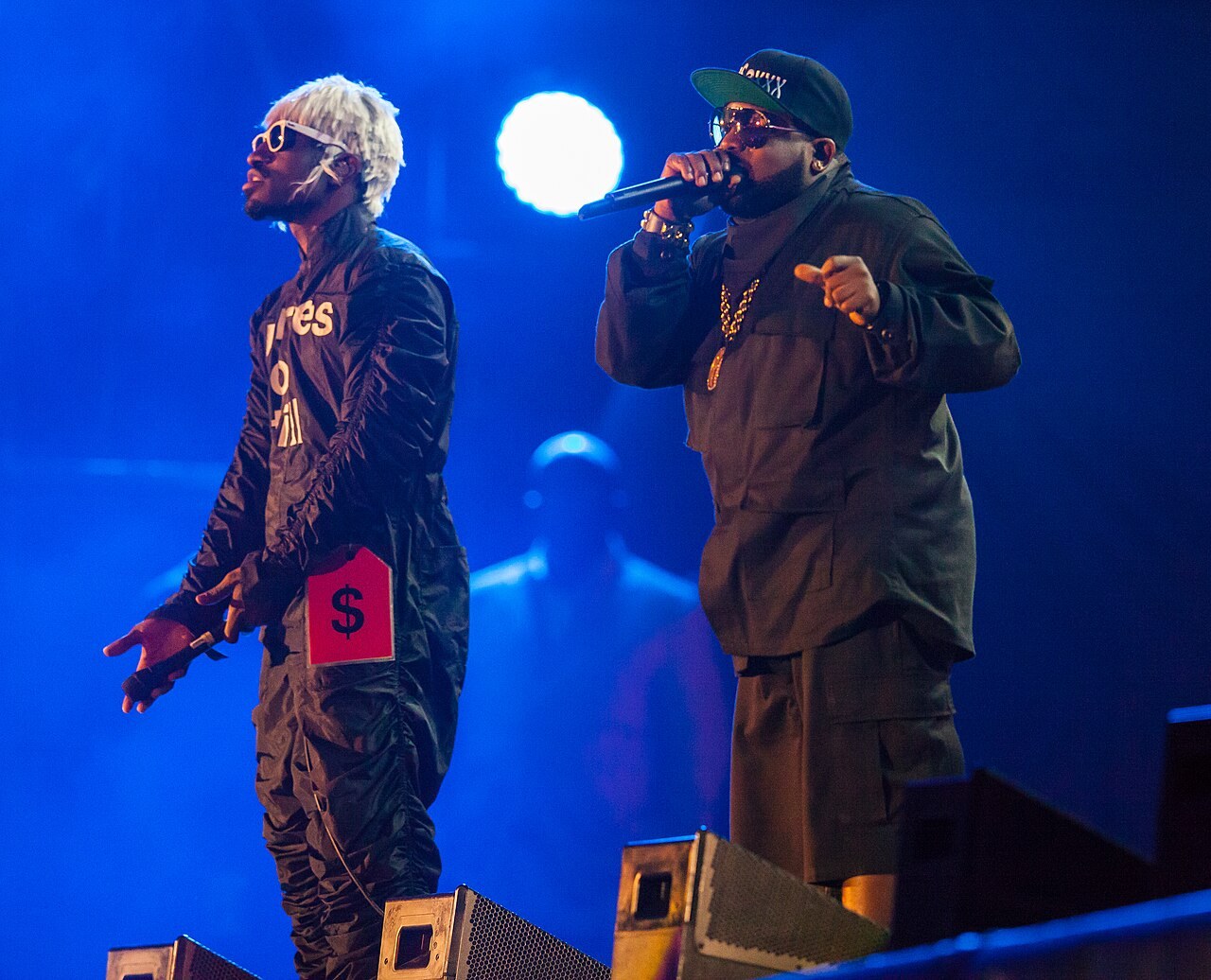
After earlier names proved unavailable, André 3000 and Big Boi turned to a dictionary. They settled on outcast and kept its phonetic k spelling. Their naming history is recorded in Encyclopedia.com’s biography, including André’s recollection of the search.
It is a name with a position built into it: outside the accepted circle. That gives the duo room to be strange without asking for permission first. The altered spelling adds a little friction, too. Even the written word declines to arrive in the expected form.
09Depeche Mode: A Fashion Magazine Became a Band Name
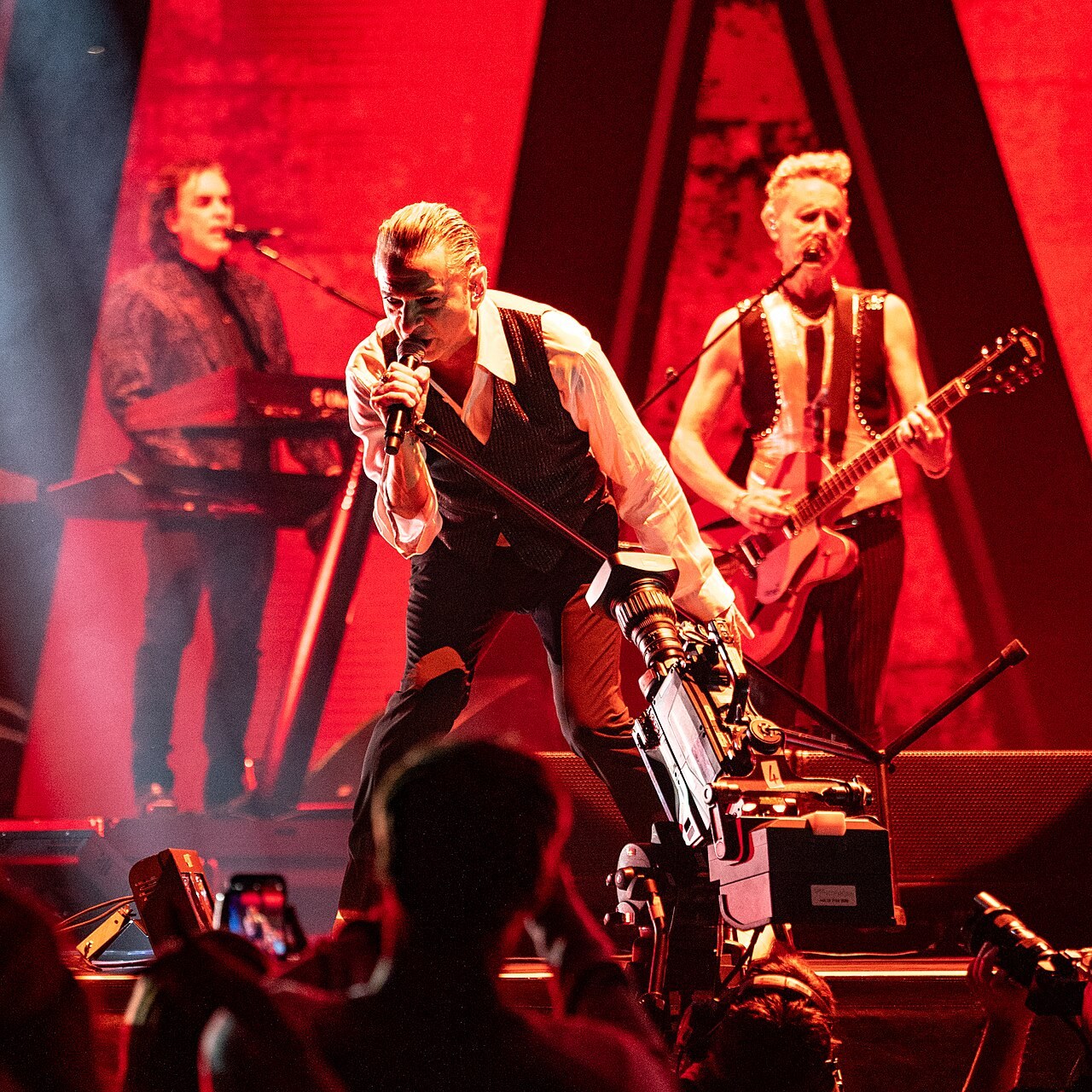
Dave Gahan found Depeche Mode in the title of a French fashion magazine. It gave the group a name with a ready-made sense of style. Accounts of the phrase’s English translation vary. The magazine connection is the useful, concrete part of the story.
There is an appealing mismatch between something made for a newsstand and something made to be sung into a microphone. A publication’s title can sound surprisingly mysterious when it leaves its original setting. The words become a band’s identity before most listeners have any reason to translate them.
10A Tribe Called Quest: Another Rapper Finished the Name
The group started with Quest. Asked who named A Tribe Called Quest in an Interview conversation, Q-Tip credited Afrika from Jungle Brothers with adding the rest. A name that sounds like a complete founding statement arrived through another musician’s contribution.
The added words change the scale. Quest could belong to a solo traveler, A Tribe Called Quest puts a community around the search. That is an interpretation of the phrase, rather than an extra origin story, but it explains why the longer version feels so welcoming.

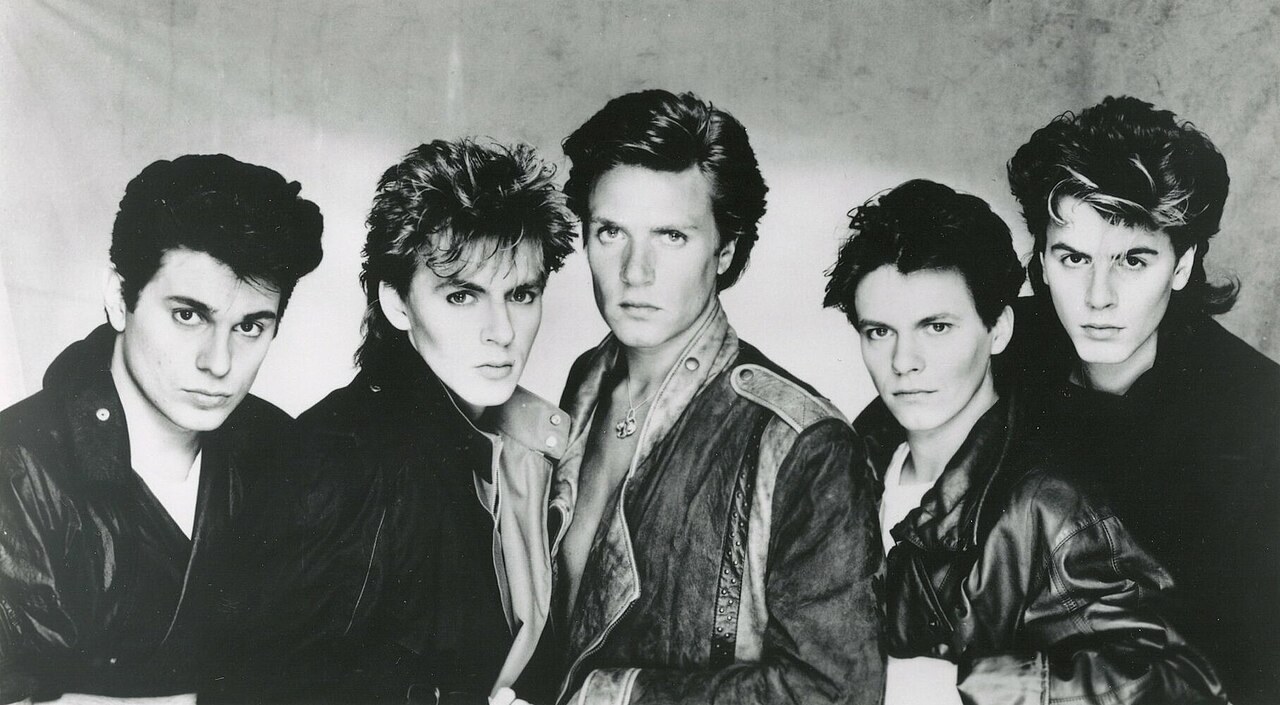
11Duran Duran: A Sci-Fi Villain Supplied the Name
Duran Duran borrowed their name from a character in Barbarella, Roger Vadim’s science-fiction film starring Jane Fonda. The band’s official FAQ identifies the character as Durand-Durand, played by Milo O’Shea. The repeated name survived the trip from the screen with a slightly different spelling.
It is wonderfully excessive source material for a pop name. Those doubled syllables sound memorable before they explain anything, and the film connection adds a layer of strange glamour. You can know the records for years without realizing that a fictional character was there first.
12Chic: Bernard Edwards Had the Name Before the Band Needed It
In his memoir Le Freak, Nile Rodgers credits Bernard Edwards with suggesting Chic during a conversation about Roxy Music’s style. Rodgers initially laughed it off. When the musicians needed to move on from the Big Apple Band name, Chic got another hearing.
The short name advertised elegance before the group had the wardrobe to match. Its apparent simplicity hides an ambition: make the band sound and look as considered as the word. Edwards supplied the suggestion. The musicians had to make it fit.

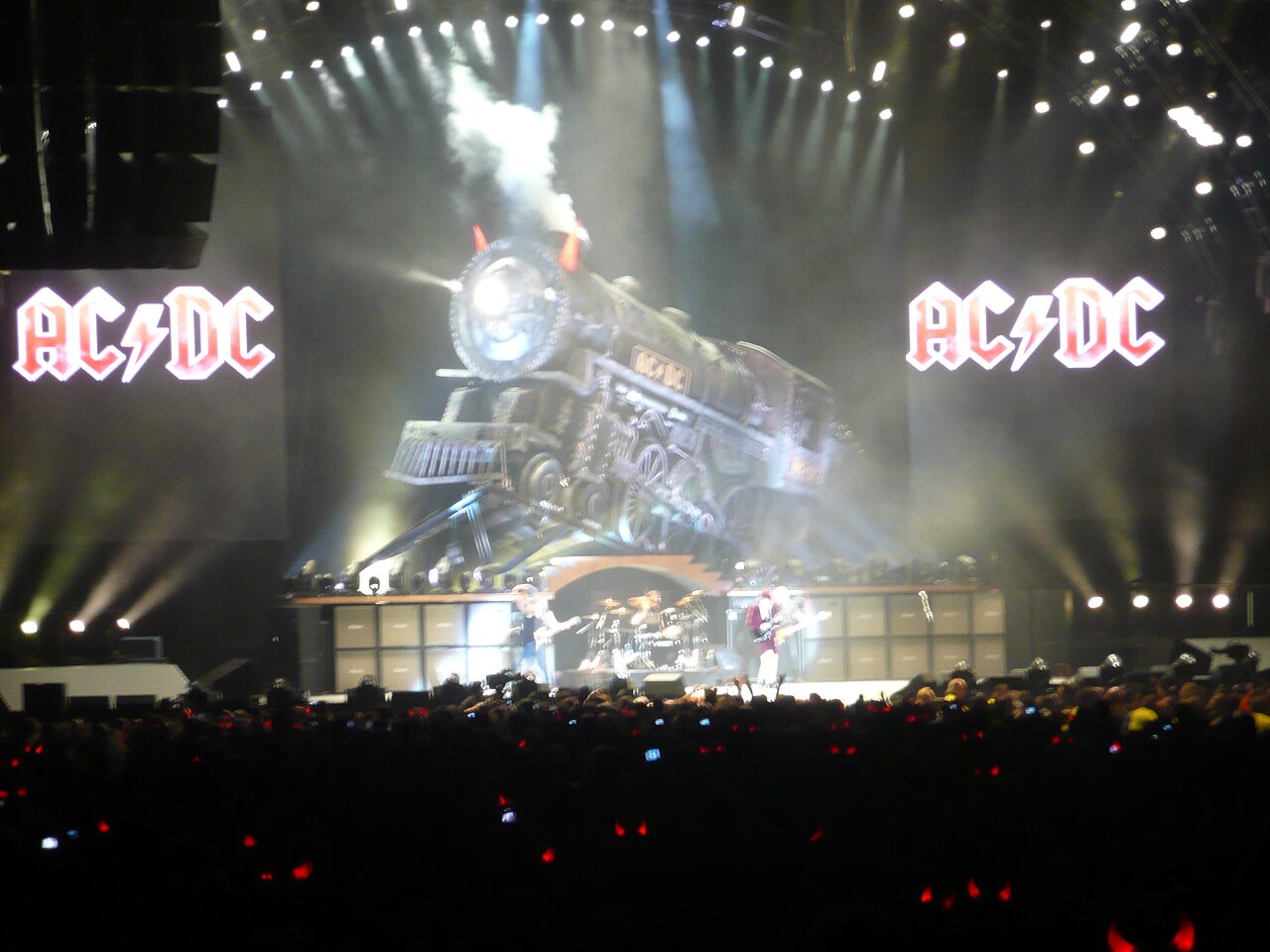
13AC/DC: Four Letters, One Very Un-Rock-and-Roll Source
The letters that would become synonymous with hard rock came from a domestic appliance. Australia’s ABC recounts that Angus and Malcolm Young picked up AC/DC from the back of their sister’s sewing machine. The abbreviation refers to alternating current and direct current, electrical terminology with considerably more punch than most household labels.
It is hard to imagine a better accidental description of the group. AC/DC’s guitars make rhythm feel physical: a riff locks in, the drums push it forward, and the whole thing seems capable of running indefinitely. The name has that same blunt economy. Four letters, no explanation required once the amplifier is on.
14The Rolling Stones: Their Name Was Already on Someone Else’s Record
Before the Rolling Stones became shorthand for stadium-sized rock excess, their name pointed straight to the blues. It came from Muddy Waters’ 1950 single “Rollin’ Stone.” The connection was musical as well as verbal: the Stones’ early repertoire drew heavily on the American blues they loved.
The title carries motion without promising a destination, which suits a band whose best music can sound loose and relentless at the same time. But the name also preserves a debt. Under all the celebrity machinery, there is still a sign pointing back to Waters, a Black American musician whose work helped young British players figure out what they wanted to do.
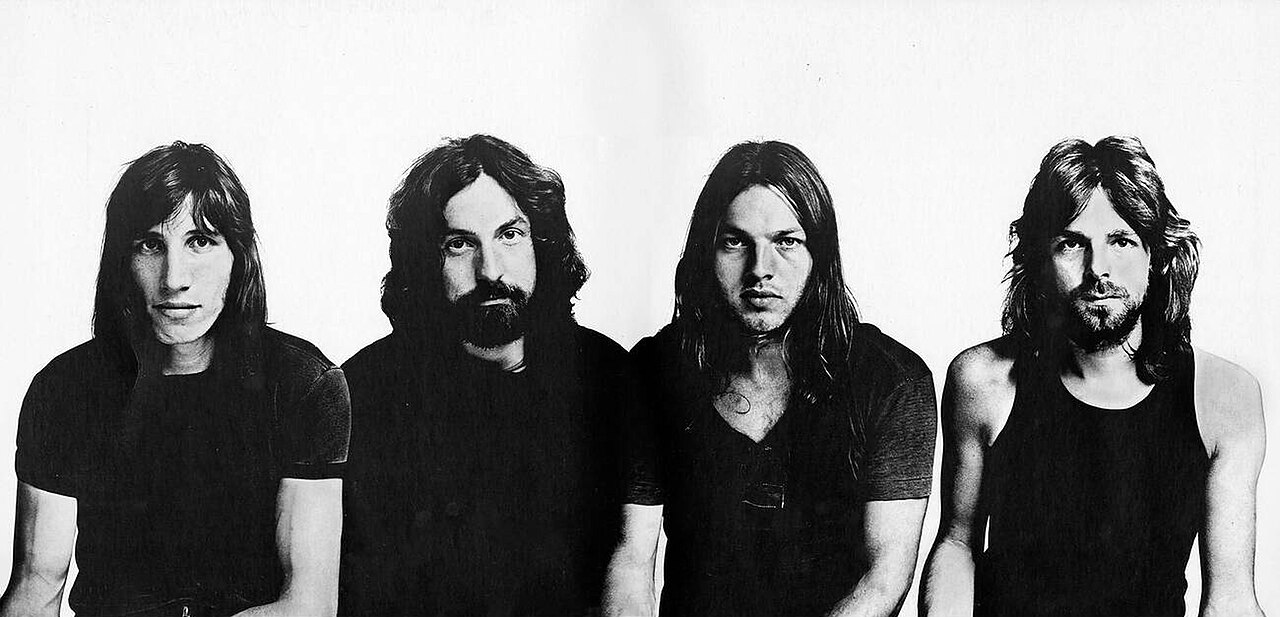
15Pink Floyd: The Name Was Two Men All Along
Pink Floyd sounds like it might have arrived in a dream. Its ingredients were two real musicians: Pink Anderson and Floyd Council. Syd Barrett combined their names to give his band an identity, a connection preserved in Pink Floyd’s own official biography.
That origin is especially striking beside the music Barrett helped create. Tape loops, feedback, echo, and songs that could veer from a peculiar pop melody into a sonic freak-out made early Floyd a vehicle for psychedelic experiment. Yet the name carried an older musical world into that new one. Even when British rock was reaching for outer space, the blues was somewhere in the luggage.
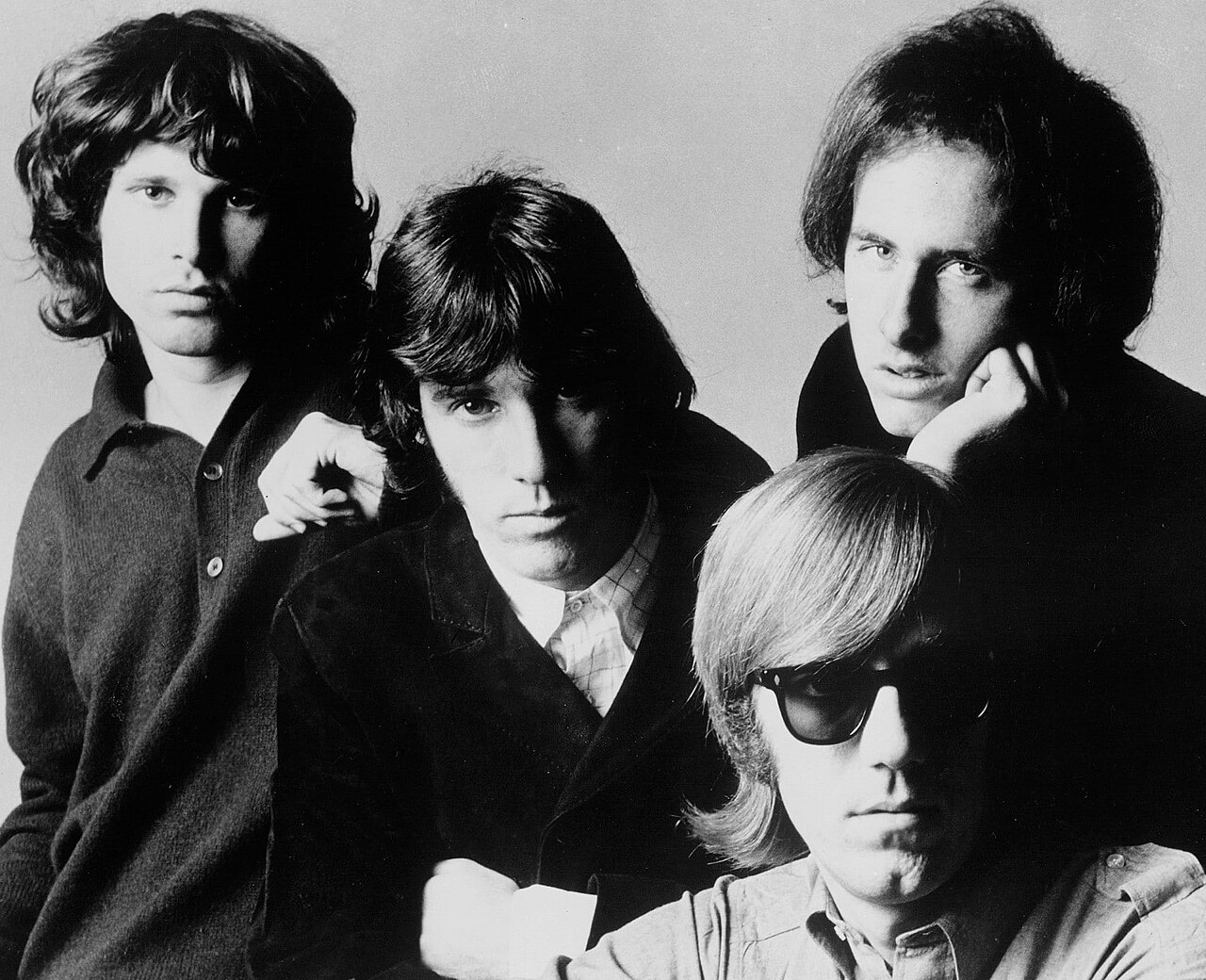
16The Doors: The Huxley Book Behind Jim Morrison’s Choice
Jim Morrison took the band’s name from Aldous Huxley’s The Doors of Perception, a book about an altered state of perception. The band’s official history identifies the book as the source and credits Morrison with the choice. For a singer who approached lyrics through poetry, it was a revealing place to look.
The name suggests a threshold: something ordinary on this side, something less predictable beyond it. Then their debut album opened with “Break on Through (to the Other Side).” You could hardly ask for a clearer introduction to the idea. Ray Manzarek’s keyboards and the band’s restless blend of blues, jazz, and rock gave Morrison somewhere to take that invitation. The literary reference had music behind it.
17Radiohead: Their Label Wanted a New Name. Another Band Had the Answer.
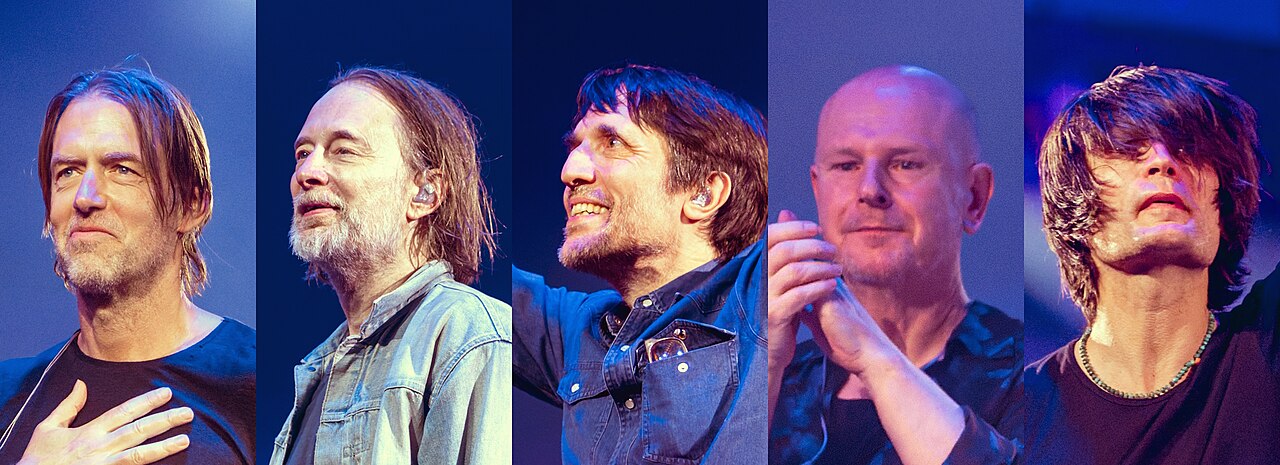
Before they were Radiohead, they were On a Friday. The replacement came from “Radio Head,” a song on Talking Heads’ 1986 album True Stories, with the change made at their label’s request. The Bavarian State Opera’s artist biography records the connection, an unusually formal home for this particular piece of band trivia.
On a Friday sounds like a penciled-in appointment. Radiohead sounds like a person receiving signals they cannot switch off. That second reading belongs to the listener, rather than the documented naming decision, but it fits the band’s later music remarkably well: voices struggling through interference, machines intruding on human feeling, guitar songs opening into electronic unease. They borrowed a title and eventually made it feel like a condition.
18Foo Fighters: Dave Grohl’s Name Came From a Wartime Mystery
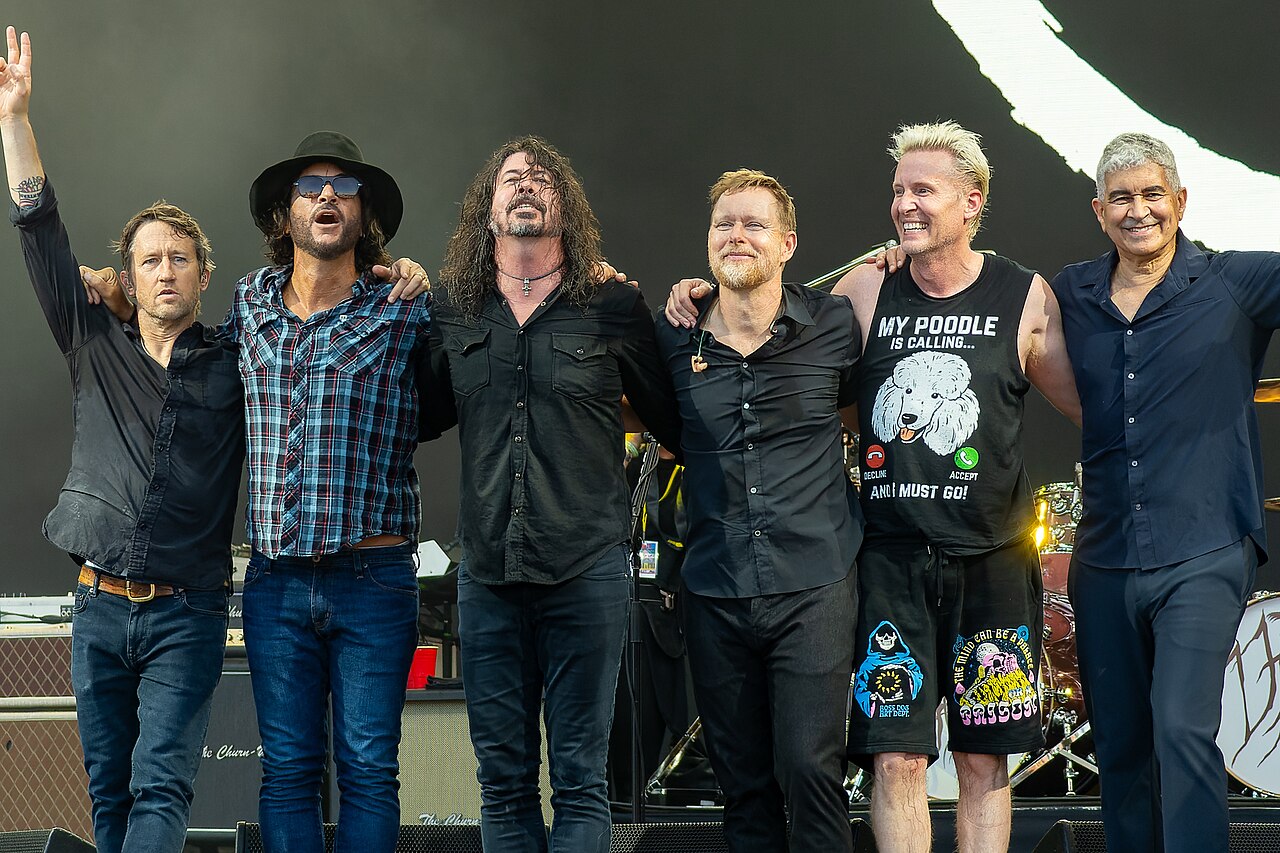
Foo Fighters takes its name from a World War II term for unidentified aerial phenomena. Grohl’s fascination with UFOs also extended to the name of his label, Roswell Records. The extraterrestrial thread is part of the band’s origin story, rather than a secret instruction for interpreting every song.
The choice gives an otherwise muscular rock name a wonderfully odd underside. Say it without knowing the history and it sounds like a gang ready to charge the stage. Learn the history and the fighters dissolve into something unexplained in the night sky. For a band built around direct, forceful songs, that little pocket of mystery has survived surprisingly well.
19The Ramones: Punk’s Fake Family Had a Beatle in Its Past
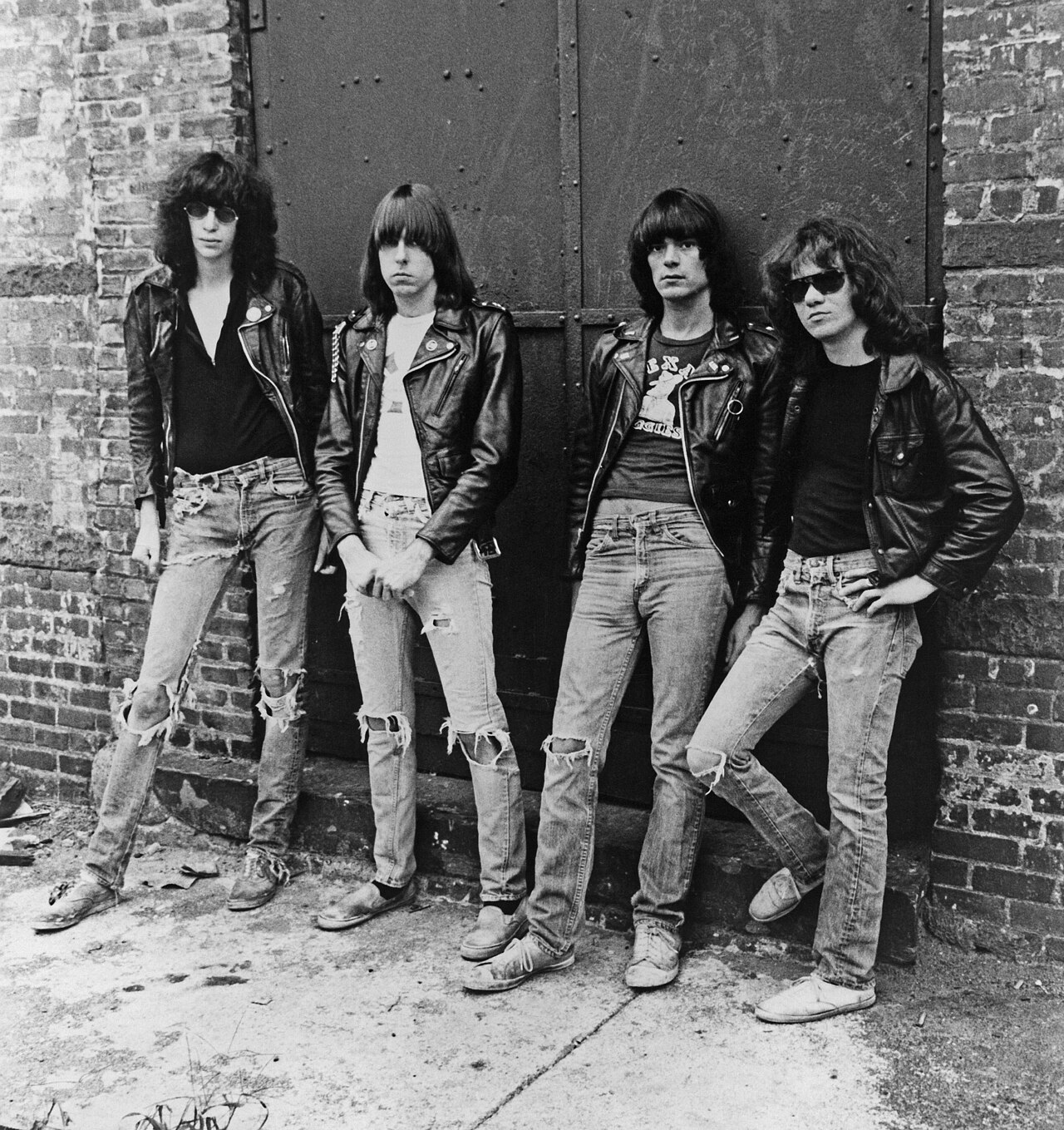
Dee Dee came up with the Ramones name by taking inspiration from Paul McCartney’s alias, Paul Ramon. Rhino, the band’s catalog label, identifies Dee Dee as the person who suggested borrowing it. The surname the musicians adopted was an invention, rather than evidence that this was a family band.
That is a satisfying wrinkle in punk history. A group whose clipped songs and serrated guitar sound helped reset rock’s expectations carried a link to one of pop’s most famous songwriters right in its name. The shared surname also made the band look like a single unit. Joey, Johnny, Dee Dee, and Tommy sounded like relatives even when the music suggested a family gathering moving at unsafe speed.
20Queen: Freddie Mercury Wanted a Name That Would Start Trouble
Freddie Mercury chose Queen as the band emerged from Smile. This was a deliberate statement of scale: he described the name as regal and explained that he wanted it to provoke speculation. Radio X collects his comments alongside a friend’s recollection that the name’s gay associations were apparent from the beginning.
The word could hold grandeur and camp without collapsing under either. That flexibility suited a band willing to make rock theatrical, lavish, and occasionally ridiculous. Mercury did not have to explain a complicated mythology before walking onstage. The name already suggested that modesty would be in short supply, and left the musicians with something substantial to live up to.
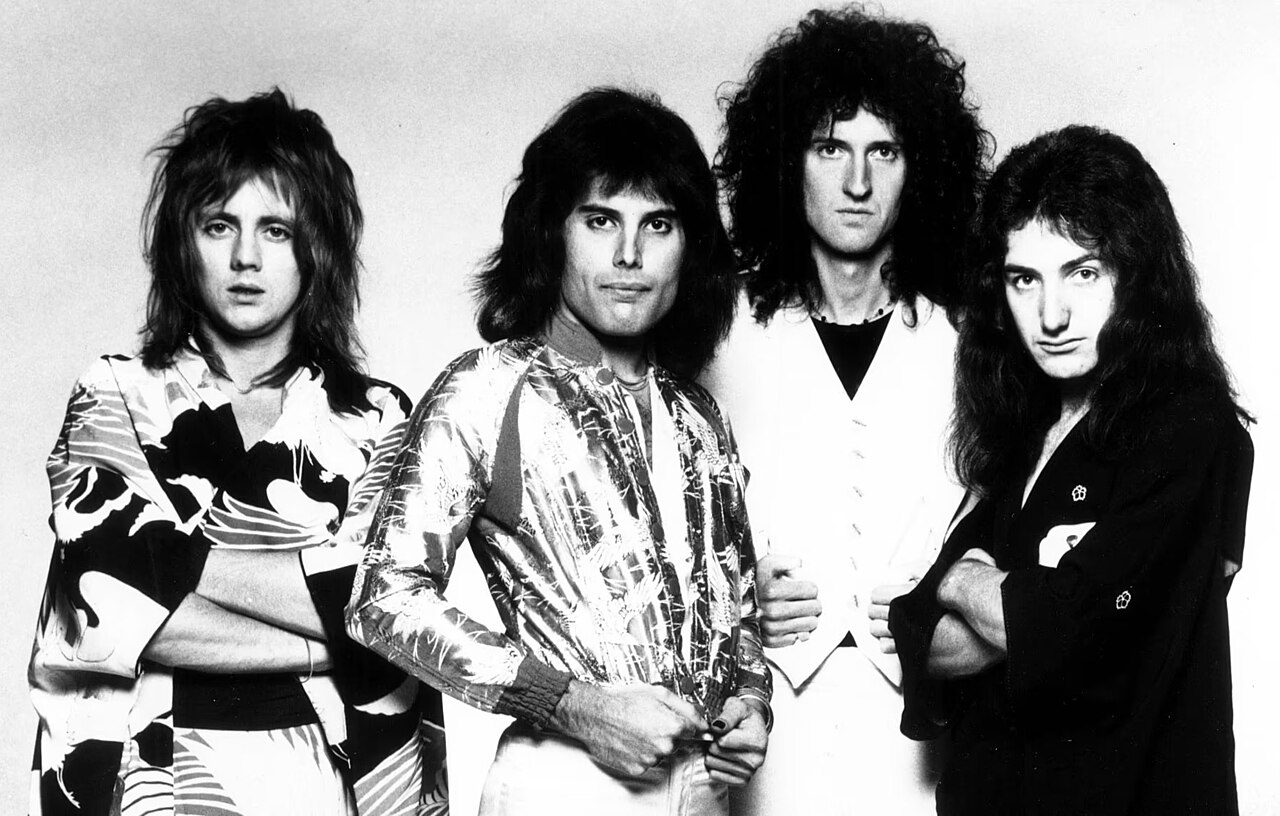
21Black Sabbath: Before It Was a Band, It Was a Horror Movie
Black Sabbath began under the name Earth. According to the band’s official history, the musicians wrote a song called “Black Sabbath,” taking its title from the 1963 Boris Karloff horror film. When another group using Earth made a name change necessary, they adopted the song’s title for the band.
Here, the name and the sound reinforced each other. The recorded song opens with rain, thunder, and a tolling bell before Tony Iommi’s guitar supplies the menace. Black Sabbath promised an atmosphere that Earth could not. The borrowed film title became a useful creative direction: music could frighten an audience, and a rock band could make that feeling its central attraction.
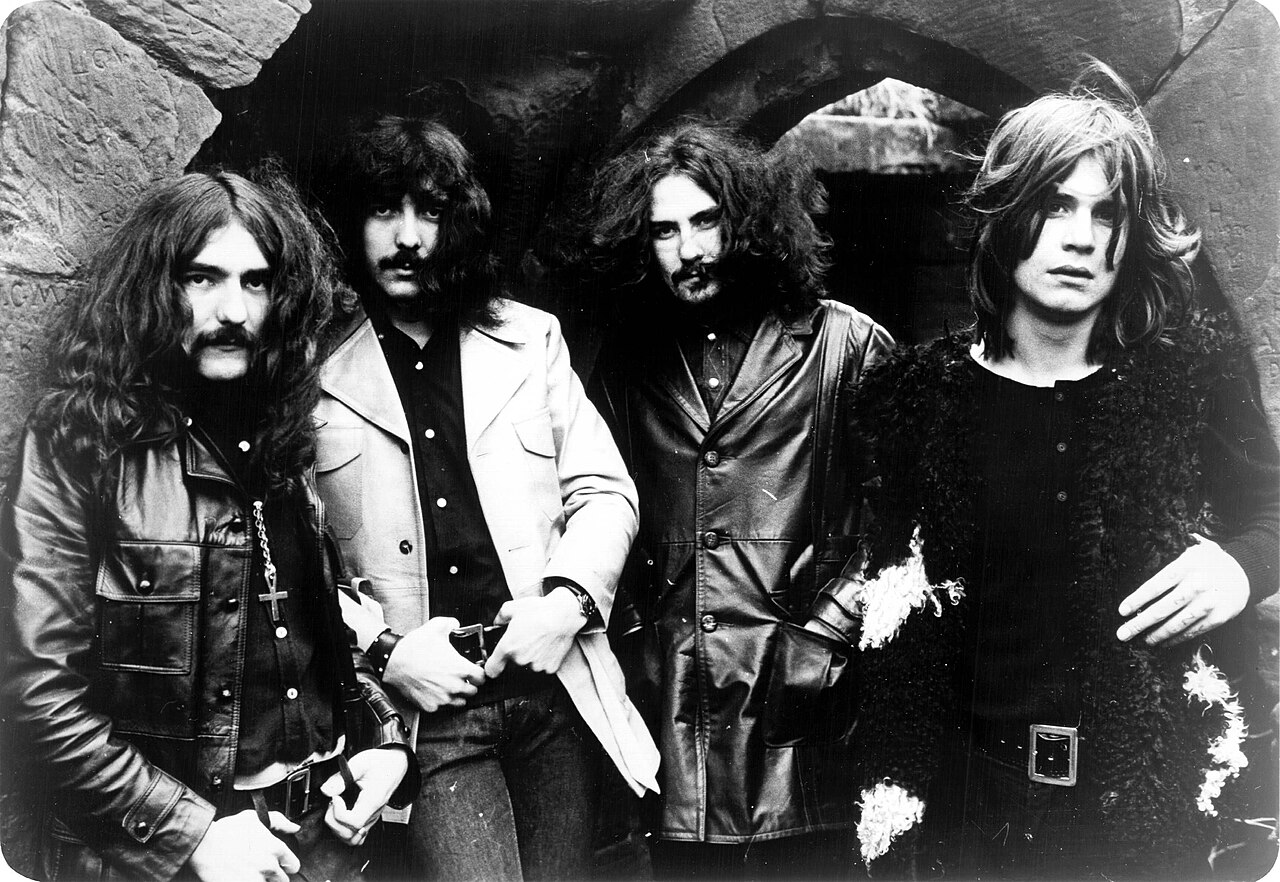
22Led Zeppelin: The Name Came From a Band That Never Happened
Jimmy Page credits the Who’s Keith Moon with mentioning the name Led Zeppelin before Page’s eventual group existed. In his Academy of Achievement interview, Page recalled discussing a band that would have included Moon and Jeff Beck, then asking whether he could use the name. That proposed lineup never became the Zeppelin listeners know.
The two words suggest something too heavy to fly. Page’s recollection adds another contradiction: a name can outlive the musicians originally imagined beneath it. Led Zeppelin’s combination of mass and flight suits the music that followed: John Bonham’s enormous drum sound below Robert Plant’s voice, with Page’s guitar moving between delicate acoustic passages and riffs built to flatten a room.
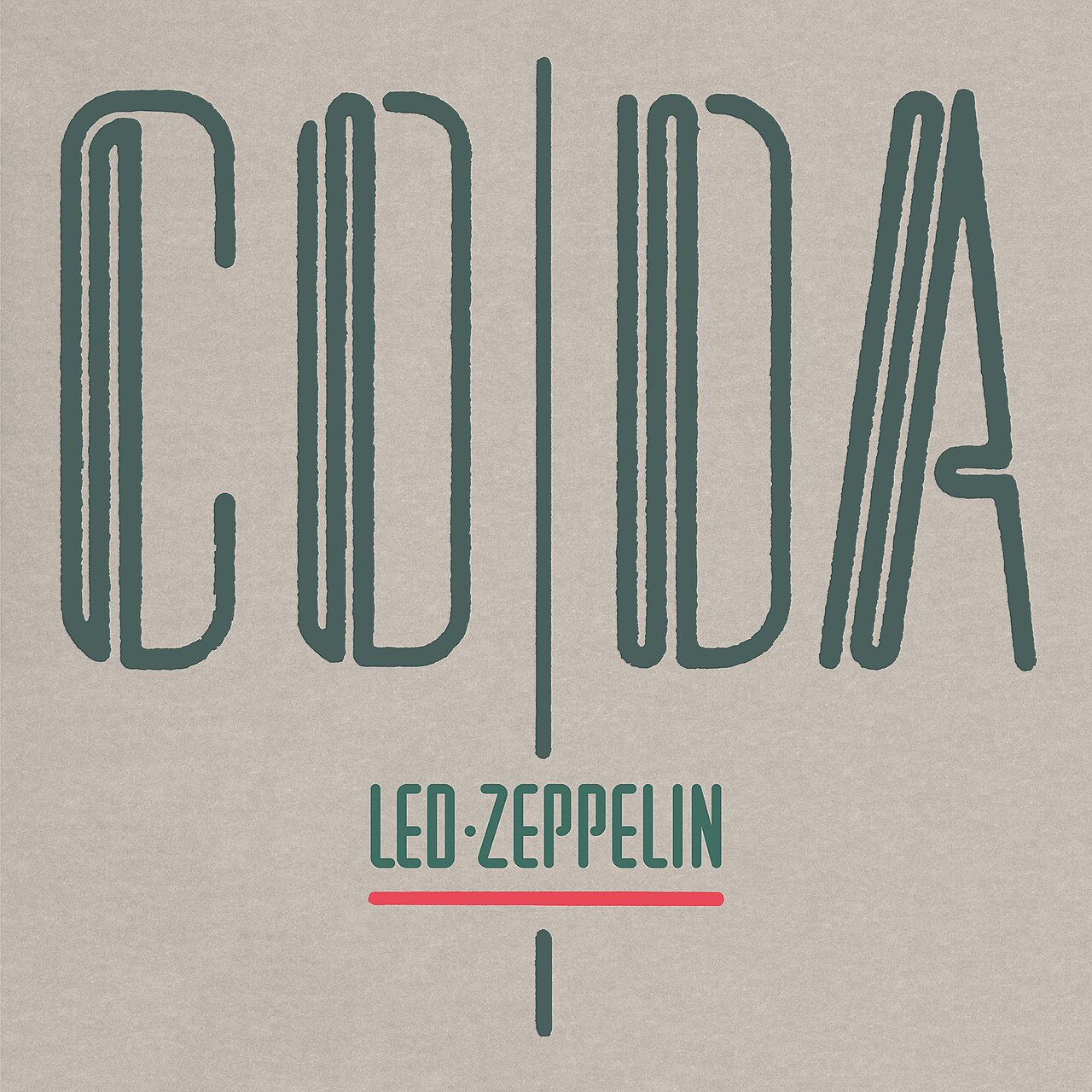
23Green Day: The Name Makes More Sense When You Know the Slang
Green Day began as Sweet Children, then changed names in 1989 to avoid confusion with another band, Sweet Baby. The new choice was Bay Area slang associated with cannabis and an idle day. It is an unusually honest admission of how much ambition can coexist with wanting to stay in bed.
The name’s laziness is almost a dare beside the band’s speed. Billie Joe Armstrong can turn boredom into something urgent, with a melody pushing through the guitar distortion before the next complaint arrives. Plenty of rock names advertise danger or dominance. This one advertises a wasted afternoon, which makes the subsequent work rate feel like an elaborate betrayal of the original plan.
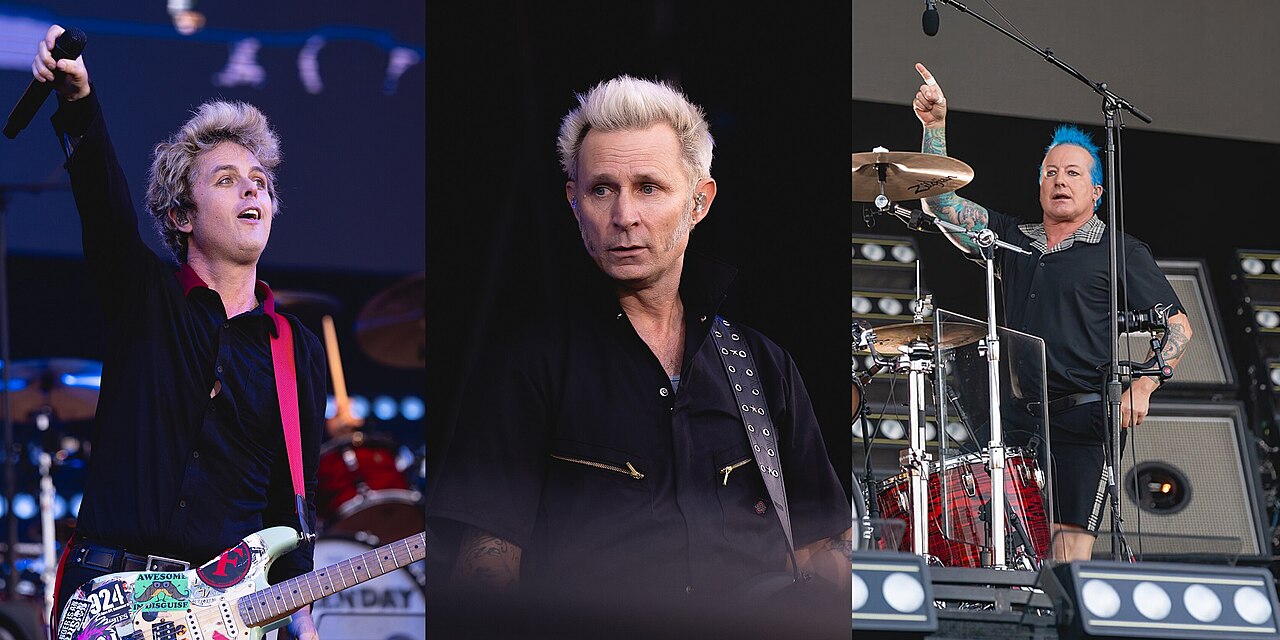
24Deep Purple: This Heavy-Rock Name Began at Grandma’s Piano
Asked whether Deep Purple was his grandmother’s favorite song, Ritchie Blackmore offered a small correction: it was a song she used to play on the piano. The band borrowed its title. That family connection is more specific, and better, than imagining that somebody simply liked the sound of an ominous color.
Blackmore’s guitar and Jon Lord’s organ would make Deep Purple sound considerably less domestic. The organ could bite into a riff as aggressively as the guitar, giving the group a thick, argumentative roar. Yet the name began with a remembered tune at a piano. A band associated with volume and virtuosity carried a quiet piece of household music into the noise.

25Judas Priest: Their Name Came From Someone You’d Never Mistake for Metal
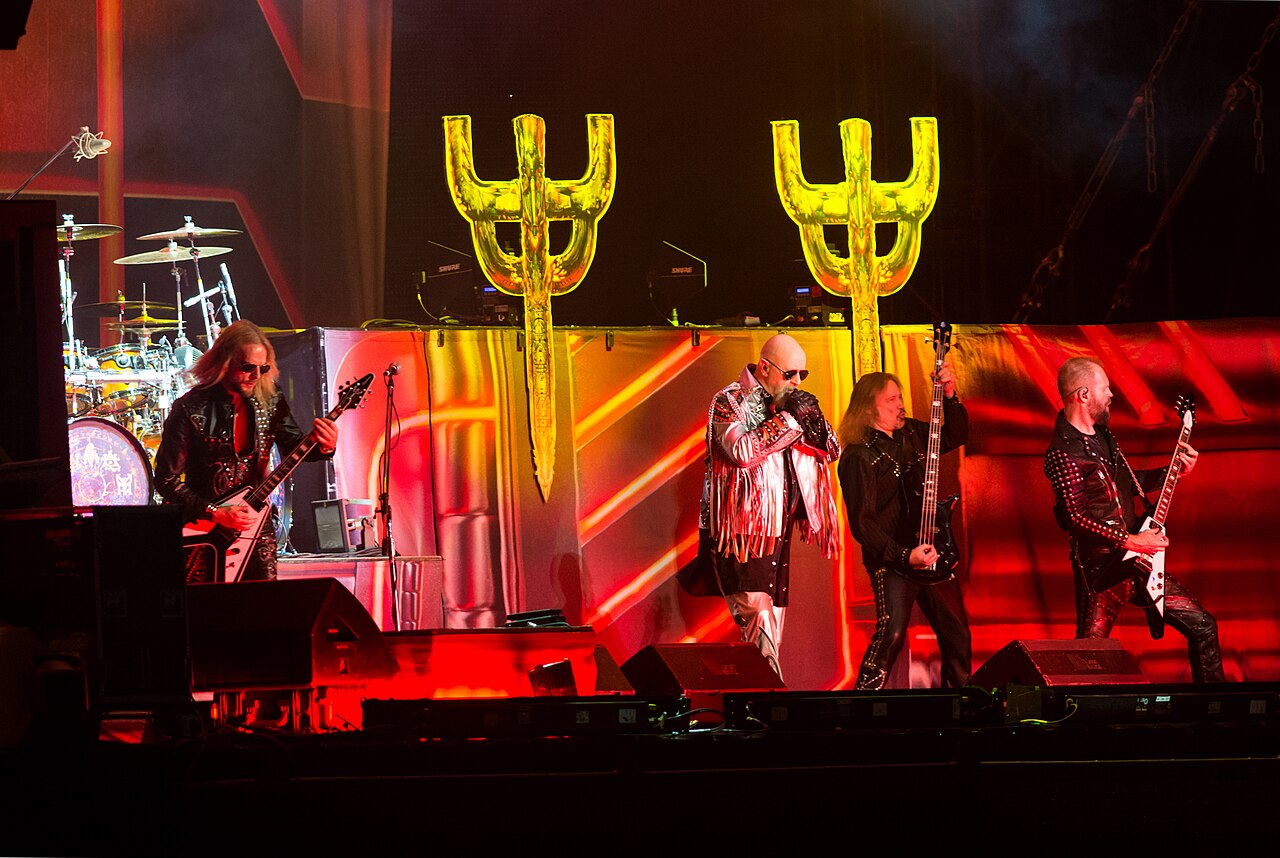
Judas Priest found their name in Bob Dylan’s “The Ballad of Frankie Lee and Judas Priest.” It came through singer Al Atkins, whose previous band had already used the name. After that group broke up, he brought it to the musicians who would develop into the familiar Priest. The words preceded Rob Halford’s arrival.
The source is a wonderful mismatch. Dylan’s storytelling voice is a long way from Halford’s piercing upper register and the band’s twin-guitar attack, but the phrase has menace built in. Put betrayal beside religious authority and the listener has something to worry about before a note sounds. Dylan supplied a character. Metal gave the name a different kind of theater.
26Iron Maiden: A Frightening Image Became a Rock Brand
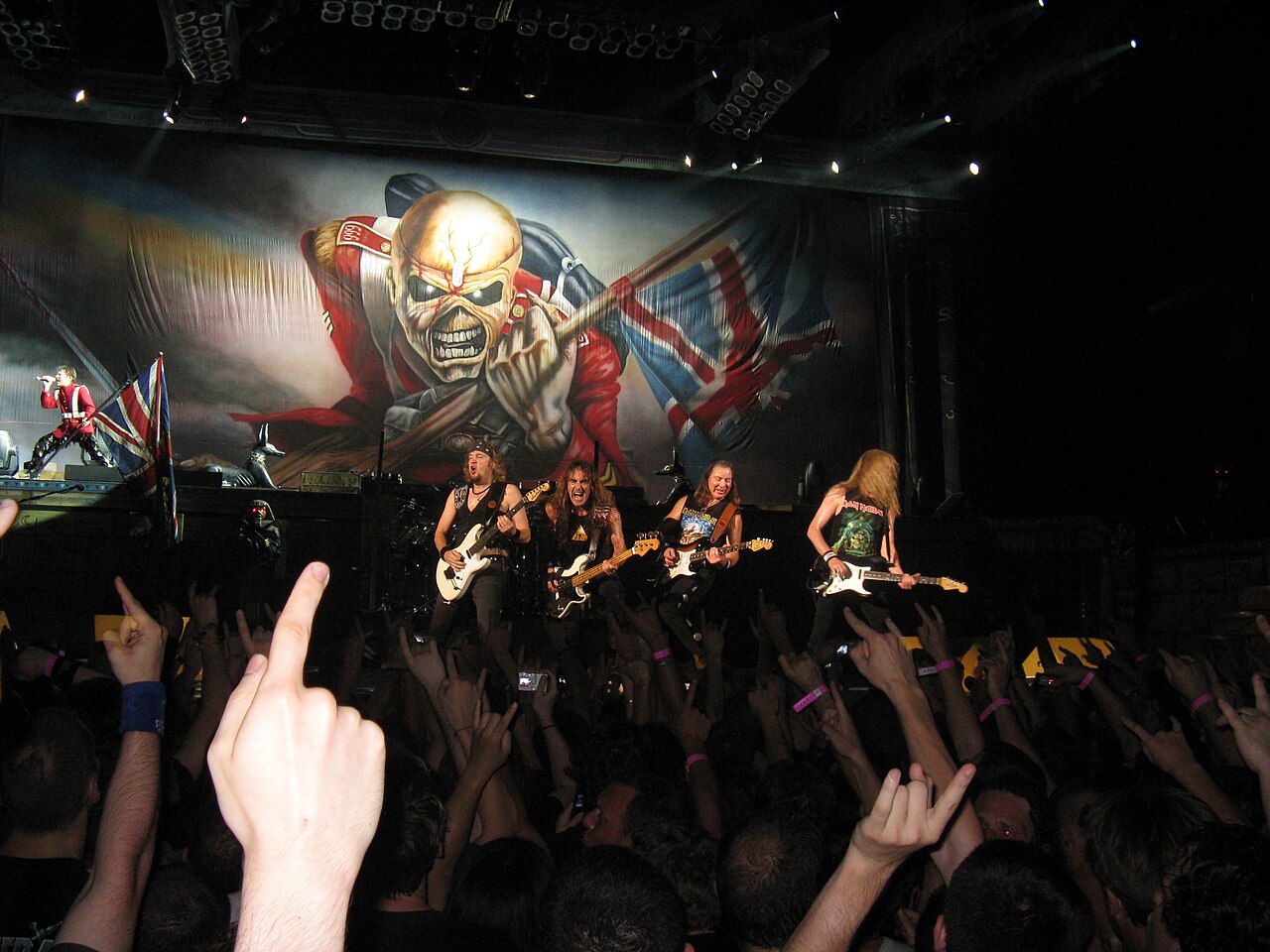
The name Iron Maiden grew out of Steve Harris seeing a film adaptation of The Man in the Iron Mask and its association with the iron maiden torture device. It also became the title of one of the band’s earliest songs. The attraction was the frightening image, rather than a particularly subtle metaphor.
That song helped shape the band’s stage spectacle, too: early performances included theatrical effects that eventually fed into the development of Eddie, their mascot. A threatening name became a song, and a song helped produce a visual identity. Underneath the horror, Harris was pursuing fast, heavy music with melody. Maiden could make the guitars harmonize beautifully while the packaging promised something much nastier.
27Jethro Tull: The Frontman Didn’t Know Whose Name He Was Using
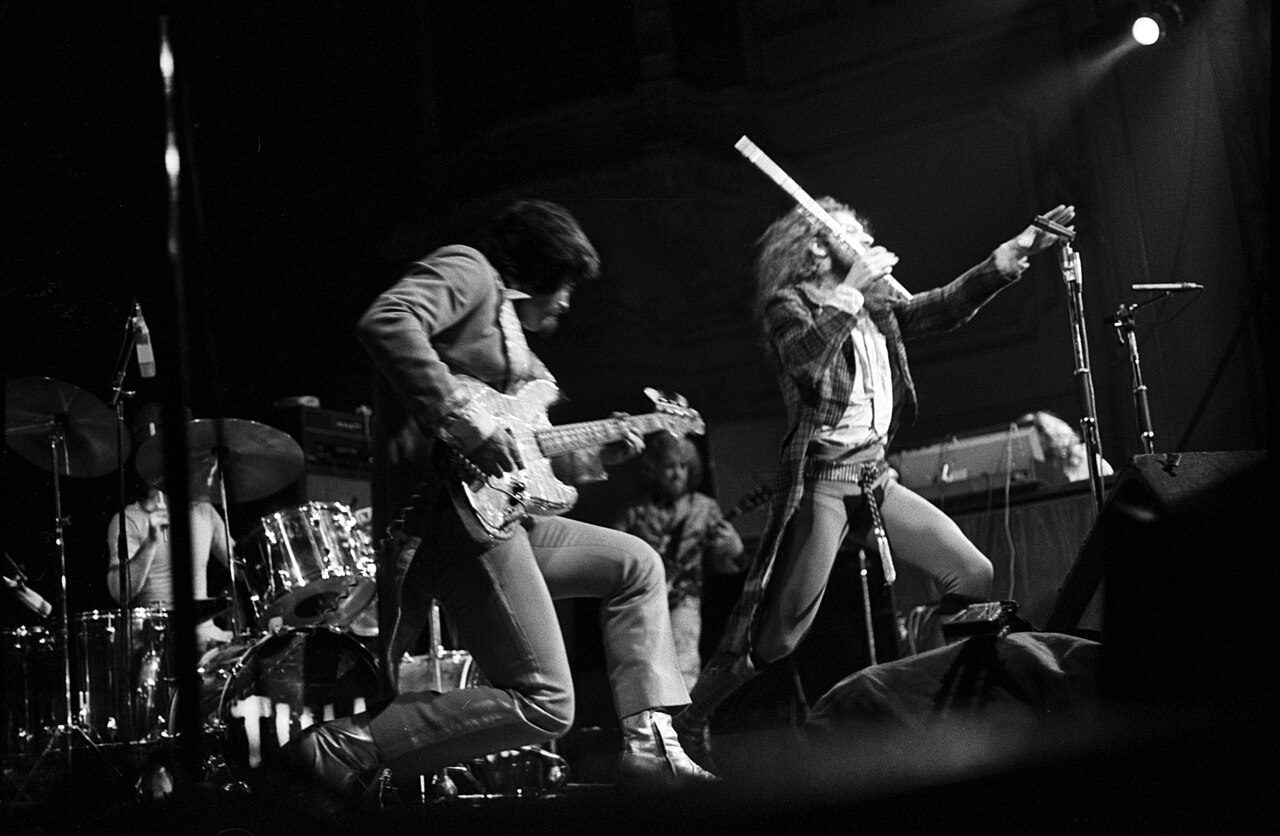
Ian Anderson initially thought Jethro Tull was a name his agent had invented. He later learned that the original Tull was an agricultural pioneer associated with the seed drill. By Anderson’s account, the band had been changing names frequently while struggling to get rebooked. This one stuck after they gained a foothold at London’s Marquee Club.
So the man many casual listeners assume is Jethro is actually Ian, and the actual Jethro belongs to farming history. Anderson has expressed mixed feelings about borrowing a real person’s identity, even while respecting the namesake. The mismatch remains delightful: an agricultural innovator’s name attached to a group whose flute, blues roots, and winding arrangements made it difficult to mistake for anyone else.
28The Clash: The Answer Was Hiding in the Headlines
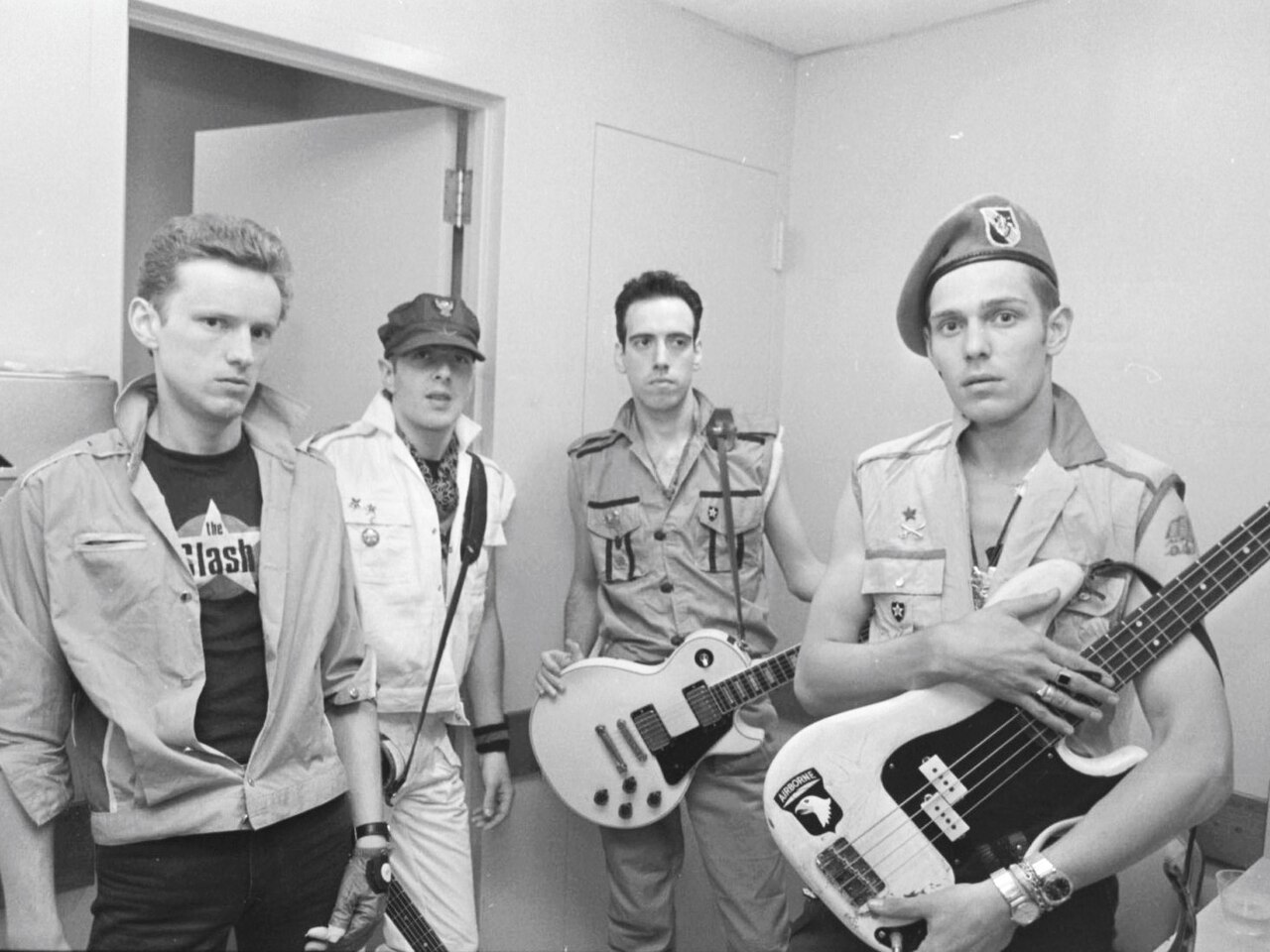
Bassist Paul Simonon found the band’s name in the language of the newspapers. As Strummer biographer Chris Salewicz recounts, “clash” kept appearing in coverage of conflict, including industrial disputes. Simonon recognized a word that could travel from the newsprint to the stage without losing its force.
It is a name that makes contact. The hard opening consonants promise collision, and the band’s songs supplied plenty: punk guitar up against reggae rhythm, immediate anger meeting a bigger view of the world. A newspaper could use the word to describe opposing sides. A band could use it to insist that music belonged inside those arguments, with the audience close enough to feel the impact.
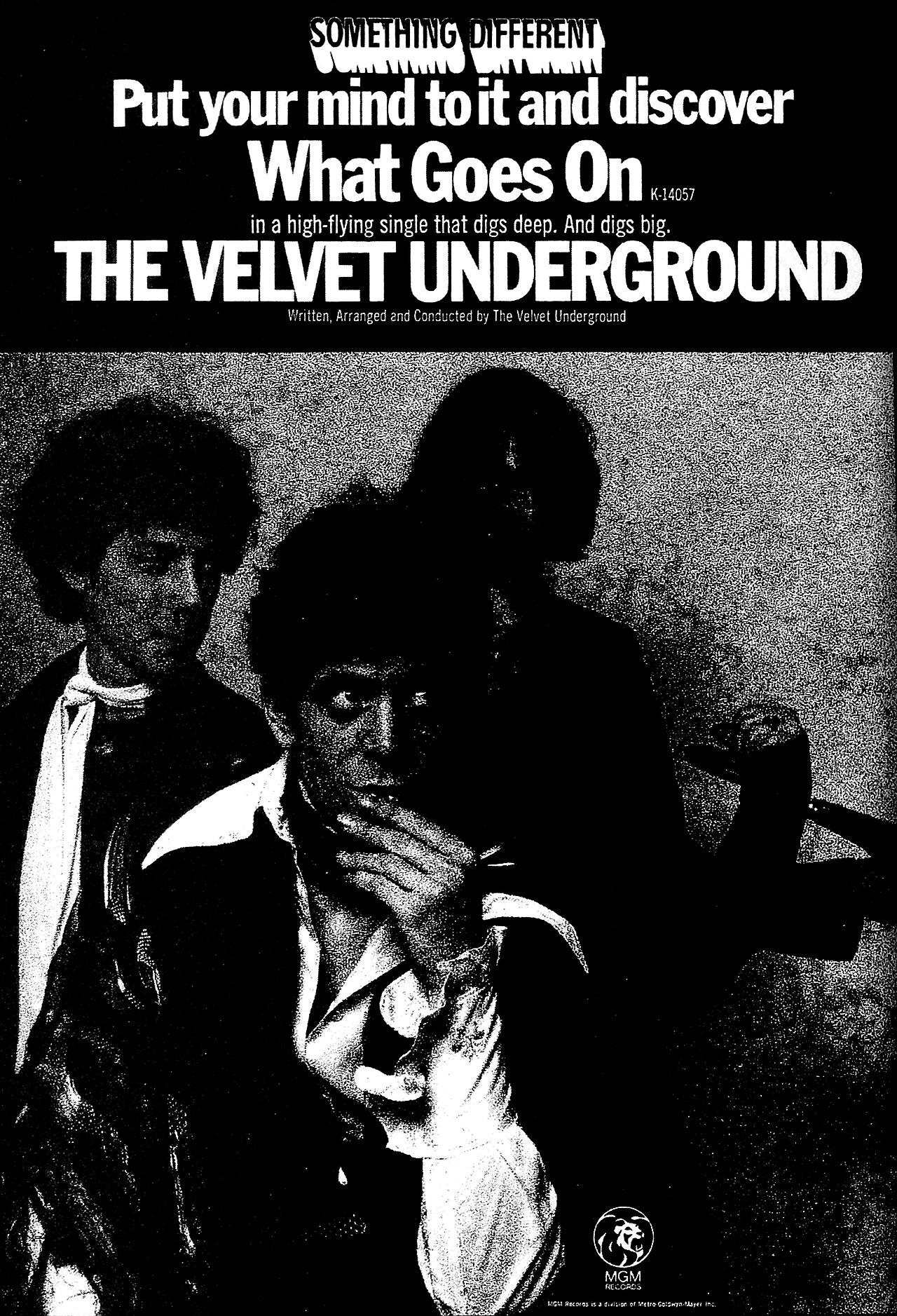
29The Velvet Underground: Their Name Came From an Unconventional Book
The Velvet Underground took their name from Michael Leigh’s 1963 paperback about hidden adult subcultures. The book’s route into the band’s orbit is disputed, but the title itself is the connection. It also evoked the experimental film underground around the New York musicians, giving them a phrase that could cover more than the book’s subject matter.
The two words still pull in different directions. Velvet feels soft. Underground suggests something excluded from polite daylight. Lou Reed’s songs could be tender, abrasive, or uncomfortable, and the band could make a drone feel as consequential as a pop chorus. The name offered room for all of it without explaining away the friction. You could enter expecting softness and find the walls shaking.
30Joy Division: The Horror Hidden Inside Those Two Cheerful Words
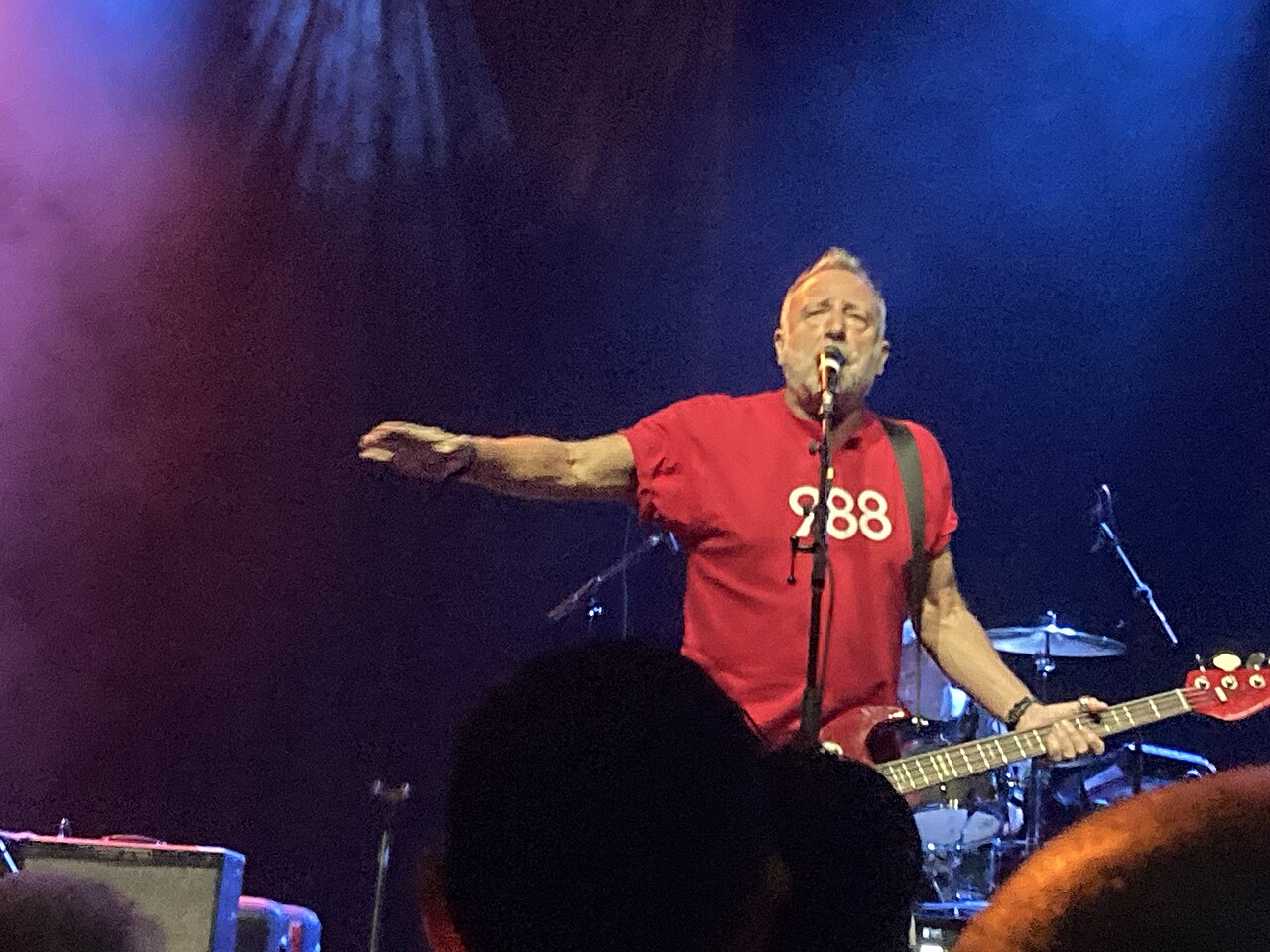
Before Joy Division, there was Warsaw, a name drawn from David Bowie’s “Warszawa.” To avoid confusion with Warsaw Pakt, the Manchester group changed names again. Joy Division came from House of Dolls, a novel by a Holocaust survivor, where the phrase refers to sexual enslavement in a Nazi concentration camp.
This origin deserves plain language. The phrase masks atrocity, and using it led to accusations about the band’s politics. It should not be treated as a charming piece of gothic trivia or proof of a musician’s beliefs. The distance between those cheerful-sounding words and their source is the disturbing part, a reminder that a memorable name can carry history much heavier than its syllables suggest.
31Steely Dan: The Literary Inside Joke Behind the Name
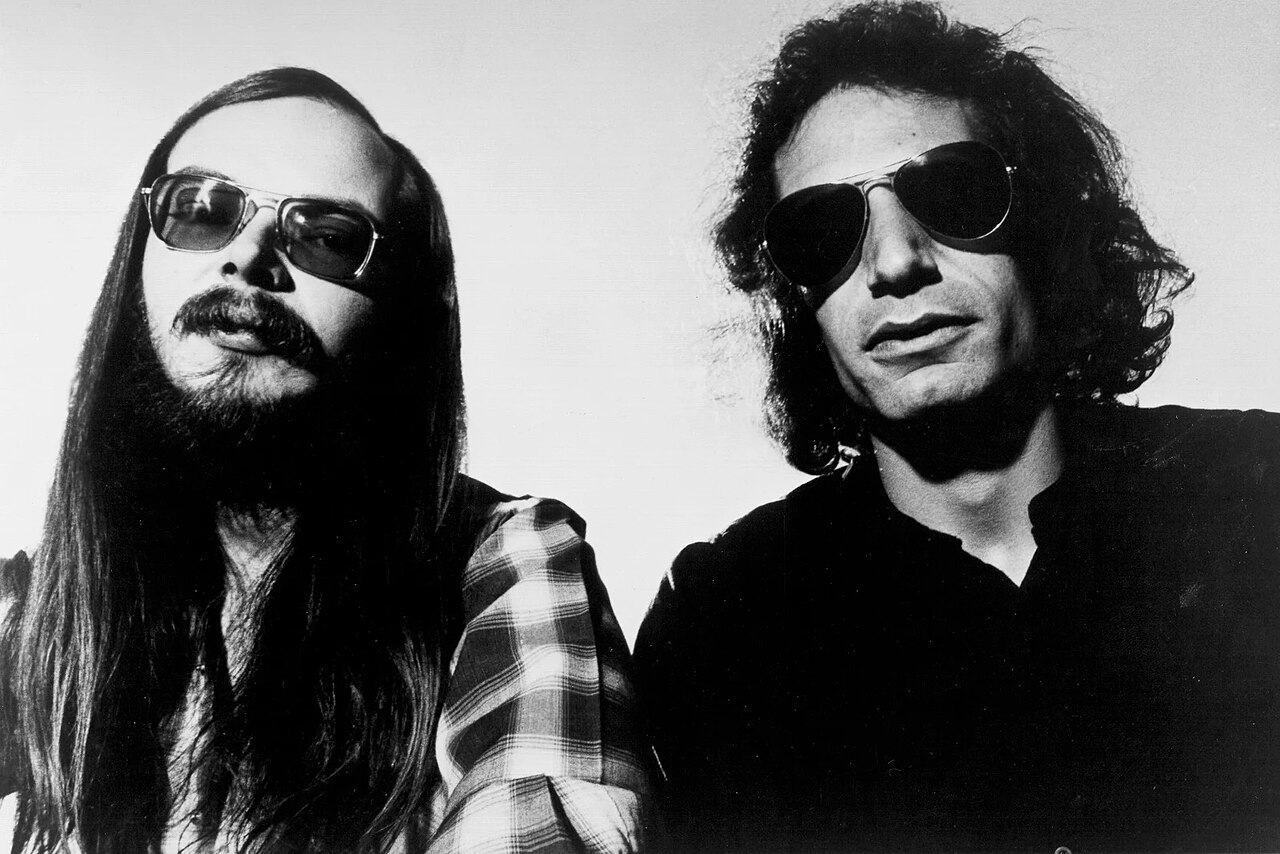
Steely Dan was the name of an adult device in William S. Burroughs’s Naked Lunch before it was a band. Donald Fagen told Terry Gross that he and Walter Becker were Burroughs fans, needed a name quickly, and regarded the choice as an inside joke. They did not expect the group to last long. Eventually, he observed, the name came to mean the band instead.
It is a small trap set for anyone who mistakes polished music for respectable intentions. Steely Dan’s jazz-shaped chords and precise grooves can make an ugly situation sound luxurious. The name performs a similar maneuver: it seems sturdy, perhaps even reassuringly ordinary, until somebody opens the book. The adult joke was there before the studio sheen. It just became easier to miss.
32Metallica: Lars Ulrich Found the Name on Someone Else’s List
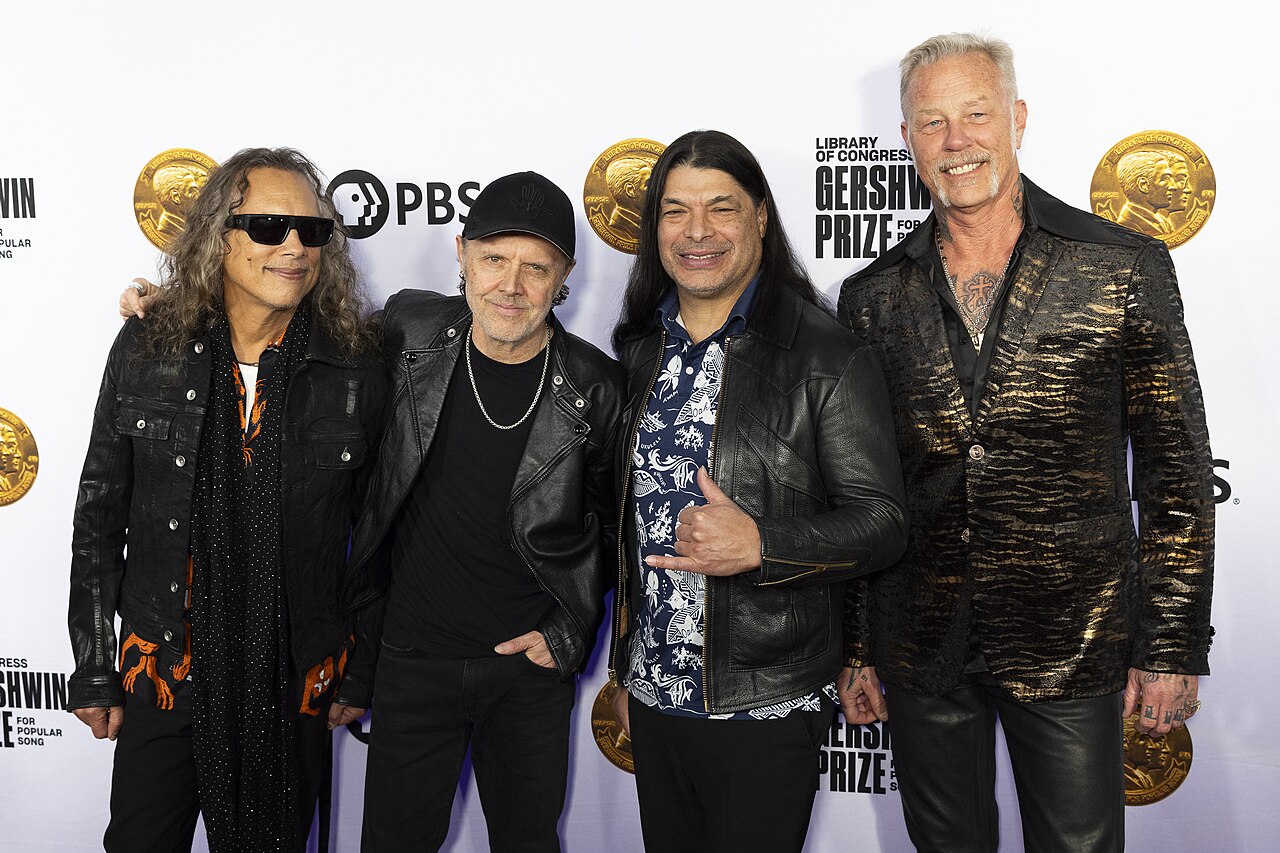
Metallica could have been a magazine. Ron Quintana was considering names for a metal fanzine, and Metallica was one of the possibilities. James Hetfield recalled that Quintana went with Metal Mania, while Lars Ulrich kept the other choice for the band. Hetfield also remembered a considerably less printable proposal from Ulrich.
The winning name sounds almost inevitable now, as if somebody had condensed an entire genre into a word. But it emerged from the same small scene that was trading tapes, making flyers, and getting excited about a handful of fans. One person’s unused title became another person’s identity. Quintana got his publication. The other name eventually filled arenas.
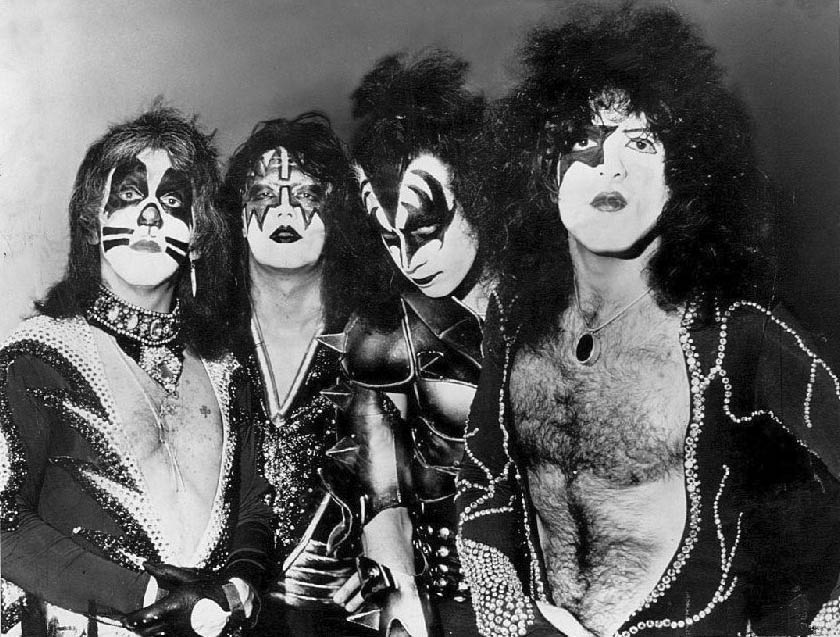
33Kiss: Gene Simmons’s Alternative Was a Lot Less Printable
Gene Simmons remembered the naming discussion happening in a car, with Paul Stanley driving. Simmons’s proposal was to call the band F, then give the records titles that completed a crude phrase. Stanley offered Kiss instead. In his own account, Stanley emphasized a word that people would recognize and could interpret in different ways, from affection to finality.
That range suited a band whose stage costumes could be cartoonish and menacing at once. The name is short enough to shout, simple enough to remember, and capable of suggesting something sweet or something dangerous. Simmons’s alternate idea might have supplied a few album-cover jokes. Kiss gave them a word they could keep stretching.
34Guns N’ Roses: The Guns Part Was a Person
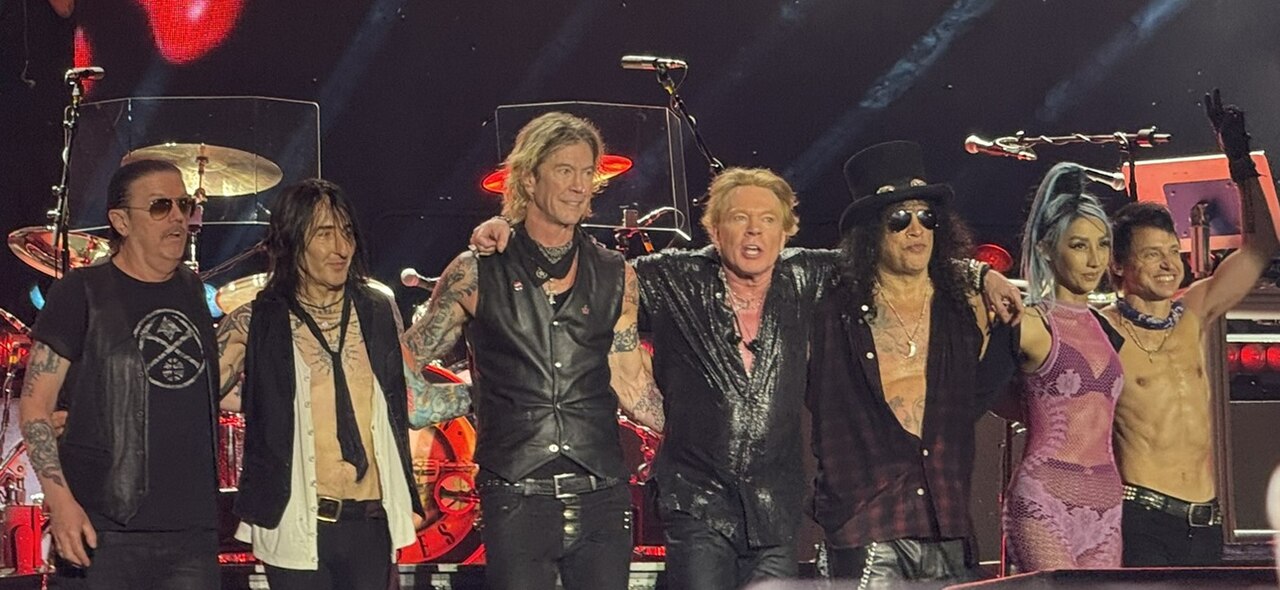
Guns N’ Roses sounds like somebody paired danger with romance. The practical ingredients were closer to home: guitarist Tracii Guns and singer Axl Rose. In SPIN’s oral history, Guns recalled the two continuing to write together after Rose’s stint in L.A. Guns, then combining their names for the new group. Hollywood Rose was also part of the musicians’ tangled early history.
It is a remarkably effective name for something assembled from people already in the room. Guns supplies the hard edge. Roses supplies a little beauty, or at least the possibility of it. Then Tracii Guns left the group and Slash took the guitar position. The name retained a founder whose playing would not be on the band’s breakthrough album.
35Soundgarden: Their Namesake Could Play Itself
Soundgarden borrowed their name from an artwork at NOAA’s Seattle campus. The sculpture uses pipes and wind vanes to produce sound when the wind moves through it. NOAA itself records the band’s connection to the installation. Before the word meant Chris Cornell’s voice and a wall of guitars, it belonged to a structure that made music without a singer.
The connection is unusually literal for a rock name. A garden of sound already existed, and the band took its title into a different setting. There is a pleasing contrast between wind finding its way through pipes and musicians deliberately pushing air through amplifiers. Both can turn something invisible into a physical experience, though only one needs a drummer.

36Alice in Chains: The Name Survived a Band That Didn’t
Layne Staley had a band before the Alice in Chains most listeners know. That earlier group started as Sleze and adopted the name Alice N’ Chains. Producer Tim Branom, who worked on its demos, recalled the changes and the later use of Alice in Chains by Staley’s group with Jerry Cantrell. The singer carried a naming idea into a different lineup.
It is easy to hear the eventual band’s dark, close vocal harmonies and assume the name was built specifically for that sound. Its history is less direct. Names can move between projects while the music changes beneath them, and a choice made by young musicians can acquire a seriousness they could hardly have planned. The chains were already in place before the familiar records arrived.
37Stone Temple Pilots: An Oil Can and a Private Joke Led to the Name
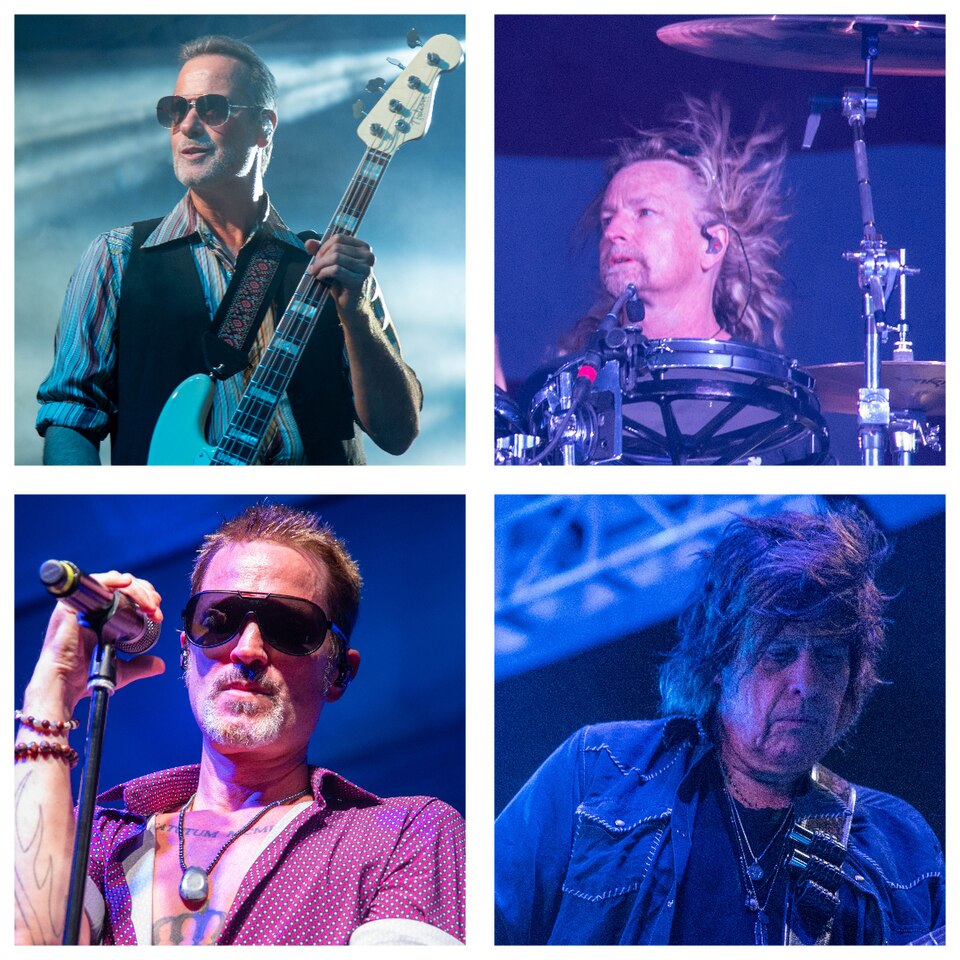
Stone Temple Pilots had recorded their debut as Mighty Joe Young when they learned that a blues musician was already using the name. Scott Weiland recalled looking at an STP oil can in his room while considering replacements. Those letters produced a rapid sequence of possibilities, including crude jokes and Stereo Temple Pirates, before the group arrived at Stone Temple Pilots.
The initials came first. The grand-sounding words followed. That is a good antidote to overthinking the name as a mystical declaration: the band was trying to solve a practical problem, and an object in the room supplied the boundaries. The finished version left listeners room to imagine ancient ruins and airborne adventures without having to explain the discarded jokes.
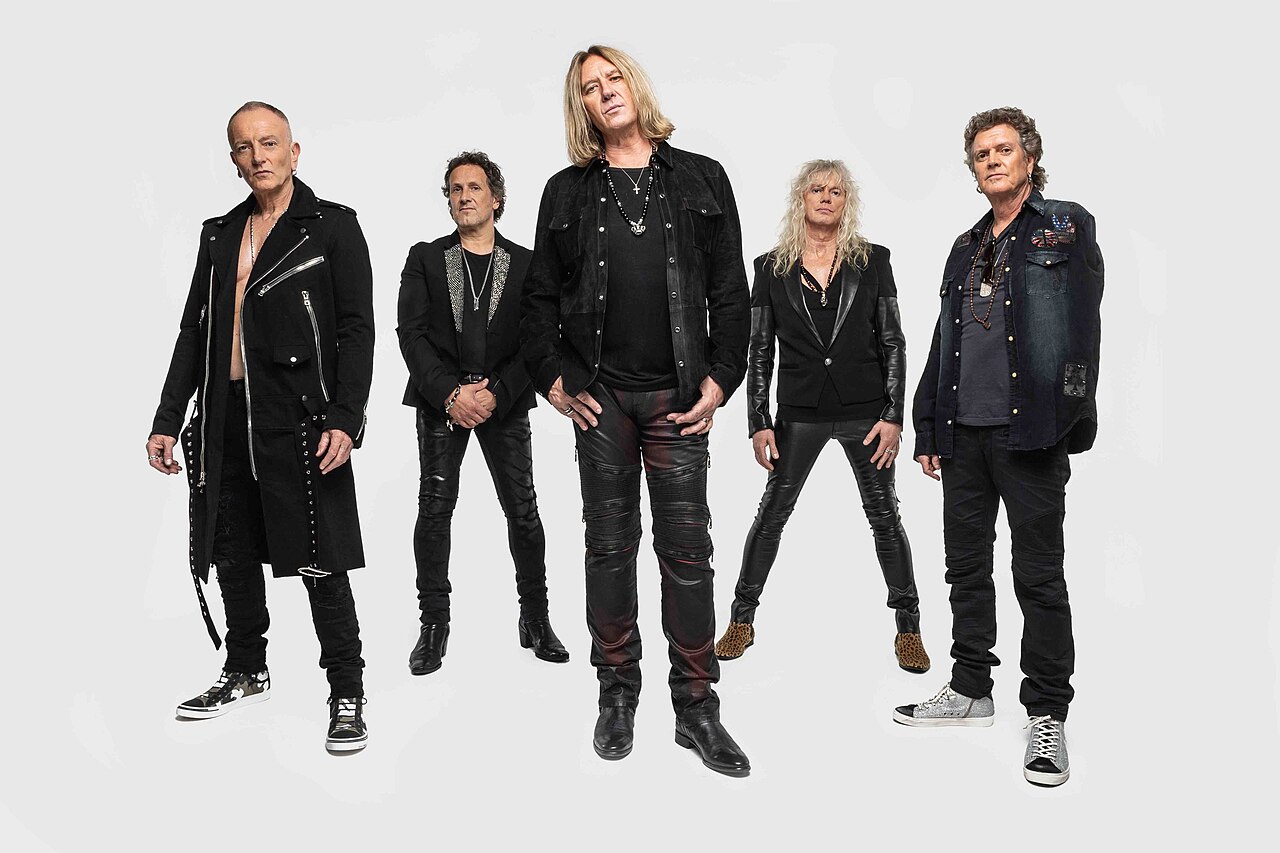
38Def Leppard: The Name Belonged to an Imaginary Band First
Joe Elliott dreamed up Deaf Leopard before he had a real group to put it on. Def Leppard’s official biography describes the imaginary band as part of his youthful ambition. When he joined Atomic Mass, that idea helped supply the group’s new identity, now written Def Leppard. The band caught up with the name.
That reversed order is familiar to anyone who has designed a logo before learning three chords. What makes this version satisfying is the distance the musicians traveled afterward. The misspelled animal name came to suggest bright guitar hooks and choruses engineered for a crowd, rather than a private fantasy. Elliott had imagined a band. Eventually, thousands of people could sing it back to him.
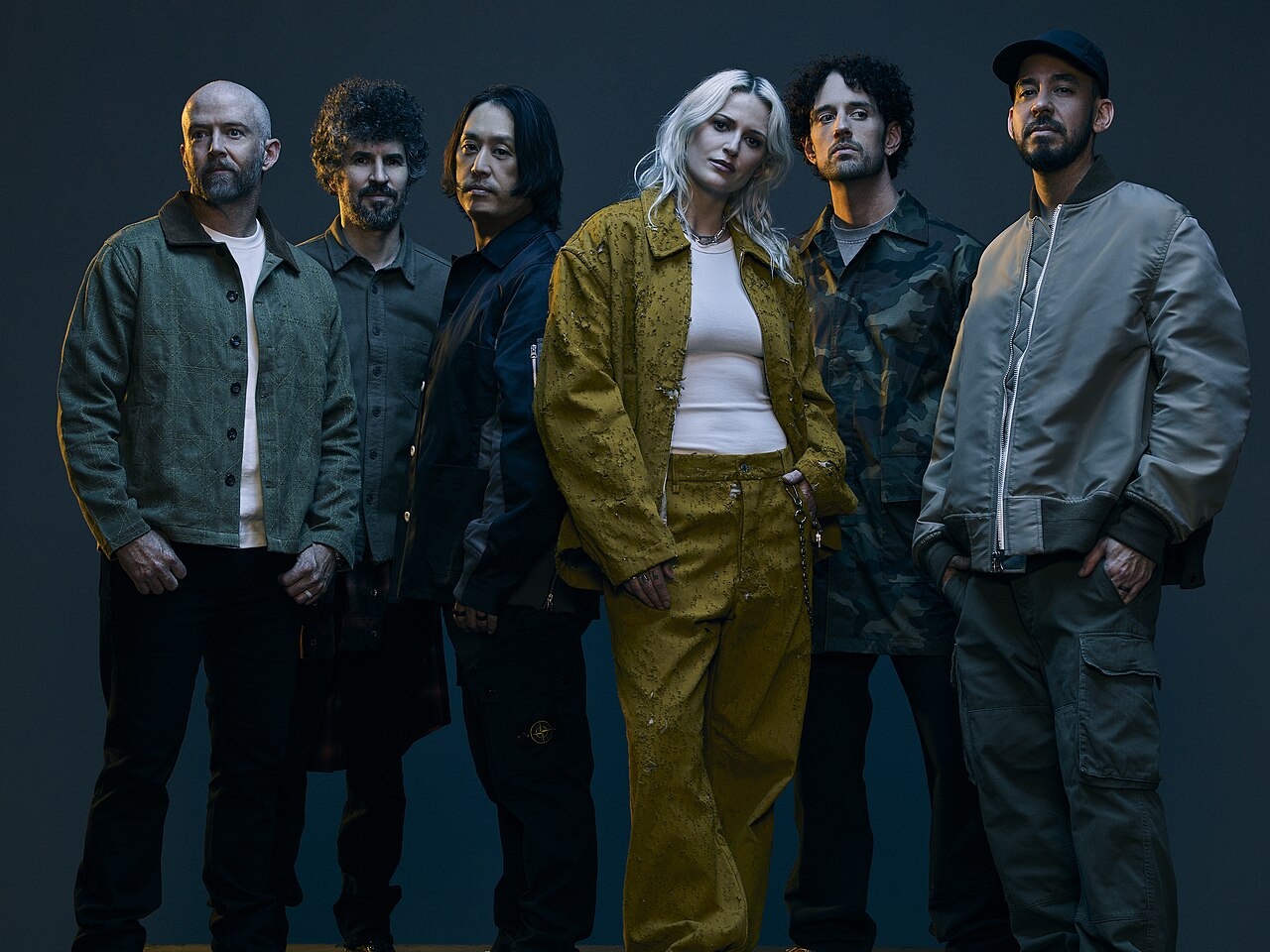
39Linkin Park: The Internet Changed the Spelling
Linkin Park had to give up Hybrid Theory as a band name, although they kept it for their debut album. The replacement came from Lincoln Park in Santa Monica, with the spelling altered so the group could secure a website address. An early ABC News report also recorded an unintended benefit: radio stations elsewhere sometimes assumed the band was local, because so many places had a Lincoln Park.
The missing letters had consequences beyond a distinctive logo. The name sounded recognizable without tying the music to one genre, and the spelling gave it a separate identity online. While some groups borrowed from poets, horror films, or the blues, this one had to consider whether fans could find the website. Rock naming had entered the address bar.
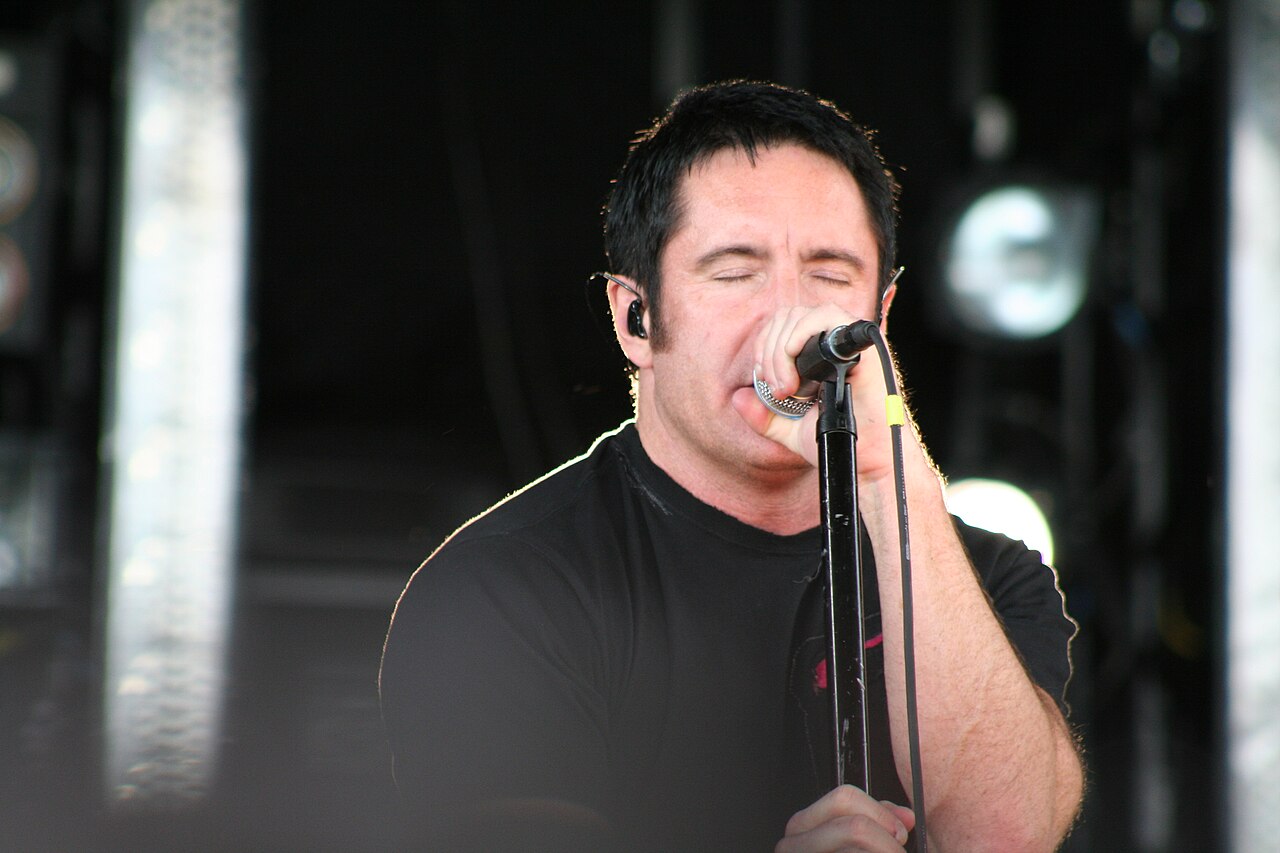
40Nine Inch Nails: The Name Passed a Surprisingly Ordinary Test
Trent Reznor’s explanation was more practical than the name’s threatening imagery suggests. In a 1994 Axcess interview, he said he had considered roughly 200 possibilities. Nine Inch Nails still appealed to him after two weeks, looked good in print, and shortened easily. He also said it had no literal meaning.
That leaves a useful gap between the artist’s choice and the listener’s imagination. The words suggest hardware and impact, which suit music that can make a beat sound like machinery striking machinery. Reznor did not need a secret history for the phrase to work. He needed something that still sounded right after the initial excitement wore off, and three letters fans could recognize immediately.
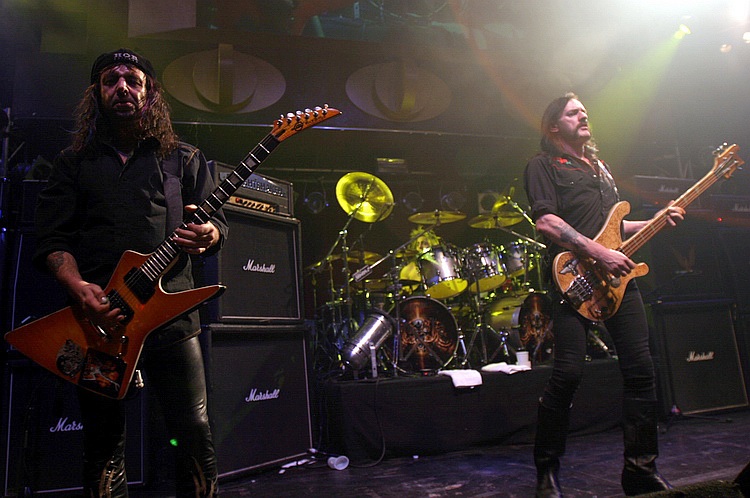
41Motörhead: Lemmy’s First Choice Was Too Rude for TV
Lemmy wanted to call his new group B*stard. He later clarified that it was an idea, rather than a name the band properly operated under. His manager pointed out the difficulty of getting such a group onto Top of the Pops. Motörhead was also the title of a song Lemmy had written for Hawkwind, with the word carrying slang associations with stimulant use.
The replacement hardly promised good behavior. It suggested momentum and a mind running too fast, which is a fairly useful introduction to Lemmy’s music. Yet it could appear on a poster without the same immediate argument over the wording. A name that sounded like an engine revving became the workable option after the more openly insulting one was parked.
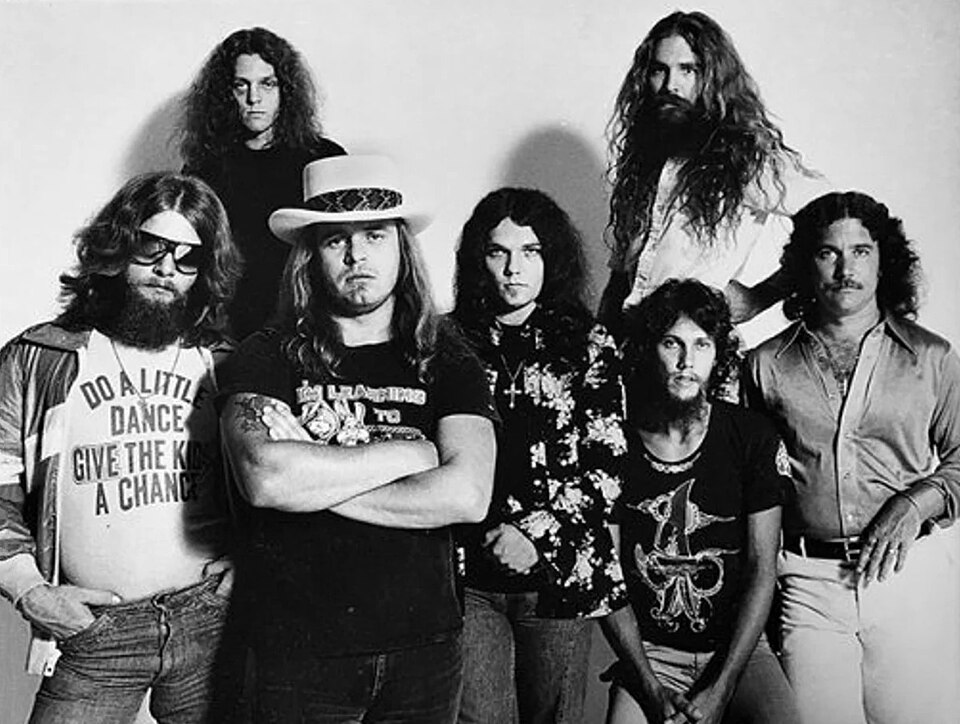
42Lynyrd Skynyrd: The Teacher Was Real, and Fans Started Calling Him
Leonard Skinner was a coach at the Jacksonville high school attended by members of the future band. His daughter told local broadcaster News4JAX that he sent students to the office because their hair violated the dress code. The musicians used his name for their group, eventually adopting the altered spelling Lynyrd Skynyrd.
The joke followed him beyond school. Skinner later worked in real estate, and a photograph of his business sign appeared inside the band’s second album. His family recalled fans stealing signs and calling the office number printed on the sleeve. One late-night caller, his wife remembered, simply wanted to find out whether he was real.
There is a particularly rock-and-roll reversal here. The adult enforcing the rules became part of the identity of the long-haired musicians breaking away from them. A name that began with a school grievance ended up connecting a teacher, his family, and strangers who knew the records. The band made the joke famous enough that people picked up the phone to meet its punchline.