
Keith Richards spent years contending with substance use. He smoked cigarettes for more than half a century before quitting. He made it into his 80s anyway.
That history alone would explain the fascination with his survival. But there was also the electrical shock that knocked him unconscious onstage. The wrecked Bentley. The bathroom fire. The fall in Fiji that left him needing brain surgery.
Richards has become rock’s favorite medical mystery. How did one person get through all of that? The stories involve luck, doctors, addiction treatment, and people who stepped in when things went wrong. They also involve Richards himself, who could turn a question about his health into a rumor that lasted for decades.
He made extraordinary claims about his father’s ashes and about treatment in Switzerland. Those stories became part of the same legend as the hospital visits and arrests. Some incidents have court records, eyewitness accounts, or footage behind them. Others come from Richards, whose versions have sometimes changed. Here are the close calls and claims that made people wonder what could possibly stop him.
01Blue Sparks, Then Keith Hit the Floor
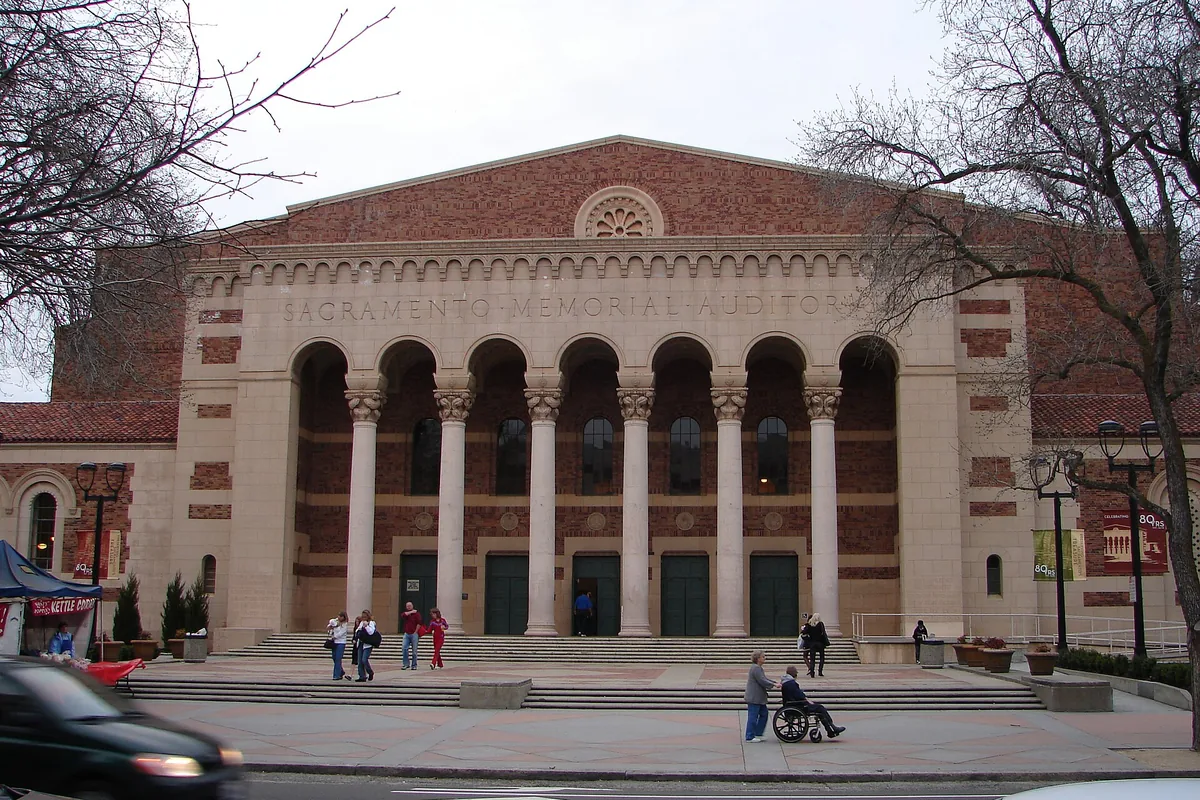
The Stones were four songs into their second Sacramento show on December 3, 1965. They were playing “The Last Time.” Richards’ guitar touched an ungrounded microphone stand, blue sparks flashed, and he collapsed.
The electrical crack was so loud that promoter Jeff Hughson initially feared an attack. The Sacramento Bee’s later account describes the surge damaging Richards’ guitar strings. Richards lost consciousness and was taken to an emergency room. A piece of equipment he used every night had put him on the floor in an instant.
Mick Martin, a local musician who attended as a teenager, later helped the Bee reconstruct the accident. There were about 5,000 people at that performance, according to the paper. From the audience, the first signs of trouble were the flash, the noise, and Richards going down. Hughson’s initial reaction shows how little time anyone had to work out what happened.
Richards later said a physician credited his new Hush Puppies with saving his life. The shoes had rubber soles. That explanation comes from Richards’ recollection of what the doctor told him, rather than an available medical report.
The Stones played San Jose the next night. Richards was back with a guitar in his hands, one day after being taken from a show for emergency treatment.
02The Bathroom Was Burning. He Wanted Privacy.
During the Stones’ 1972 tour, Richards and saxophonist Bobby Keys stayed at the original Playboy Mansion in Chicago. In Richards’ account, the two settled on a bathroom floor with a doctor’s bag containing substances they intended to use. The evening did not stay private for long.
Then the room filled with smoke. Richards recalled that it became so thick he could barely see Keys. His memoir, Life, describes smoldering drapes and staff arriving with buckets of water. In a later interview, he remembered flames as they left the bathroom.
His response to the people coming in was the part he kept returning to. He thought they were interrupting a private occasion. While the staff dealt with the fire, Richards was concerned about their decision to enter the room.
The account rests on his published recollections. No independent fire report establishes exactly how it started or how far it spread. The familiar claim that he almost burned down the entire mansion goes beyond what those accounts establish.
03They Thought He Couldn’t Hear Them
In a 2007 NME interview, Richards was asked about his worst experience with substances. He described an incident in Switzerland involving what he said was a contaminated supply.
He remembered being unable to move or respond while remaining aware of the people around him. They believed he had died. He could hear them and knew he was alive, but could not make them understand that.
No medical record independently confirms the substance or explains what happened. Richards did not give a dependable date, and his account does not establish that he was clinically dead. It describes what he remembered as a terrifying experience.
Richards recovered. Years later, when asked about his worst experience, he chose the one in which he could hear people discussing him while he was unable to respond.
04The Conflicting Accounts of His Father’s Ashes
A question about Richards’ most outlandish behavior produced an extraordinary answer in a 2007 NME interview: a claim involving his father’s ashes.
Bert Richards had died in 2002. In the original published account, Richards said he mixed some of his father’s ashes with a stimulant and inhaled them. The remark became international news. A publicist then dismissed it as a joke.
Richards’ own statement complicated the story. He described planting an English oak and using his father’s ashes around it. He also denied mixing the ashes with anything else. That could have ended the episode as another outrageous remark that had got out of hand.
But in August 2007, Richards told NME that part of the ashes account was true after all. He said a little had spilled onto the dining table when he opened the container. He did not want to sweep his father into a dustpan. This version omitted the mixture described in the first interview.
The published interview, denial, and later account are all on record. What Richards actually did with the ashes has not been independently established. It belongs among the stories he told about himself, rather than among his documented medical emergencies.
Richards said Bert would not have minded. The account kept following him long after the first denial.
05The Story About His Swiss Treatment
The rumor offered a simple explanation for Richards’ survival. When years of excess caught up with him, he went to Switzerland for a complete physical reset. He could then return to work apparently renewed.
The story was associated with his 1973 stay in Switzerland. Tony Sanchez’s account of life around the band described a doctor helping Richards rapidly through a treatment said to replace his blood.
Richards later said he had invented the complete-replacement story because he was tired of questions about getting clean. He gave people an outrageous answer, and they repeated it.
There are also accounts of a different procedure. Biographer Victor Bockris described a filtering treatment, which is distinct from a complete replacement. Snopes examined those accounts and rejected the claim that a complete transfusion had cured Richards’ addiction. The descriptions of the treatment and its timing do not all agree.
The full transfusion remains a legend, not an established explanation for his health. Richards helped create it by saying something people were prepared to believe. Once the story was out, his later explanation had a much harder time catching up.
06The Bentley Ended Up in a Field With His Son Nearby
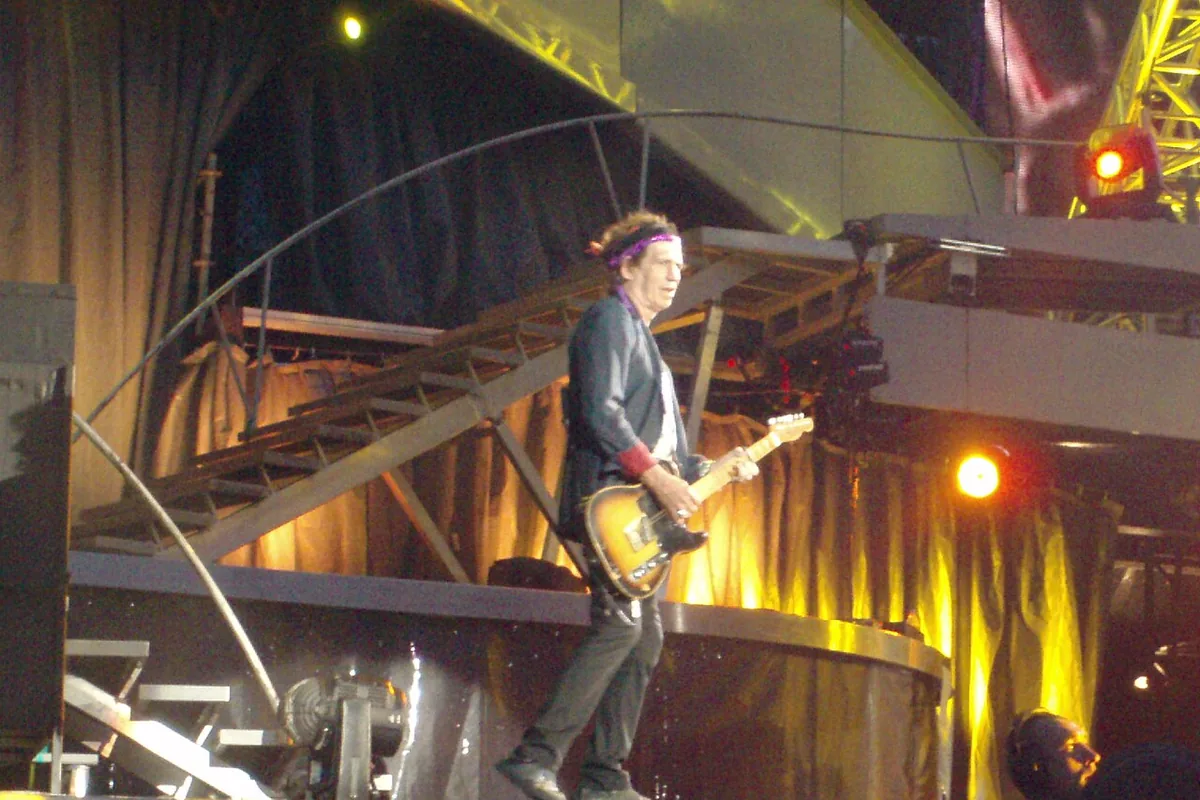
Shortly before 4 a.m. on May 19, 1976, Richards’ Bentley left the M1 near Newport Pagnell. It went through a hedge and a fence before coming to rest in a field. The car was badly damaged.
Contemporary court reporting describes police finding Richards and others near it. One was his son Marlon, who was seven. The report does not establish why the car left the road.
The investigation led to a drug case. Police alleged they found LSD on a piece of paper and cocaine residue in an object recovered from the car. Richards denied both charges. The case went to trial in Aylesbury the following January.
He was convicted of cocaine possession, acquitted on the LSD count, and fined £750. The distinction between the two outcomes is often lost when the wreck is retold as another general brush with the law.
Richards arrived for the proceedings in a gold Rolls-Royce. The Bentley was damaged, but he still had another expensive car to bring him to court. The harder detail to get past was Marlon standing near the wreck before dawn.
07He Swung the Guitar and Went Back to Playing
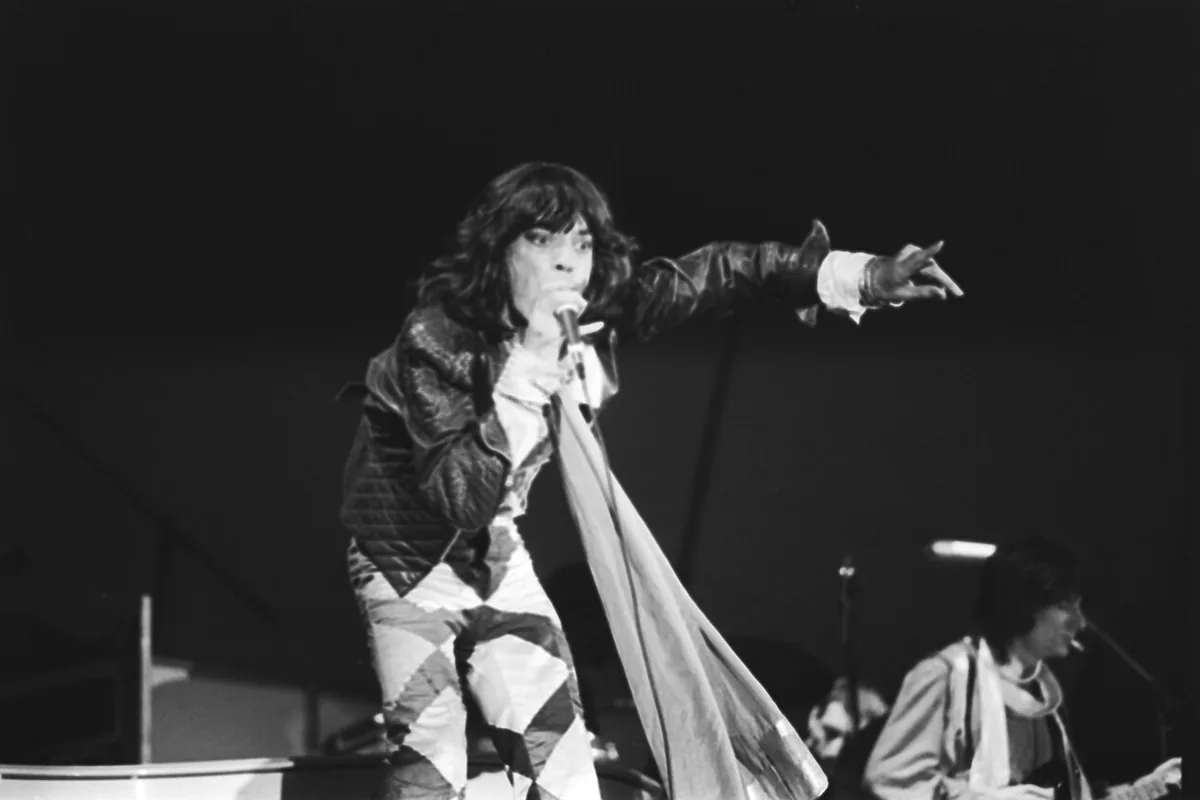
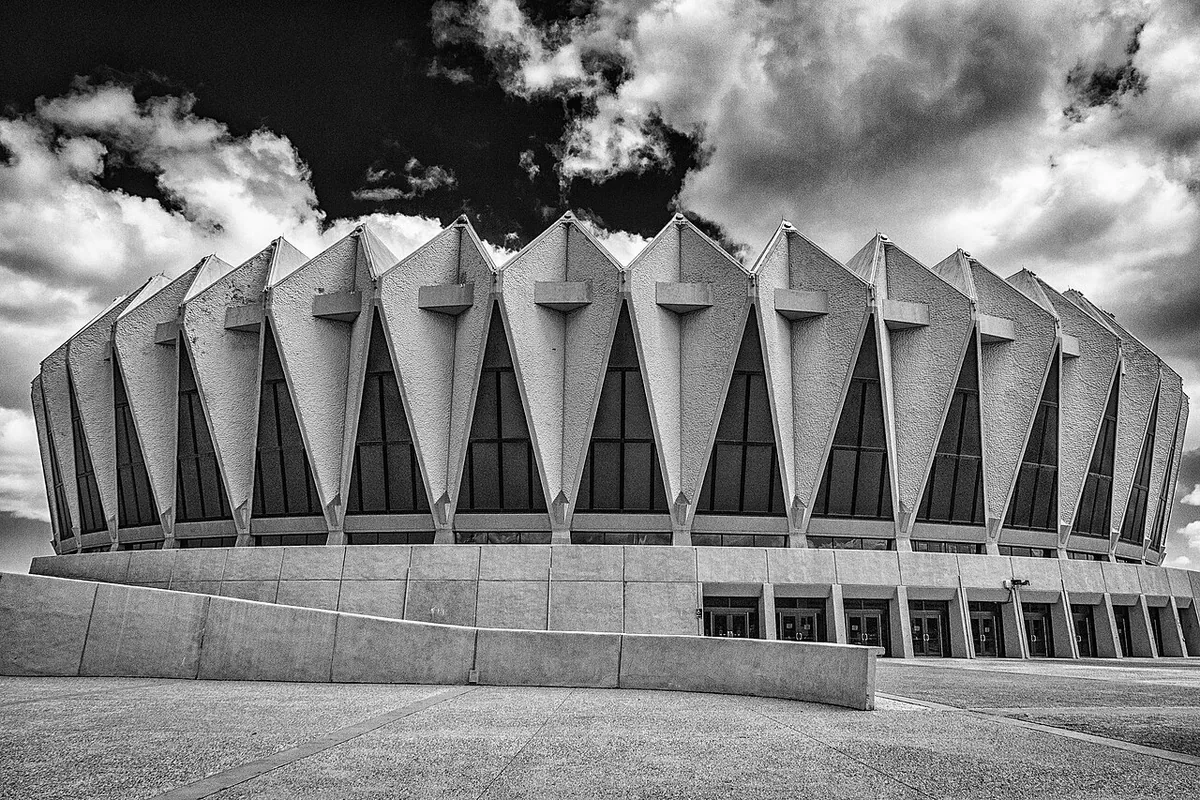
It was Richards’ 38th birthday, December 18, 1981. The Stones were playing “(I Can’t Get No) Satisfaction” at Hampton Coliseum in Virginia when a man ran across the stage toward Mick Jagger.
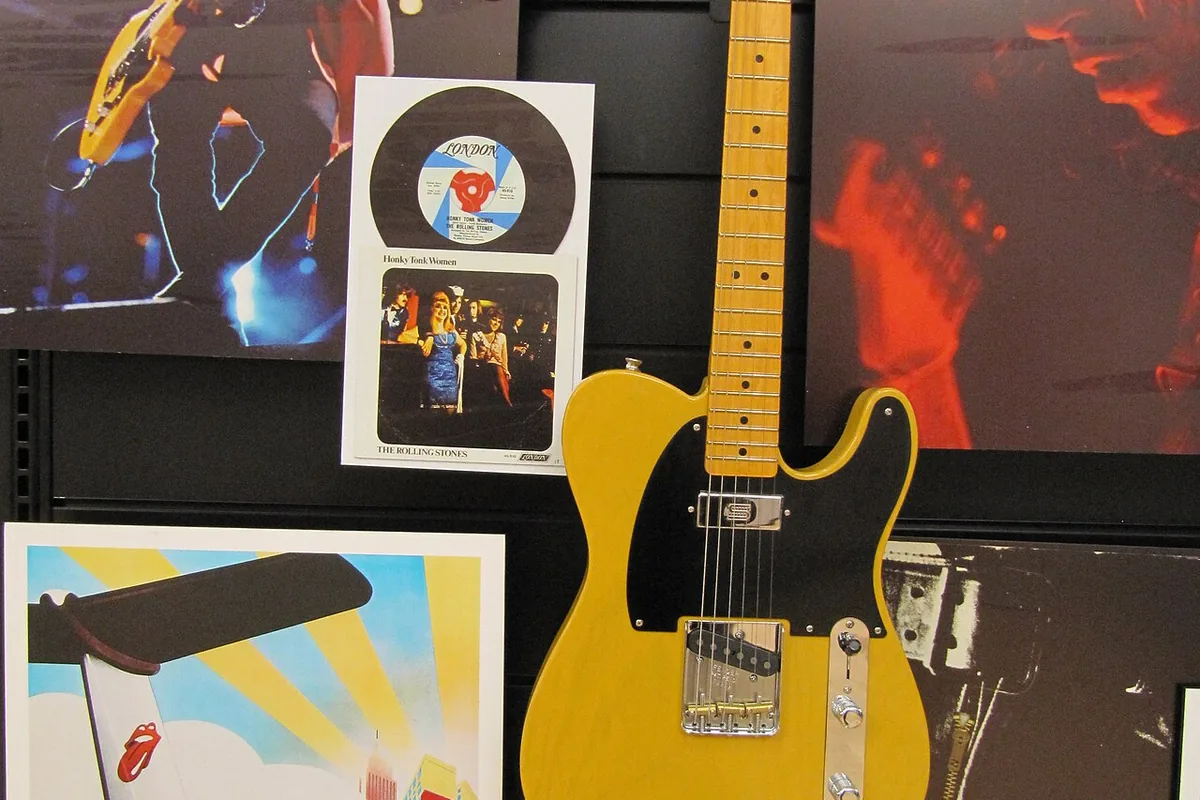
Richards took off his Telecaster and swung it at him. He then put the guitar back on and resumed playing. The incident appears in the officially released concert footage.
Richards later said security was too far behind the man to reach him before he reached Jagger. He did not know what the intruder intended. He reacted to someone moving toward his bandmate.
The man’s intentions remain unknown, and the footage does not establish that he was armed. Richards’ account supplies the reason he acted. The film shows how quickly he did it.
He later said he was worried about knocking the man into Charlie Watts’ drums and disrupting the performance. He also said the Telecaster stayed in tune. After the confrontation, he could carry on with the same instrument.
There was one more part to his account. Richards said he bailed the man out afterward and was still owed $200.
08The Crowd Tore Up the Ballroom
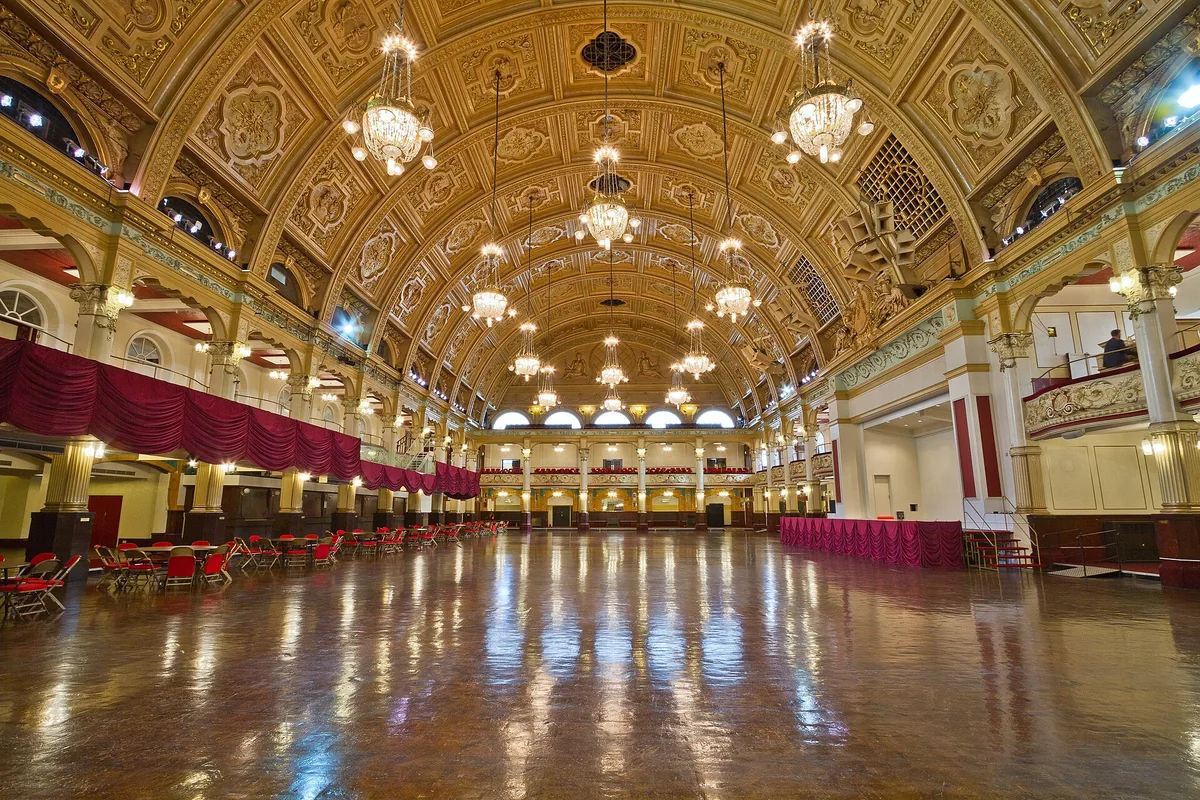
The Stones’ July 24, 1964, show at Blackpool’s Empress Ballroom ended in a riot. The band left the stage. A local history puts attendance at roughly 7,000 and reports that about 50 people were taken to hospital.
Richards later recalled audience members spitting at the band and a fork hitting him. Those details come from his account. The wider disturbance and the damage to the room were reported separately.
The wreckage included chandeliers, seats, and a Steinway grand piano. It was more than a crowd pressing toward the stage. A performance had broken down into a disturbance that injured people and damaged the venue.
Blackpool banned the Stones afterward. The ban stayed in place for decades, even as the group became one of the biggest touring acts in the world.
In 2008, the council formally lifted it. Forty four years after the riot, Blackpool was ready to have the Stones back.
09A Judge Sentenced Him to a Year in Prison
Police raided Richards’ Redlands home on February 12, 1967. The case led to his conviction for allowing the premises to be used for smoking cannabis. He received a prison sentence of one year.
That would have taken him away from the Stones during a busy period of recording and performing. Instead, he was released on bail while he appealed. He did not serve the year.
On July 31, the Court of Appeal overturned his conviction and sentence because the evidence was insufficient. A case that had threatened a long period in prison ended with the conviction being quashed.
The result is sometimes compressed into a story about Richards being arrested and walking free. There was a sentence between those two events. For several weeks, he faced the possibility of spending a year in custody if the appeal failed.
10The Gold Records Made His Explanation Difficult
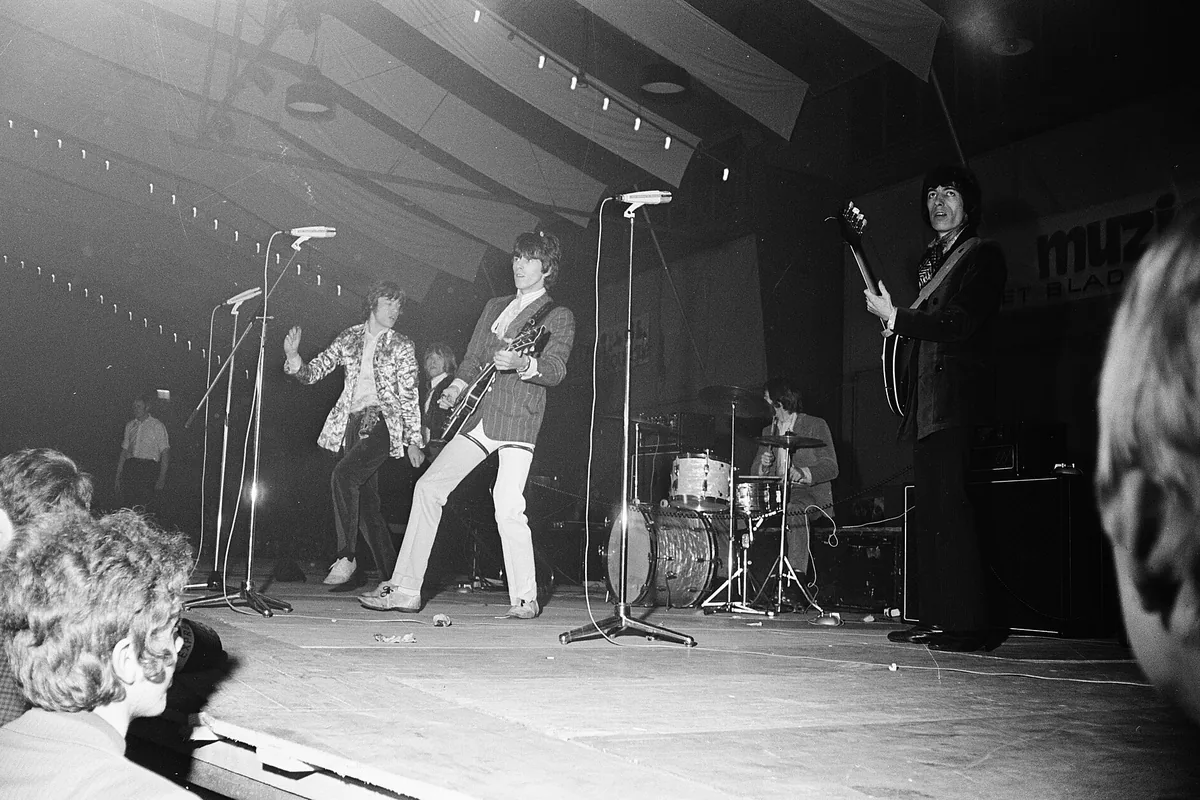
Police arrived at 3 Cheyne Walk in London on June 26, 1973. The search produced controlled substances, two firearms and ammunition, according to reporting based on the released police file.
The file describes Richards initially saying Stones label boss Marshall Chess rented the house. He presented himself as an overnight guest. Officers pointed to gold records on the walls bearing Richards’ or the Stones’ name.
Richards and the police also gave different accounts of one firearm. He described an antique miniature. The police forensic report described a Belgian firearm with a short barrel in poor condition.
He later portrayed the raid as a police setup. The recorded outcome included drug and unlicensed firearm and ammunition convictions. Reporting based on the file says he faced 25 counts and pleaded guilty to all but one.
He received fines rather than a prison term. The police report described small quantities of controlled substances, and the firearms had not been shown to have been used. Richards left court without a prison sentence, with convictions on his record.
11The Judge Ordered Him to Play
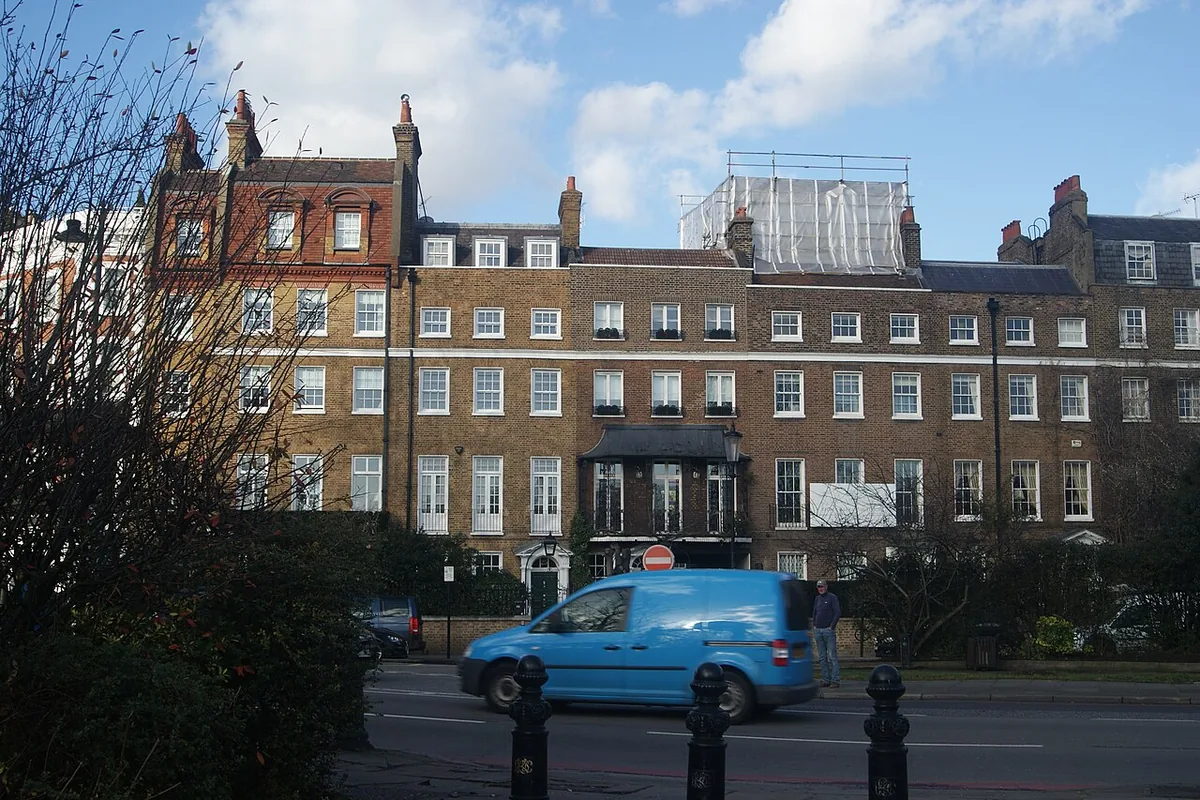
The RCMP found heroin in Richards’ room at Toronto’s Harbour Castle Hotel in February 1977. The initial charge was possession for the purpose of trafficking. The case ultimately proceeded as simple possession, and Richards pleaded guilty in October 1978.
Even that offense could carry up to seven years in prison. CBC’s coverage describes fans filling the courtroom and gathering outside while Richards waited to learn his sentence.
Justice Lloyd Graburn considered his efforts to address his addiction. The result was a suspended sentence and a year of probation, with continued treatment required. The judge also ordered a benefit for the Canadian National Institute for the Blind.
That final condition made the case famous. Richards had been ordered to do the thing he normally did for a living. But the concert was part of the sentence, alongside probation and treatment. It did not erase the conviction.
He played two benefit shows at Oshawa Civic Auditorium on April 22, 1979. The case still was not finished. The Crown sought a tougher punishment, taking the sentence to the Ontario Court of Appeal.
The appeal was rejected that September. More than two years after the hotel raid, the sentence stood. Richards had avoided prison and completed an unusually public obligation to perform.
12A Traffic Stop Followed Him for 31 Years
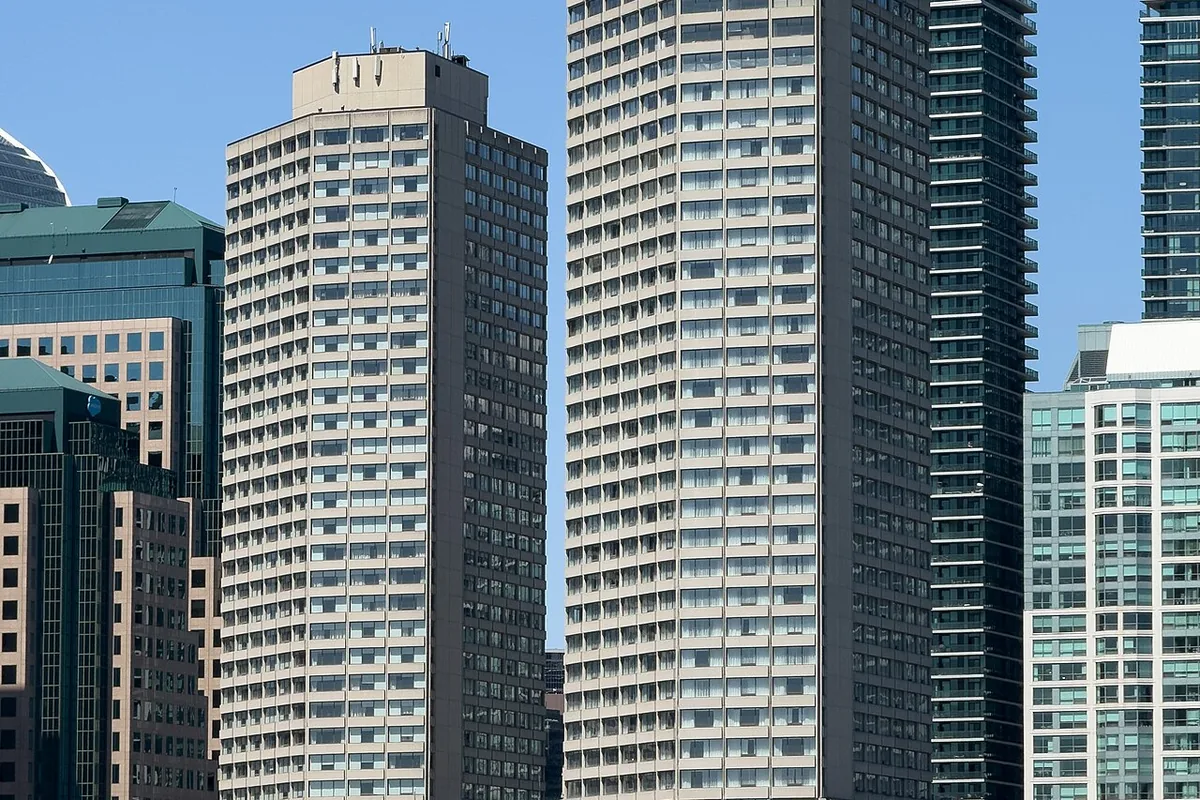
Richards was driving through Fordyce, Arkansas, on July 5, 1975. Ronnie Wood, a security guard, and a fan were traveling with him from Memphis toward Dallas. They had stopped for lunch and returned to the road.
An officer saw the car swerve. Richards later said he had bent down to adjust the radio. Police said they smelled marijuana, and the group was taken to City Hall.
Richards pleaded guilty to reckless driving and paid $162.50. A concealed-weapon charge was dropped. The controlled substance charge described in the Associated Press report concerned the fan, not Richards.
The stop remained part of his stage banter. At a 2006 show in Little Rock, he asked whether anyone was from Fordyce and mentioned knowing its police chief.
Arkansas Gov. Mike Huckabee, a bass player, pursued a pardon that year and later confirmed granting it. Thirty one years after Richards paid the fine, the traffic offense had reached the governor’s desk.
13One Infected Finger Stopped a Stadium Show
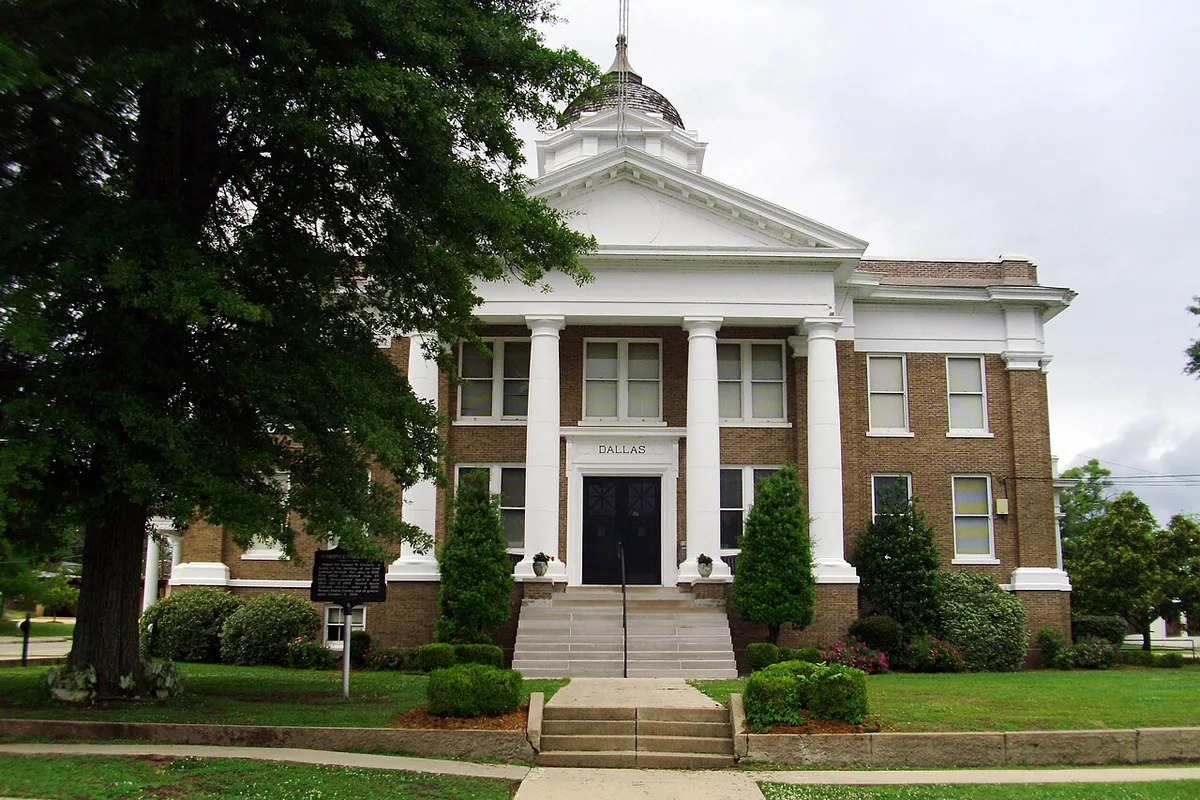
In July 1990, the Stones canceled their Cardiff concert because Richards had an infected finger. About 30,000 people were expected at Cardiff Arms Park.
Stones spokesman Neil Friedman said the decision came after Richards consulted doctors late at night. They warned that playing could cause permanent damage. Promoter Harvey Goldsmith called off the show.
The infection was reportedly linked to an accidental cut, though that cause was not definitively established. The immediate problem was confirmed: Richards could not safely play.
This was not reported as a threat to his life. It threatened his playing hand. The band had a stadium booked and thousands of people expecting a performance, but the medical advice was to stop.
After larger accidents and years of excess, a finger was enough to keep him offstage.
14The Anatomy Book Knocked Him Off the Ladder
Richards fell from a ladder in the library of his Connecticut home in May 1998. The Stones postponed the opening of their European tour while he recovered.
He later told Another Man that he had been reaching for a Leonardo da Vinci book on anatomy. According to Richards, the book hit him and knocked him off the ladder. He joked that it had taught him about anatomy before he opened it.
The injury accounts differ. The band’s contemporary spokesman reported injuries to Richards’ ribs and chest and denied a lung injury. Richards later described more extensive injuries, including a punctured lung.
The European opening moved back by roughly three weeks. Other dates became difficult to fit around the World Cup and insurance arrangements. The band’s schedule had been disrupted by an accident at home.
Richards knew the book detail sounded unlikely. In the interview, he insisted it was true. He had survived years on the road, then been injured while trying to get something down from a shelf.
15His Brain Surgeon Joined the Tour
Richards was on holiday in Fiji when he fell and injured his head on April 27, 2006. He was taken to New Zealand, where tests identified a serious condition requiring surgery in Auckland.
The reports about the fall were confused. Early accounts mentioned a palm tree, a coconut tree, and a possible jet ski incident. Richards’ memoir describes sitting on a low horizontal branch, slipping with wet and sandy hands, and hitting his head against the trunk. That version is his recollection.
The surgery and the disruption to the tour are documented. The Stones postponed their first 15 European dates. Cities across the schedule lost their planned shows while Richards recovered.
Neurosurgeon Andrew Law later described how unwell Richards had been. He said the operation was serious. When Richards returned to touring, the insurers wanted Law to go with him.
The surgeon joined the traveling party. He later described becoming close to Richards and his family. During a November 2006 show at Dodger Stadium, Richards publicly thanked him for the work that had allowed him to be there.
The man playing guitar onstage had recently needed a serious operation. His doctor was now part of the tour.
Richards’ survival still invites the same question. The years of excess, accidents, and recoveries make him seem impossible to explain. But the record includes treatment and people who helped him, along with his own decisions to stop some habits. When he quit cigarettes, he used nicotine patches. Asked about his survival in the original 2007 NME interview, he credited luck. For all the stories about extraordinary treatments and unusual powers, that was his explanation.