
The Rolling Stones cost $10. Aerosmith and AC/DC shared an $8.50 bill. One July survey captures major bands and future giants at startling moments in their careers.
Aerosmith and AC/DC on the same bill: $8.50. The Kinks and Blondie: as little as $6.75. The names look like a fantasy festival. The prices came from concerts in July 1978.
These ten U.S. listings appeared in Billboard‘s survey for the week ending July 23. The reported prices are a snapshot of those bills, with fees unspecified. The inflation figures show August 2026 purchasing power. But the most arresting detail is what the admissions meant: the Rumours lineup, Bon Scott’s AC/DC, and Cheap Trick before Budokan exploded in America. Decades later, those shared bills look almost as improbable as their prices.
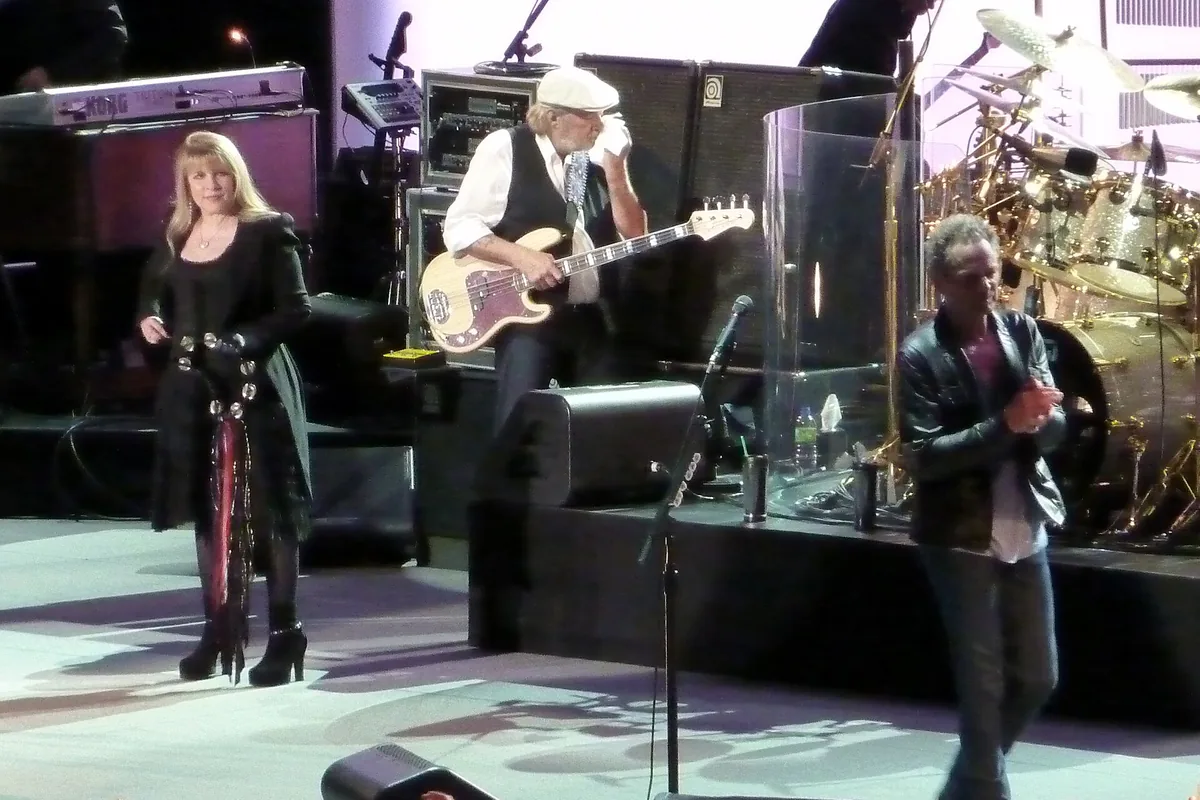
011. Fleetwood Mac: Up to $12.50 for the Rumours-era lineup
Fleetwood Mac’s July 17–19 engagement at Alpine Valley Music Theatre in East Troy, Wisconsin, covered three performances. Billboard listed prices from $8 to $12.50 and total ticket sales of 54,639 across the three shows. The upper tier is the highest price in this selection.
The inflation equivalent is about $41.10 to $64.22. More tantalizing is the timing. Rumours had arrived in 1977, won the album Grammy, and produced the No. 1 “Dreams.” Tusk would not arrive until 1979. These dates sit between the commercially explosive record and the more unruly studio adventure that followed.
The band meant Lindsey Buckingham, Stevie Nicks, Christine McVie, John McVie, and Mick Fleetwood. The familiar vocal personalities and rhythm section belonged to the same five-person lineup behind Rumours, rather than a later configuration carrying the name.
The price alone is a curiosity. The lineup and moment turn it into a time machine: the Rumours phenomenon already in motion, with Tusk still ahead.
022. The Doobie Brothers and Eddie Money: Two careers met at $7 to $8
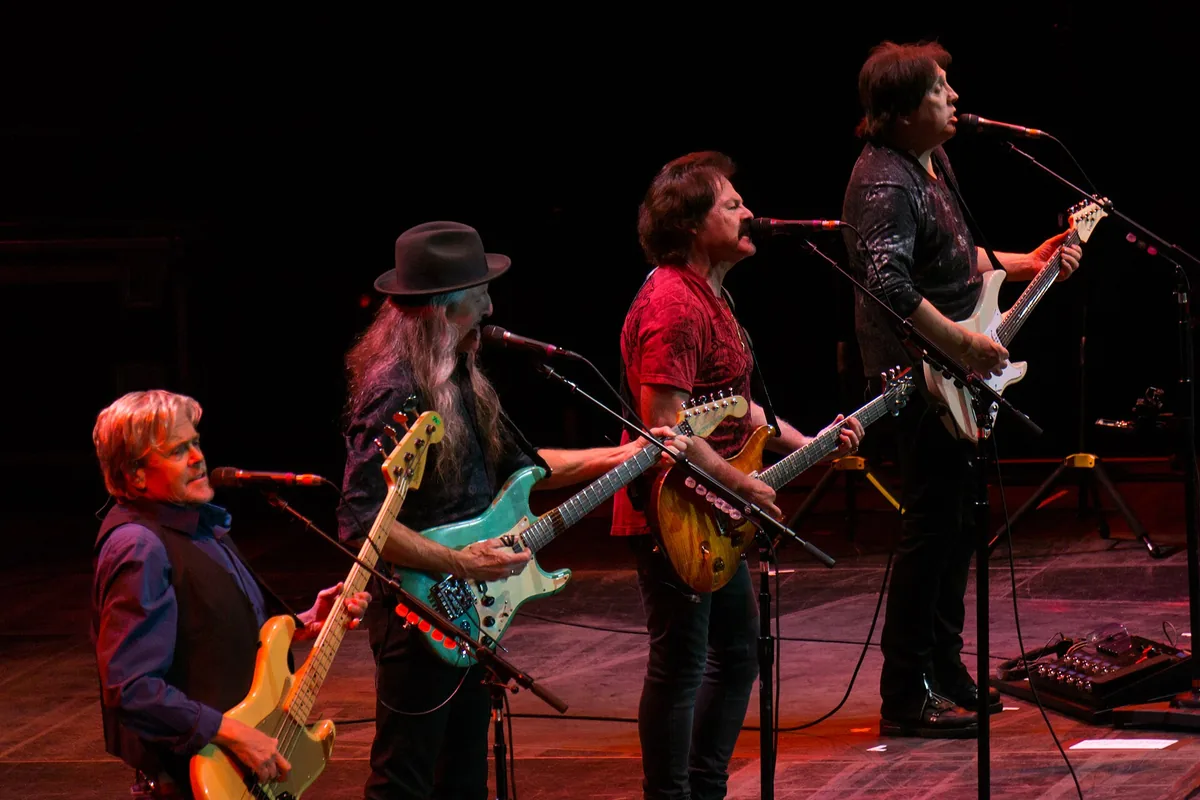
The Doobie Brothers and Eddie Money shared Indianapolis’ Market Square Arena on July 22. The reported scale was $7 to $8, or about $35.96 to $41.10 in August 2026 purchasing power. Billboard recorded 18,250 total ticket sales for the listing.
The Doobies were already in their Michael McDonald era. He had joined for 1976’s Takin’ It to the Streets after Tom Johnston’s illness, bringing a stronger soul pull to the band’s sound. The mix of rhythmic drive and McDonald’s textured voice gave the familiar group a changed center of gravity.
Minute by Minute would be released that December. The future hit album was still ahead, while the band’s transformation was already underway. For July’s audience, McDonald’s soul-inflected version of the Doobies was the current band, rather than a familiar chapter retrieved from a greatest-hits package.
Money brought a different kind of momentum. His 1977 debut included “Baby Hold On” and “Two Tickets to Paradise,” songs built around direct hooks and a raspier vocal presence. The bill paired a group reshaping its identity with a newer artist making his first major impression. The cheap-looking number covered that entire pairing.
033. The Rolling Stones and Peter Tosh: Ten dollars in the summer of Some Girls
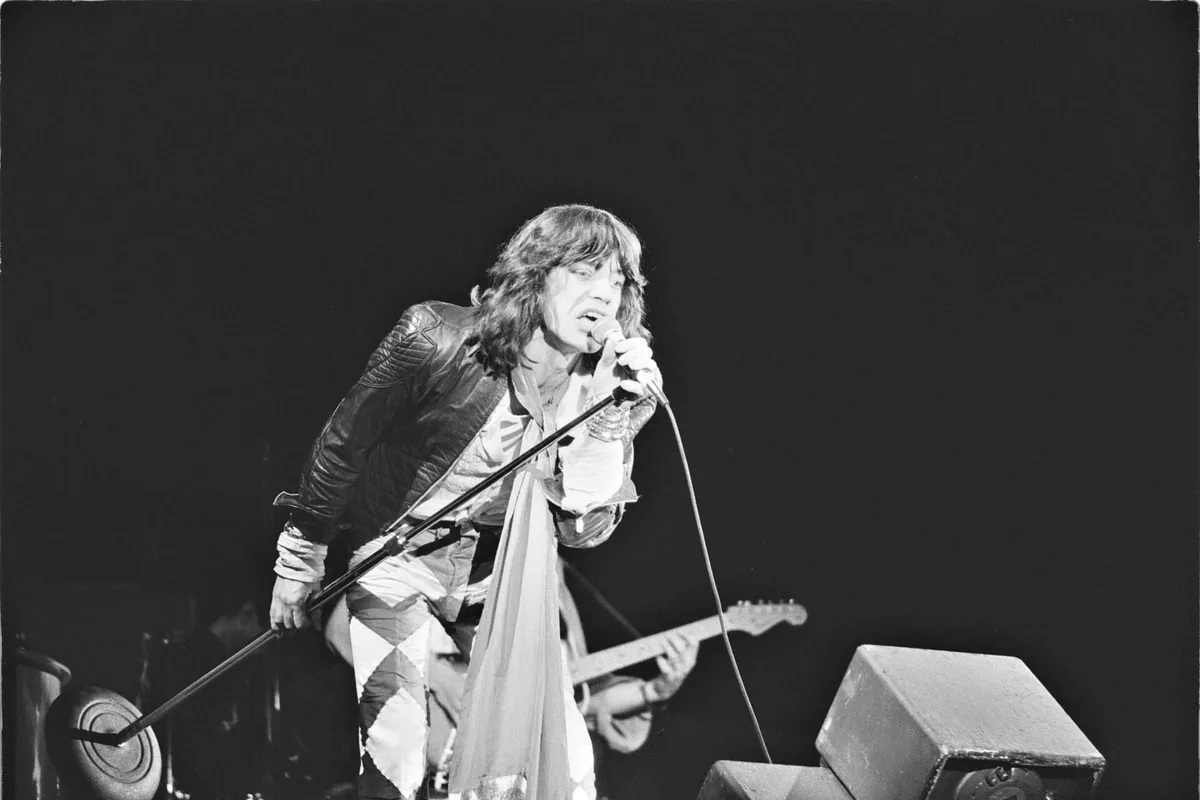
Houston’s Coliseum hosted the Rolling Stones and Peter Tosh on July 19. The reported ticket price was $10, approximately $51.38 in August 2026 purchasing power, with 12,271 total ticket sales in the survey. One number bought the listed bill.
The Stones were in the summer of Some Girls. On record, “Miss You” brought disco’s pull into their established rhythmic vocabulary. That makes the date more specific than “a chance to see the Stones”: it belonged to a period when the band was actively testing how its swagger could move through a changing pop landscape.
Tosh’s presence added reggae to the same $10 bill. The contrast is enticing: the Stones experimenting with disco’s rhythm on their current record, a reggae artist alongside them, and a price that now reads like something misplaced from another concert poster.
Face value was not always what a fan paid. Contemporary Washington reporting put resale offers for $10 Stones theater tickets at $50 to $250. That separate market gives the nostalgia a useful jolt: the printed number could be modest while demand made access considerably more expensive. Houston’s $10 remains its documented scale, not a universal Stones price for 1978.
044. Crosby, Stills & Nash: Three famous voices for $7.50 to $8.50
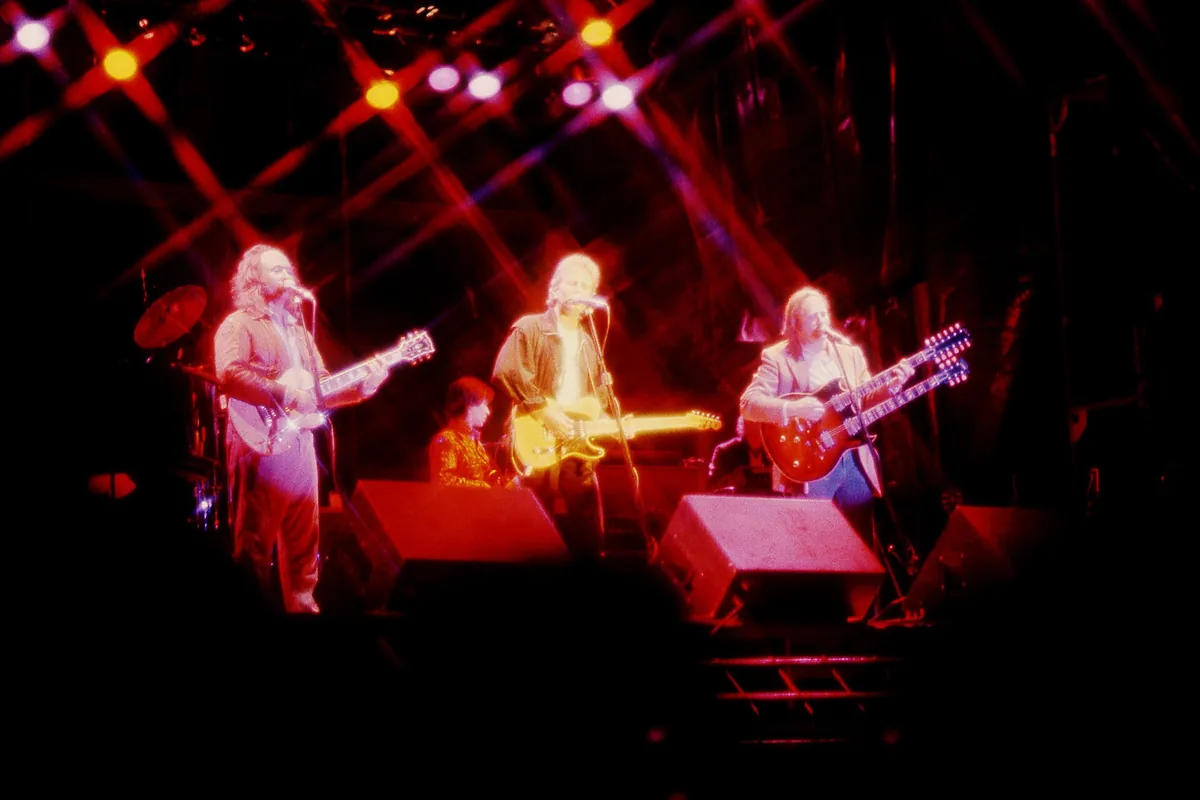
The billing in Providence on July 20 was Crosby, Stills & Nash. Billboard listed the Civic Center show at $7.50 to $8.50, about $38.53 to $43.67 in August 2026 purchasing power, and recorded 13,025 total ticket sales. The three names are the important part: Neil Young was not in this listing.
The trio’s 1977 album CSN had put “Just a Song Before I Go” into the Top Ten. The date therefore came after another successful statement from the three singers, rather than belonging solely to nostalgia for their earlier arrival.
Their attraction was an unusual combination of individuality and blend. Each voice could carry its own identity. Arranged together, the harmonies became a sound people recognized beyond the name on the ticket. That interplay makes the upper price especially striking when viewed alongside the number of tickets reported.
A singer-songwriter show can sound intimate even inside a civic center. Here a mass audience assembled around voices whose appeal lies in how closely they fit together, with the reported admission topping out at $8.50.
055. Aerosmith and AC/DC: The $8.50 double bill gets stranger in hindsight
Aerosmith and AC/DC were listed at Portland, Oregon’s Coliseum on July 21 for $8.50. That is about $43.67 in August 2026 purchasing power. The survey reported 11,000 total ticket sales. Looking at those two names now, the single price is the detail that makes you stop.
AC/DC were in the Powerage period, with Bon Scott singing. The 1978 album was the first to feature bassist Cliff Williams alongside Angus and Malcolm Young and drummer Phil Rudd. Its “Riff Raff” and “Rock ‘n’ Roll Damnation” provide a useful sense of the band’s contemporary recorded attack.
This was before Back in Black and Brian Johnson’s era. Retrospective familiarity can blur those chapters, but the Portland billing belongs to a different voice and an earlier stage of AC/DC’s ascent. Bon Scott was the singer behind the name on this $8.50 double bill.
Aerosmith occupied the other half of the pairing. Two bands now associated with enormous catalogs shared one admission, on a night before much of their later story had happened. Hindsight keeps adding to the bill.
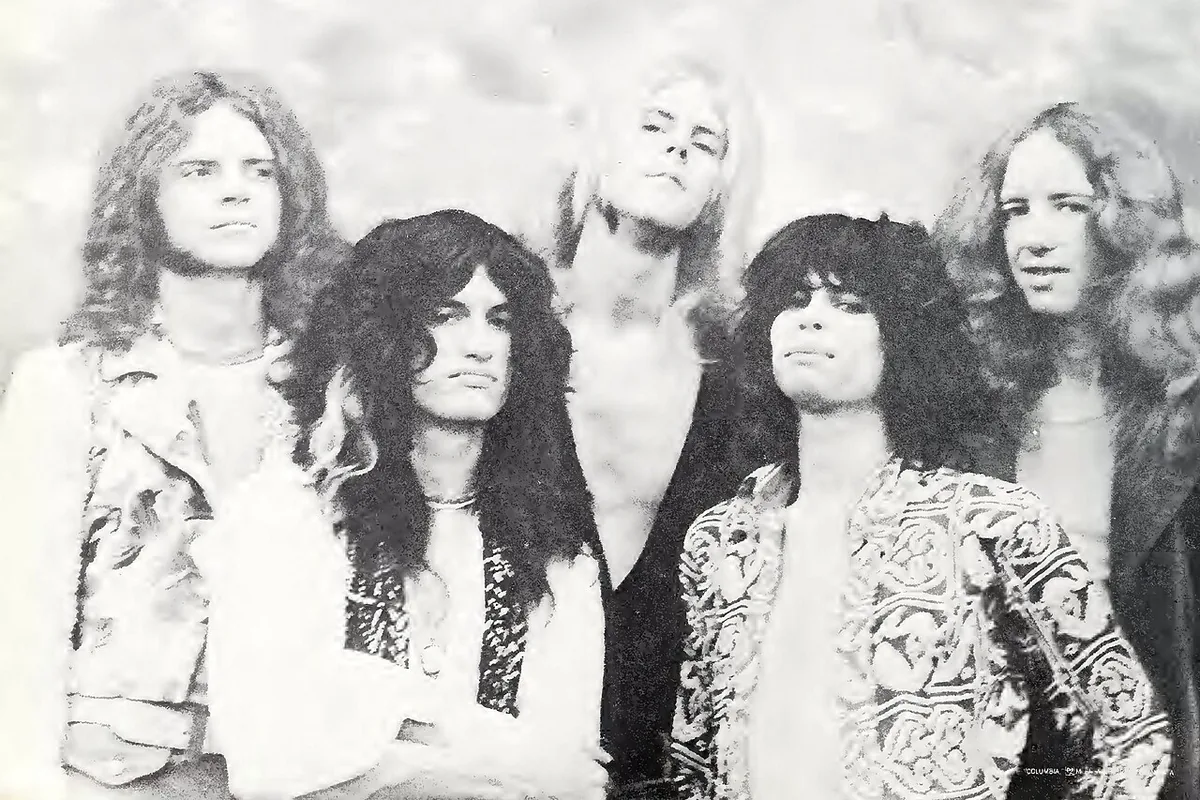
066. Marshall Tucker Band and Climax Blues Band: $7.50, and nobody named Marshall Tucker
The Marshall Tucker Band shared a July 19 bill with Climax Blues Band at Dothan, Alabama’s Civic Center. The reported price was $7.50, roughly $38.53 in August 2026 purchasing power. Billboard recorded 5,310 total ticket sales.
The name hides a delightful oddity. Marshall Tucker was a piano tuner whose name appeared on a key associated with the group’s rehearsal space. He was not one of the band’s musicians. A ticket with his name on it was therefore not promising a performance by the man himself.
The band’s musical personality also exceeded the blunt category of Southern rock. Its original six-player sound made room for country and jazz elements, with Jerry Eubanks’ flute and saxophone providing textures a generic guitar-band description misses. The flute in particular gives the name a less predictable sound than the regional label suggests.
Climax Blues Band’s inclusion makes this another shared bill rather than a single-artist price. The listing captures both the practical cost of entry and the peculiar identities that concert posters compress. Here the most memorable extra detail is free: the act’s apparent frontman was a name borrowed from a key. The music behind it was made by an entirely different group of people.
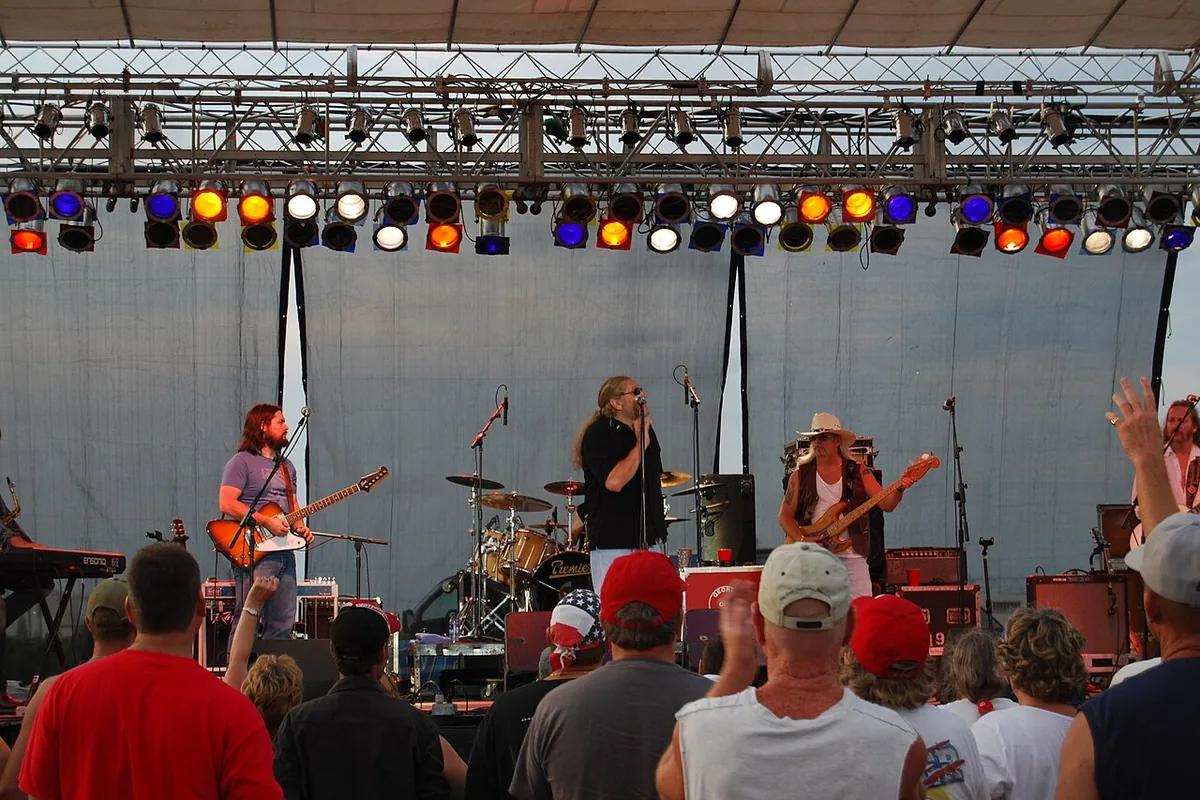
077. Bob Marley & the Wailers: $7.50 to $9.50 after a remarkable peace gesture
Bob Marley & the Wailers appeared with Imperials at Santa Barbara’s County Bowl on July 23. Tickets were listed from $7.50 to $9.50, about $38.53 to $48.81 in August 2026 purchasing power. The reported total was 4,387 ticket sales.
That summer followed a startling public moment in Jamaica. At the April One Love Peace Concert, Marley brought political rivals Michael Manley and Edward Seaga together and raised their hands. The United Nations recognized his peace efforts in June. July’s Santa Barbara listing falls shortly after those events, placing the ticket beside a particularly vivid chapter in his public life.
Kaya, released in 1978, supplies the musical context. Songs such as “Is This Love” and “Satisfy My Soul” put love and ease closer to the foreground than a simple picture of Marley as a militant voice would allow. That softer emphasis coexisted with an artist carrying considerable political meaning.
The Santa Barbara engagement brought together two sides of Marley’s public life: the artist recording tender love songs and the performer who had recently put rival politicians’ hands together onstage. The price fixes that remarkable intersection in one summer evening. Less than ten dollars was the listed admission for the bill, at a moment when the significance of seeing Marley reached far beyond entertainment.
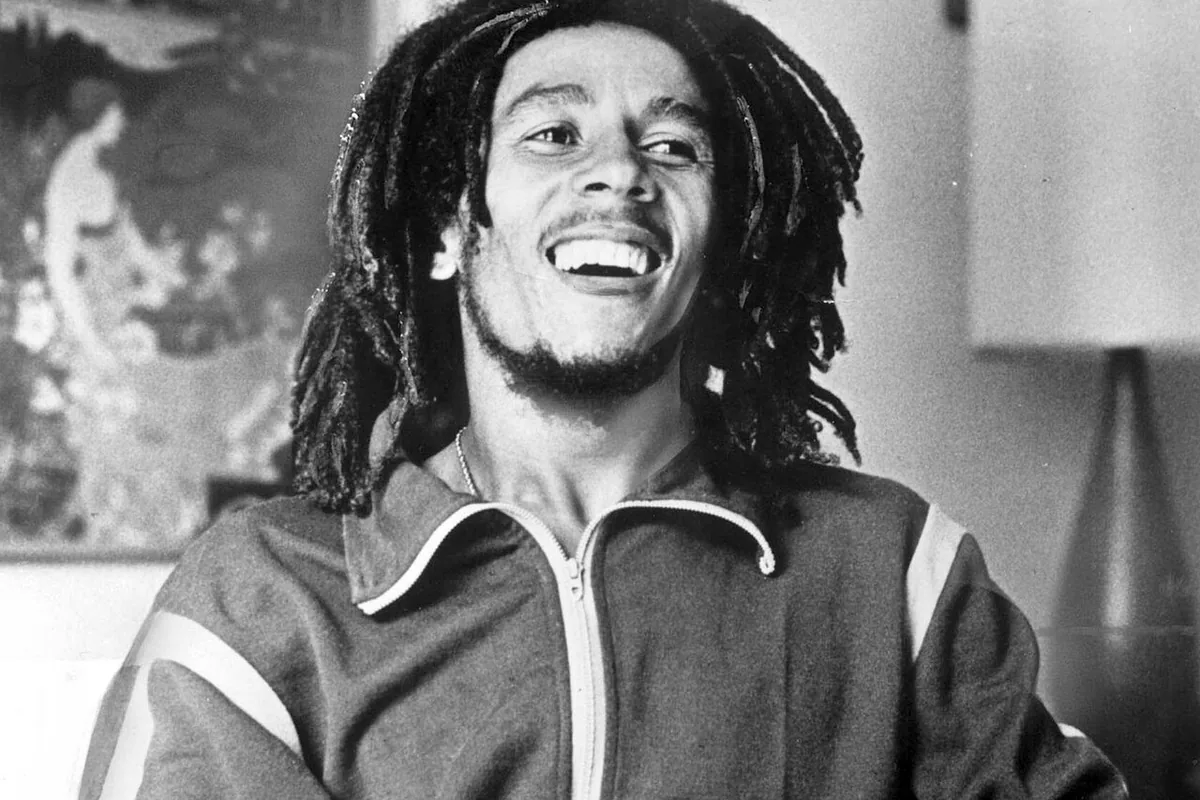
088. The Kinks and Blondie: The cheapest entry paired two very different worlds
At $6.75 to $7.75, the Kinks and Blondie bill at San Diego’s Open Air Theatre had the lowest entry price in this selection. The July 19 listing converts to roughly $34.68 to $39.82 in August 2026 purchasing power. The survey recorded 3,228 total ticket sales.
The Kinks had released Misfits that May, including “Rock ‘n’ Roll Fantasy.” The Davies-led band’s long-established identity made one side of the pairing immediately recognizable. Blondie brought a younger New York presence with a different relationship to the era’s pop possibilities.
The timing makes that second name especially enticing. Parallel Lines followed later in 1978, carrying Blondie toward the enormous disco-pop crossover still ahead. In July, the group was sharing a bill with the Kinks before that next album had reached listeners.
The pairing looks deliciously improbable in hindsight. An established British band and a younger New York group at different career stages shared the smallest advertised admission among these ten listings.
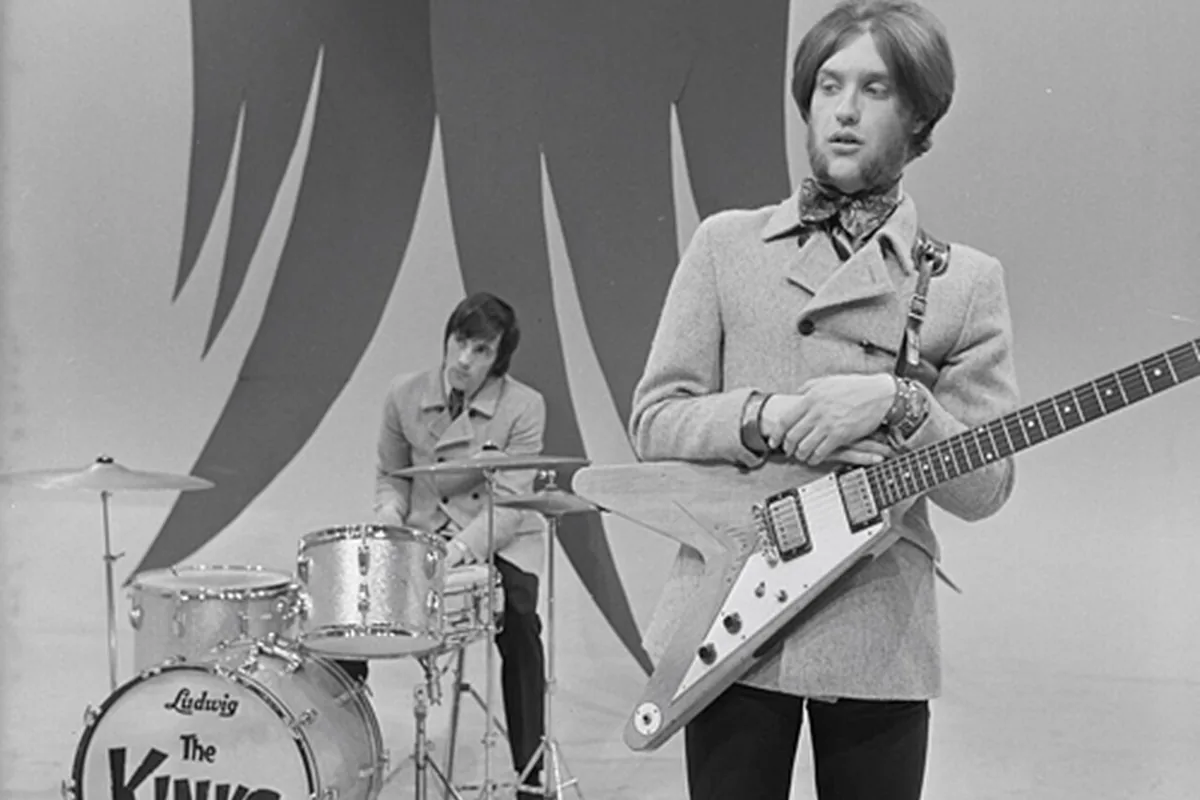
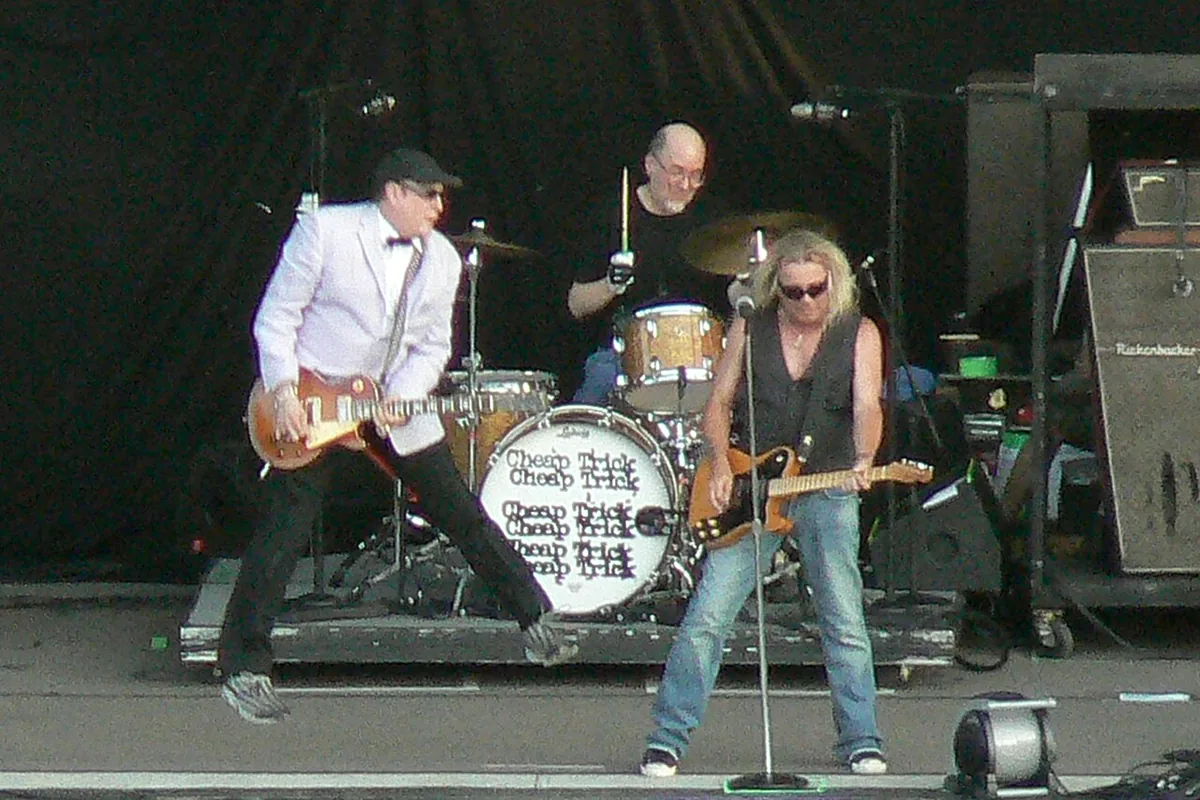
099. Cheap Trick and 1994: $7.50 before Budokan changed the scale
Cheap Trick and supporting act 1994 were listed at Santa Monica’s Civic Center on July 21 for $7.50. The modern purchasing-power equivalent is about $38.53. Billboard reported 3,000 total ticket sales, 1994 is the other band’s name, rather than a mistaken date.
Cheap Trick had already recorded the Japanese performances that became Cheap Trick at Budokan during the spring. The album’s Japanese release came in October 1978, followed by its American release in February 1979. The Santa Monica concert sits in the tantalizing gap between making those recordings and experiencing their American impact.
The breakthrough recordings existed, but the live album had not yet remade the band’s U.S. profile. American buyers would encounter Budokan the following year. July’s $7.50 listing catches Cheap Trick on the near side of that dividing line.
The reported sales also give the listing a more contained scale than the giant-band image hindsight supplies. Three thousand tickets is a substantial crowd, but it is a specific audience at a specific moment. Nobody buying that night’s admission needed to know the future. The retrospective thrill is realizing how close the band already stood to a change the ticket price could not announce.
1010. Bruce Springsteen: $7.50 with Darkness barely out of the sleeve
Bruce Springsteen’s July 18 show at the Auditorium in Jackson, Mississippi, was listed at $7.50, approximately $38.53 in August 2026 purchasing power. The reported total was 2,283 ticket sales. It is the smallest sales figure among these selected listings.
Darkness on the Edge of Town had been released on June 2. The concert therefore came barely six weeks after an album that sharpened Springsteen’s focus on work, frustrated possibility, and the pressure inside ordinary lives. “Badlands” and “Racing in the Street” illustrate that record’s harder emotional terrain.
Six weeks is barely time for listeners to settle into a new album. The characters on Darkness were pressing against closed doors, diminished prospects, and the limits of escape. A Jackson ticket offered the artist at that particularly tense turning point, rather than the later stadium-sized version of his career.
It is an arresting place to end the week: Springsteen, a newly released Darkness, and a $7.50 entry. Fame does not travel backward at the same speed as memory. The later image of vast audiences can obscure this earlier stop. Here the old box-office table restores the smaller frame, putting a major career back into one summer evening and the price someone actually saw advertised.
The real bargain is the moment
The selected prices range from $6.75 to $12.50, roughly $34.68 to $64.22 in August 2026 purchasing power. But the numbers are only half the fascination. These bills catch artists between albums, before breakthroughs, or inside lineups that would not last forever.
Source: Billboard, August 5, 1978, “Top Boxoffice” survey. Inflation equivalents use the Bureau of Labor Statistics CPI-U: 65.2 for the 1978 annual average and 334.980 for August 2026. Reported total ticket sales describe each listing, including Fleetwood Mac’s three performances.