
Long before the parental-advisory sticker became record-store shorthand, a Prince song about a sexual encounter helped ignite a durable argument over who gets to interpret a record. In 1985, the Parents Music Resource Center publicized 15 songs it saw as examples of troubling sex, violence, alcohol or drug use, and occult themes.
The PMRC was a private advocacy organization, not a government agency. Its campaign reached a Senate hearing on September 19, where individual senators discussed possible regulation and the rhetoric got hot. But Chairman John Danforth said the hearing was not promoting legislation, and PMRC witness Susan Baker said the group was not seeking federal intervention. No bill to ban these songs was under consideration.
What followed was pressure, testimony, and eventually a voluntary industry agreement—not a federal ban. On November 1, the RIAA, PMRC, and National PTA announced an arrangement under which participating labels could put an advisory on selected releases or provide lyrics. Record companies kept the discretion, and the RIAA’s Parental Advisory Label program remains voluntary today.
The Filthy Fifteen was neither a chart nor an official government ranking. It was a set of PMRC examples drawn from records released between 1980 and 1985. Here is what was at issue in each song, including the places where the artists pushed back.
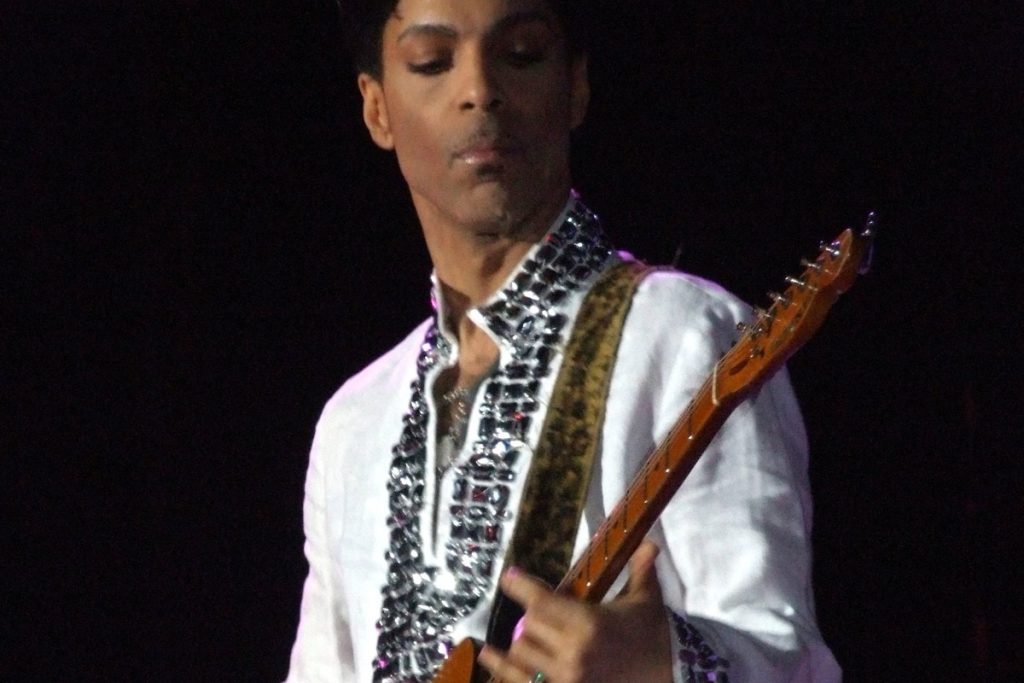
01Prince — “Darling Nikki”
*PMRC objection: sex/masturbation*
“Darling Nikki” has its narrator meet Nikki while she is masturbating, then moves into a sexual encounter that includes references to sexual devices. No elaborate decoding was needed: the PMRC itself used that detail in the hearing record.
The song is closely tied to the campaign’s origin story. Tipper Gore said she heard it while listening to Purple Rain with her daughter, and it helped prompt her organizing around music lyrics. It is fair to call it a trigger for Gore’s campaign. It is not accurate to say one Prince track, on its own, created the later advisory system.
.jpg)
.
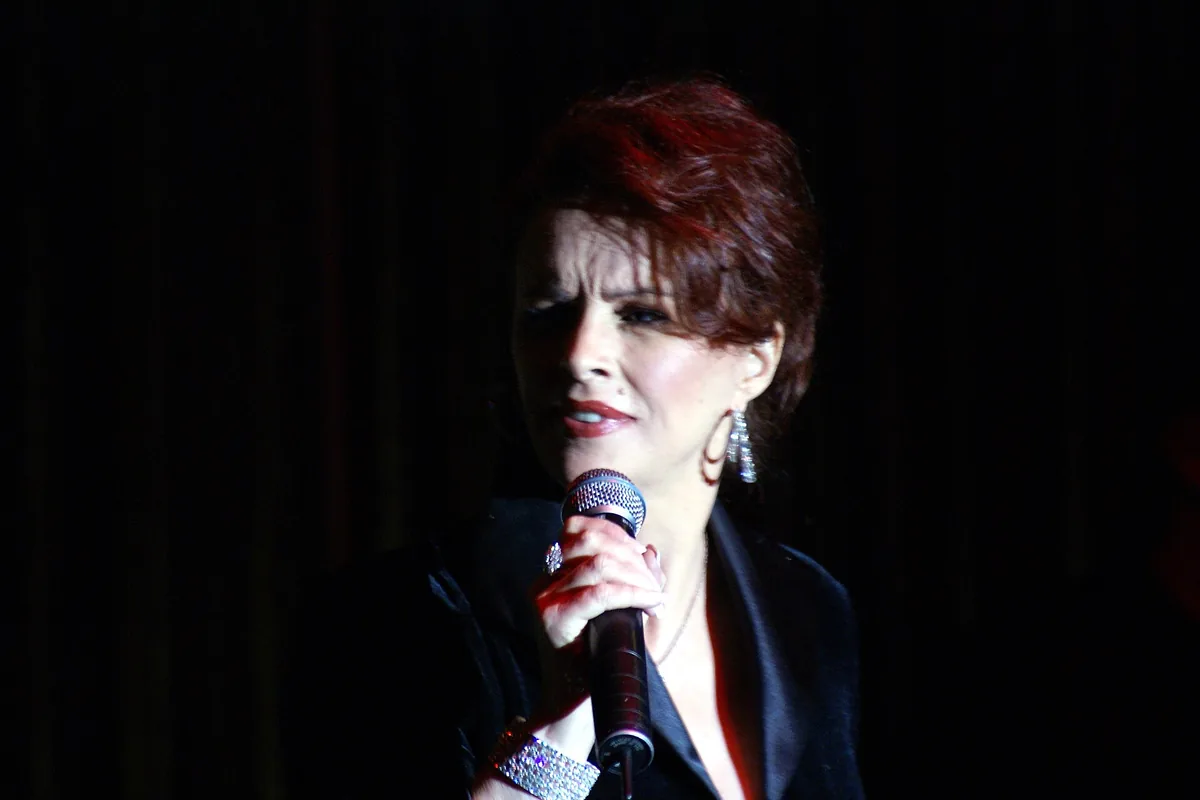
02Sheena Easton — “Sugar Walls”
*PMRC objection: sex*
The title phrase in “Sugar Walls” works as an evident sexual-anatomy metaphor. The speaker invites a lover into that metaphorical space and describes arousal and an overnight sexual invitation.
Prince wrote the song, and its imagery was discussed in material entered into the Senate record. The most precise phrasing remains interpretive, though: the metaphor is plainly sexual in context, not a reading Sheena Easton is documented as formally confirming herself.

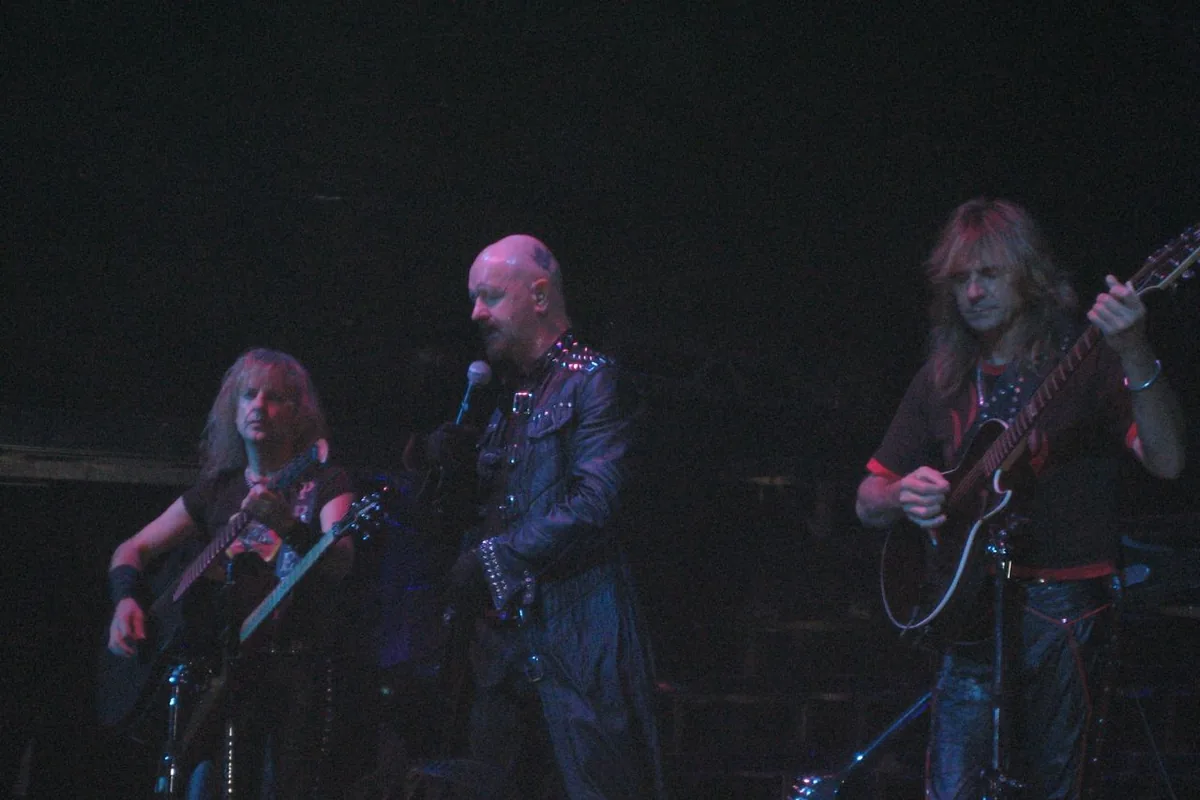
03Judas Priest — “Eat Me Alive”
*PMRC objection: sex*
The PMRC characterized “Eat Me Alive” as forced oral sex at gunpoint. The lyric does combine oral-sex imagery with a gunpoint threat, restraint, and penetration metaphors.
That does not settle the intended context. Rob Halford later described the song as being about the pleasure of oral sex and explained a gay sexual/S&M context that differed from the PMRC’s heterosexual reading. Both facts belong here: the coercive wording is there, and Halford has offered a materially different account of what the song meant to convey.

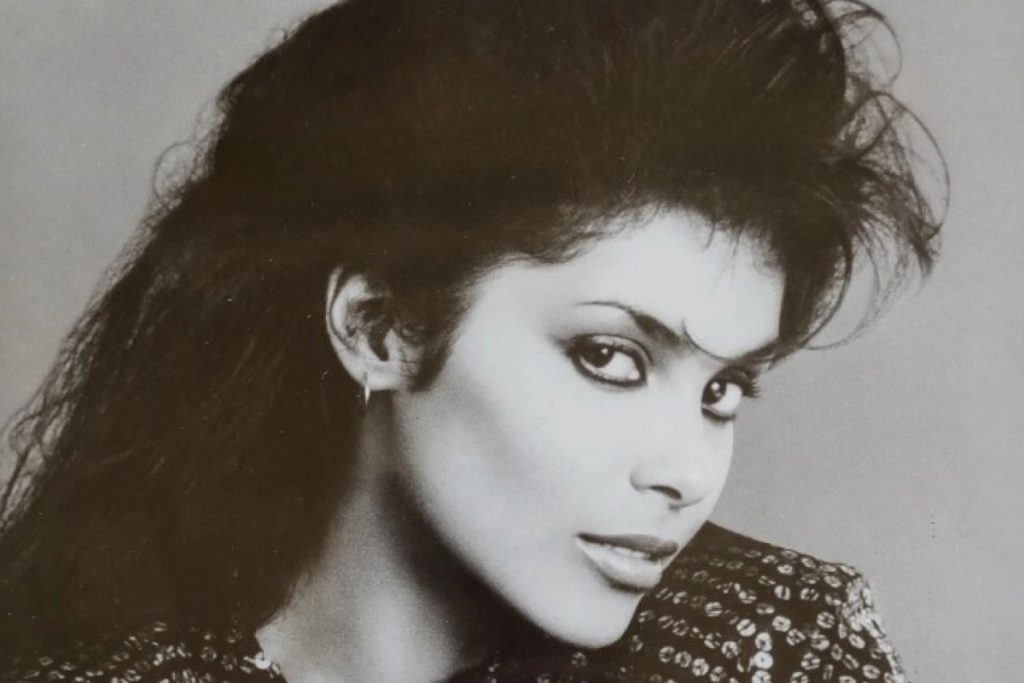
04Vanity — “Strap On ’Robbie Baby’”
*PMRC objection: sex*
Vanity’s song is an openly teasing sexual number built around an “electric machine,” directions to strap it on tightly, and riding, highway, and carnival-ride imagery.
The device is deliberately suggestive—vibrator-like, at minimum—but the checked evidence does not establish its precise identity through a direct artist or songwriter statement. The story is the song’s sexual wordplay, not an unsupported effort to name the machine more specifically.

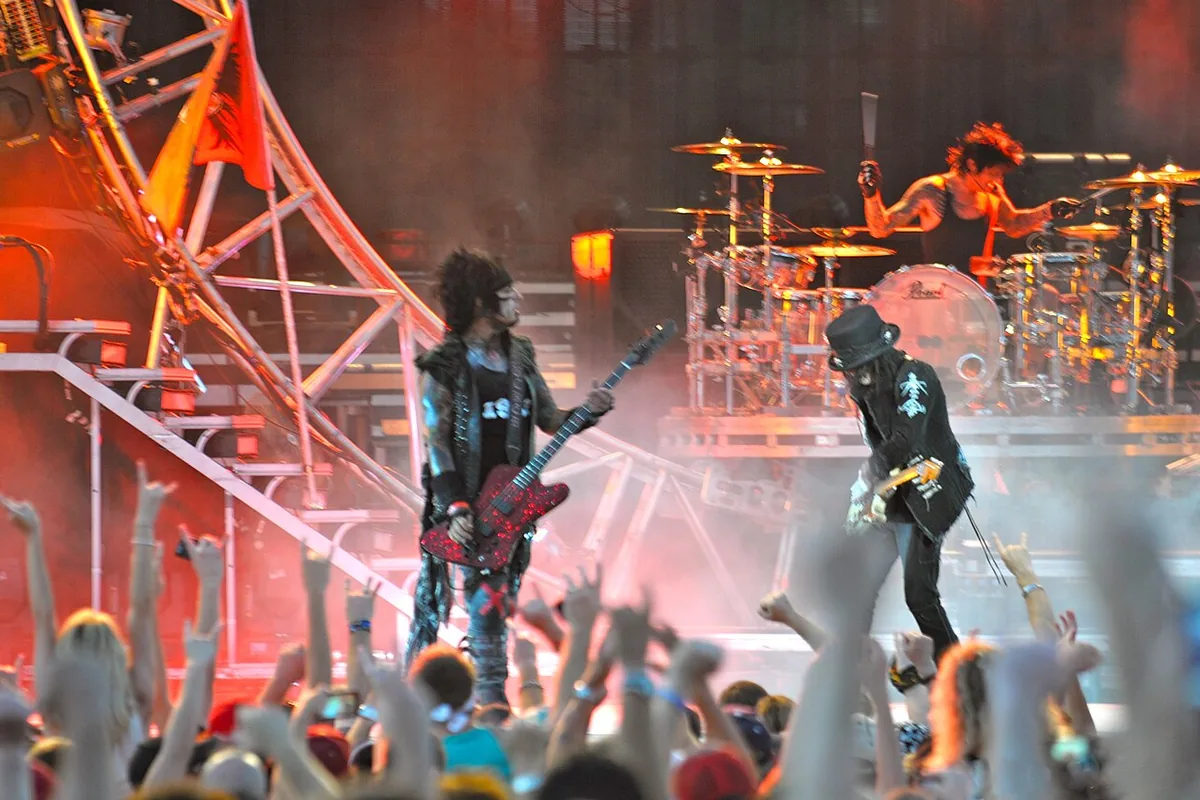
05Mötley Crüe — “Bastard”
*PMRC objection: violence*
“Bastard” is a revenge threat aimed at a betrayer. Knife, death, execution, and shooting imagery make it one of the list’s more direct examples of the PMRC’s violence concern.
Some later accounts connect the target to a former manager. That identification is not needed to understand the song, and it is not established in the checked record for this story.
.jpg)
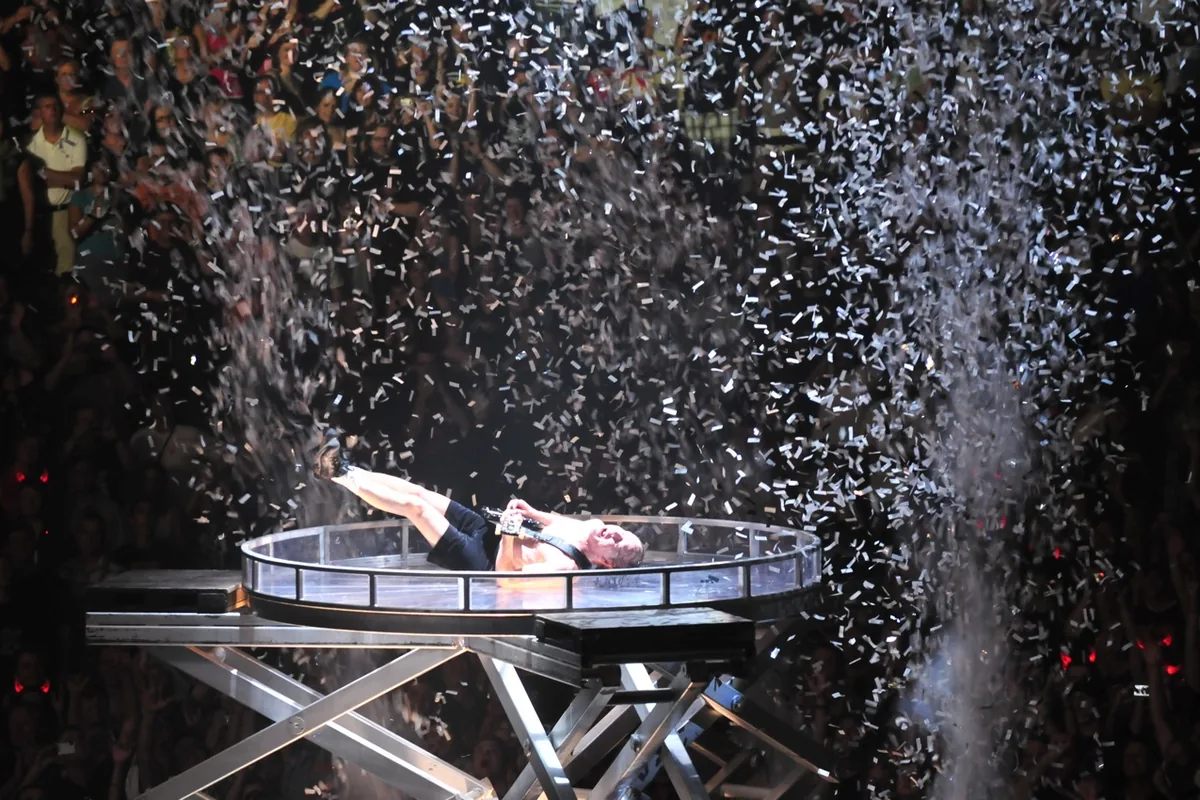
06AC/DC — “Let Me Put My Love Into You”
*PMRC objection: sex*
AC/DC’s “Let Me Put My Love Into You” turns its title refrain into a penetration metaphor. Heat, steam, cake, and knife imagery extend the suggestion without supporting a claim about a more specific act.
The song appeared on Back in Black, one of the earliest releases represented in the Filthy Fifteen. The list was assembled in 1985, but it was not a snapshot of that single year’s pop; its records had been out for years in some cases.

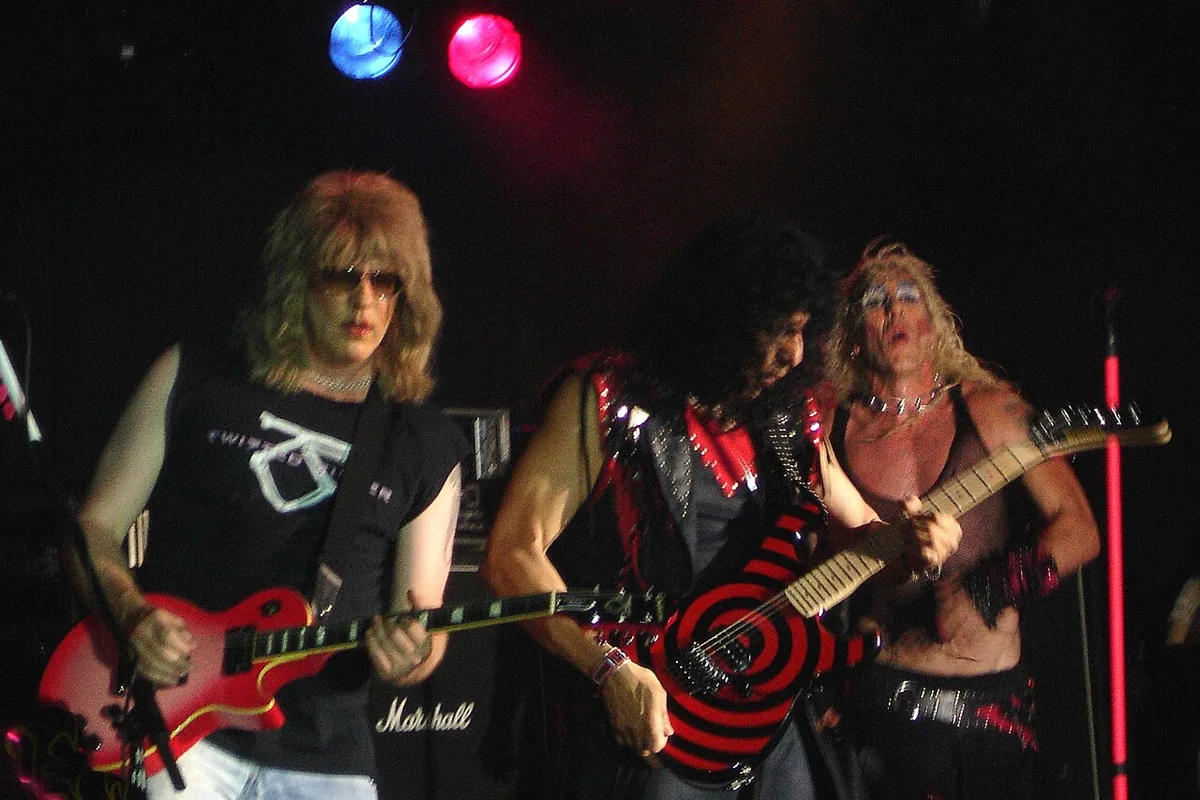
07Twisted Sister — “We’re Not Gonna Take It”
*PMRC objection: violence*
The PMRC assigned “We’re Not Gonna Take It” a violence category. Dee Snider disputed that reading in his Senate testimony, arguing that the lyric is a defiant autonomy anthem, not an account of physical assault.
Snider did not say the video contained no violence. His distinction was narrower and sharper: the lyric contained no violence, while the video ran on slapstick, cartoon-like logic. It became one of the hearing’s clearest examples of the gap between judging a song by its words and judging its larger visual presentation.

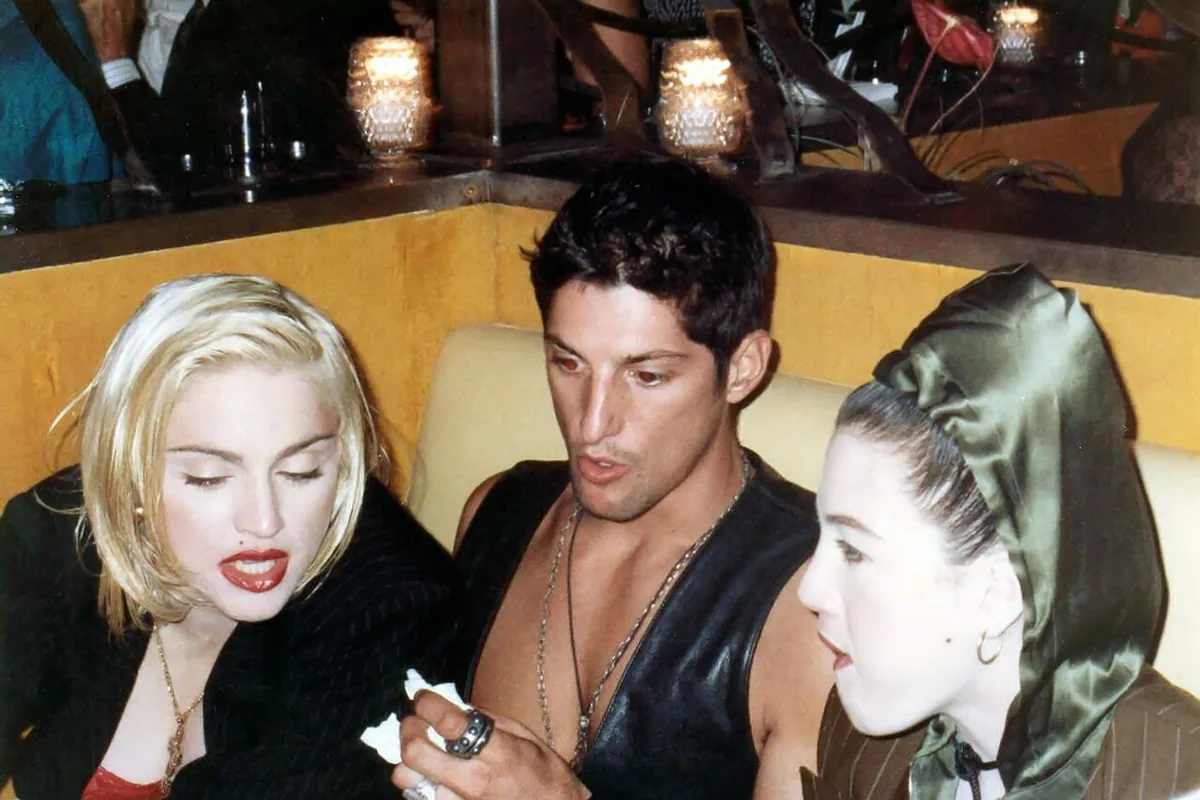
08Madonna — “Dress You Up”
*PMRC objection: sex*
A sexual or desire-based reading of “Dress You Up” is possible, which is why it landed on the PMRC’s list. Madonna, however, called it an innocent love song about covering someone in love, while acknowledging that her lyrics could allow multiple meanings.
That disagreement is part of the history, not a footnote to it. The PMRC’s interpretation was not the only available one, and Madonna did not document the song as explicitly sexual.

09W.A.S.P. — “Animal (F*ck Like a Beast)”
*PMRC objection: sex*
The full title leaves little mystery about why it appeared on the list. Blackie Lawless has directly characterized “Animal (F*ck Like a Beast)” as a blunt celebration of sex.
That makes it a useful contrast with the songs whose meanings were debated at the hearing. Here, the argument was less about decoding content than about whether such direct expression should trigger the warnings, ratings, retail restrictions, and broadcaster pressure the PMRC proposed.
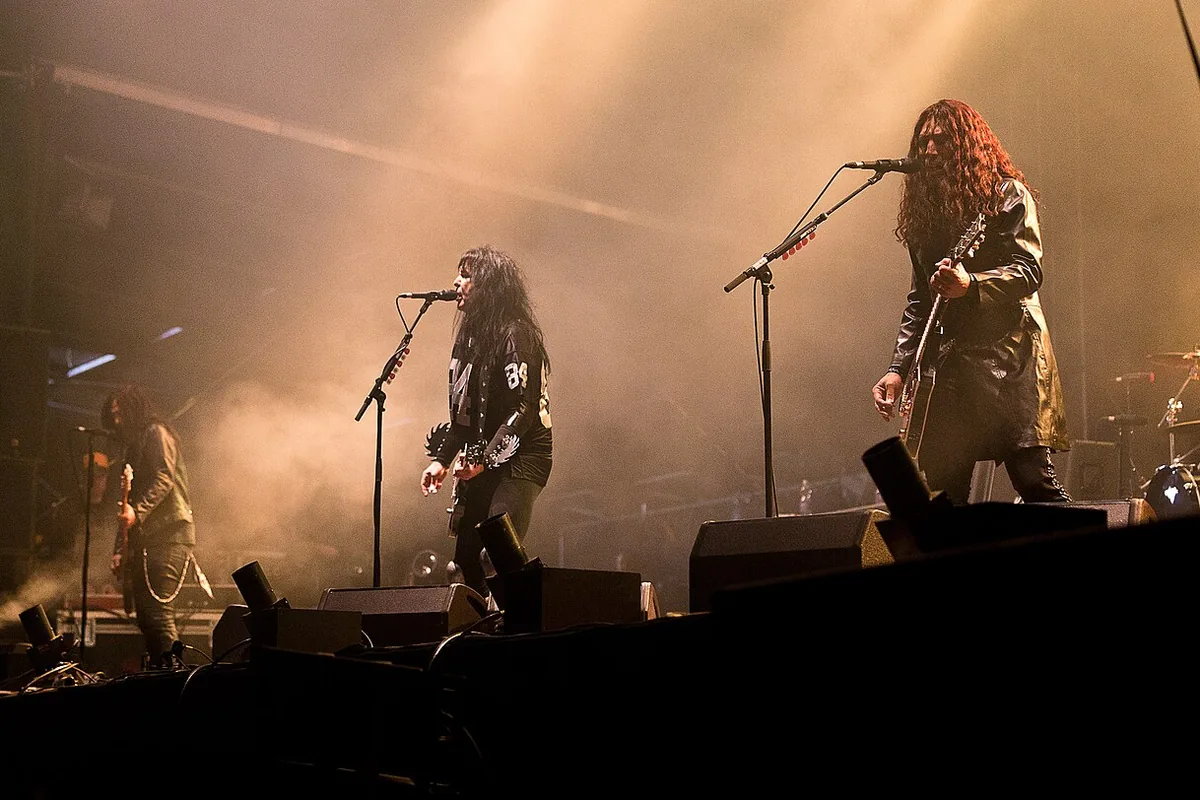

10Def Leppard — “High ’N’ Dry (Saturday Night)”
*PMRC objection: alcohol*
Def Leppard’s authorized lyrics repeatedly describe drinking through the day, naming whiskey, wine, bottles, and being high. The evidence supports an alcohol-focused objection.
It does not support recasting the song as an endorsement of illicit drugs. The PMRC’s broader concern covered drugs and alcohol, but this track’s documented imagery is about drinking.
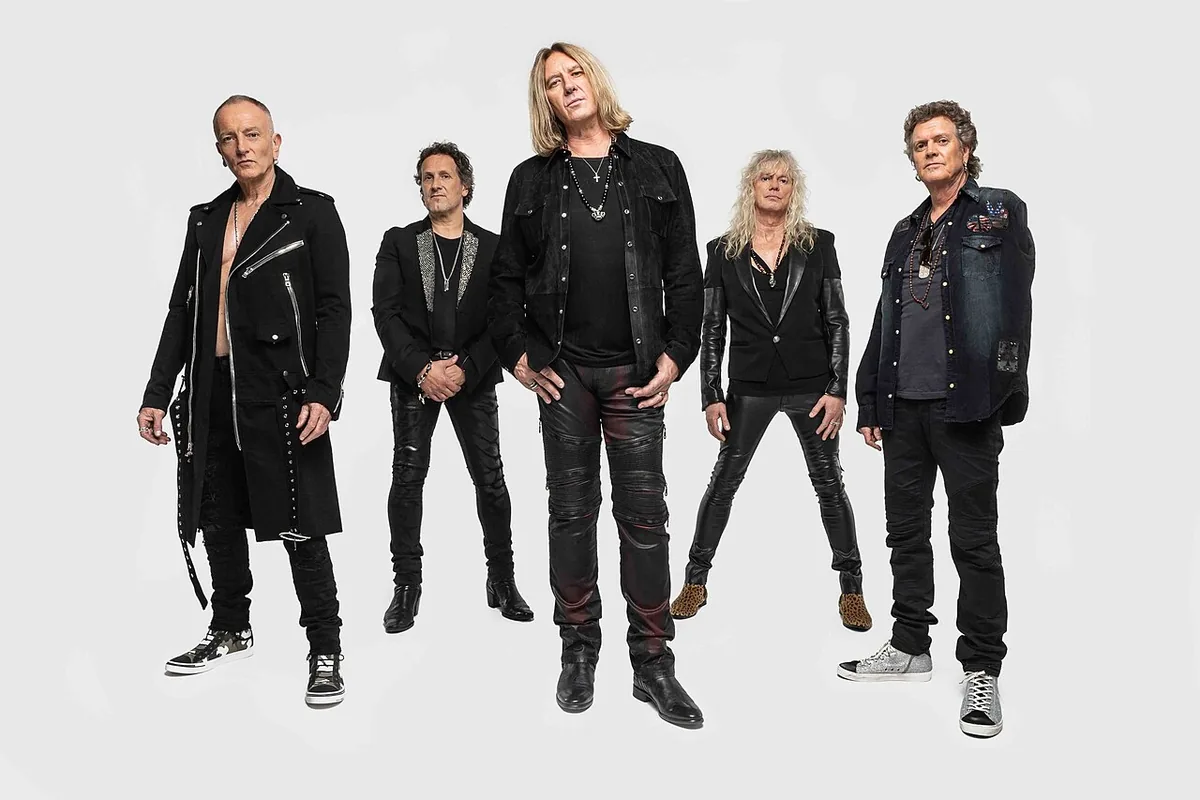

11Mercyful Fate — “Into the Coven”
*PMRC objection: occult*
“Into the Coven” depicts entry into a coven, rejection of Christian symbols, blood from an unholy knife, and allegiance to Satan. Its occult narrative is explicit enough; it does not need sensational embellishment.
The song does not say the initiate signs in blood, and nothing in the checked evidence permits treating it as documentation of an actual ritual or crime. Mercyful Fate’s occult imagery was central to its performed world. It was not evidence that the record caused occult activity.
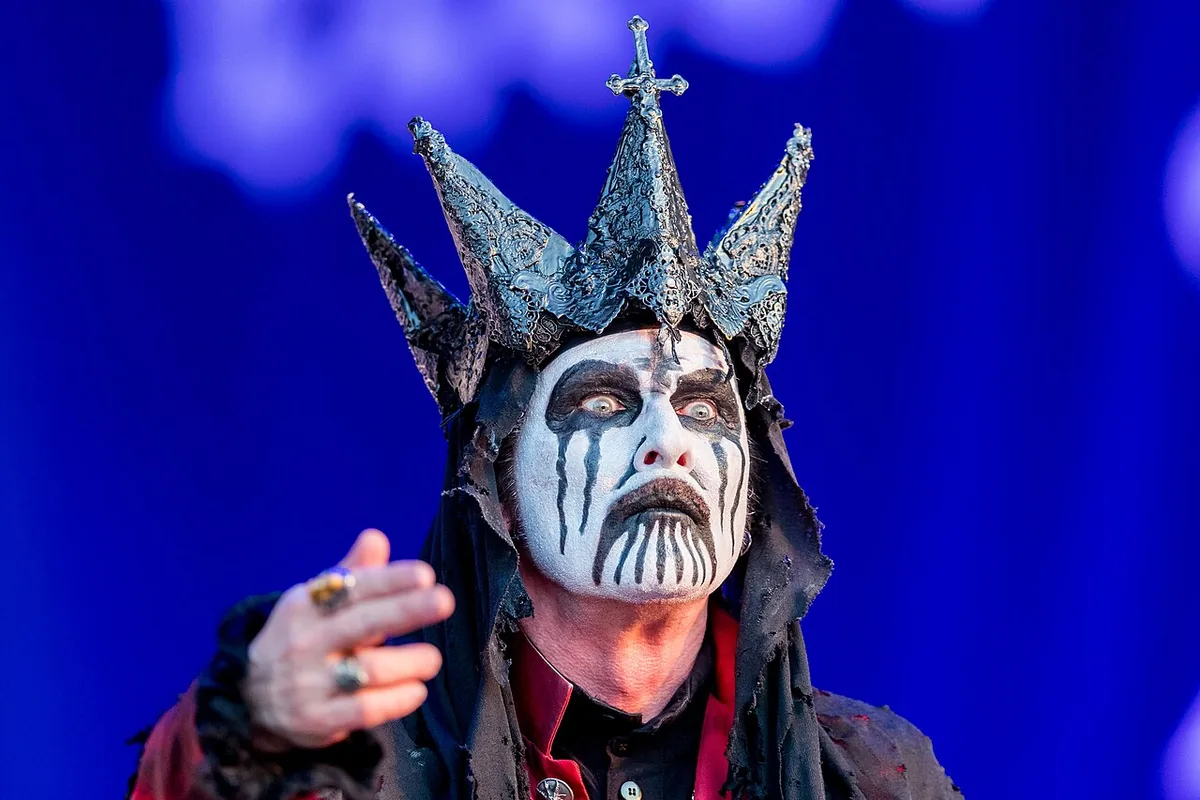

12Black Sabbath — “Trashed”
*PMRC objection: alcohol*
“Trashed” grew from a real episode. Ian Gillan has described driving while extremely drunk, losing control, rolling the car, and coming to rest near a swimming pool; another participant recalled the nearby canal as well.
The PMRC treated the song as an alcohol example. Critics may call the account glamorizing, but that is an interpretation, not a neutral fact built into the record. The firm claim is that the song draws on Gillan’s alcohol-fueled crash.
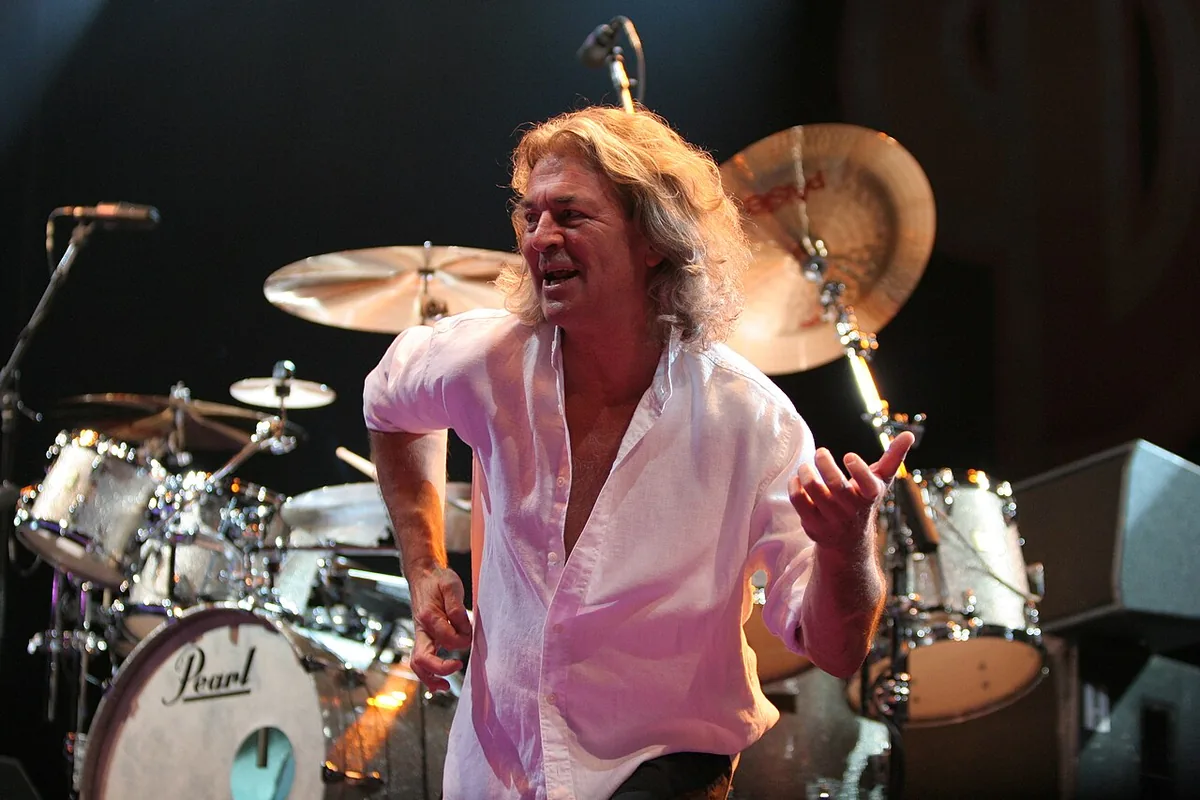

13Mary Jane Girls — “In My House”
*PMRC objection: sex*
“In My House” uses domestic language and innuendo to frame lovemaking. JoJo McDuffie, the Mary Jane Girls’ lead singer, said the song concerned lovemaking and acknowledged the innuendo surrounding “house.”
McDuffie considered the controversy excessive. She did not deny that the song had a sexual meaning, an important distinction in any retelling of the dispute.
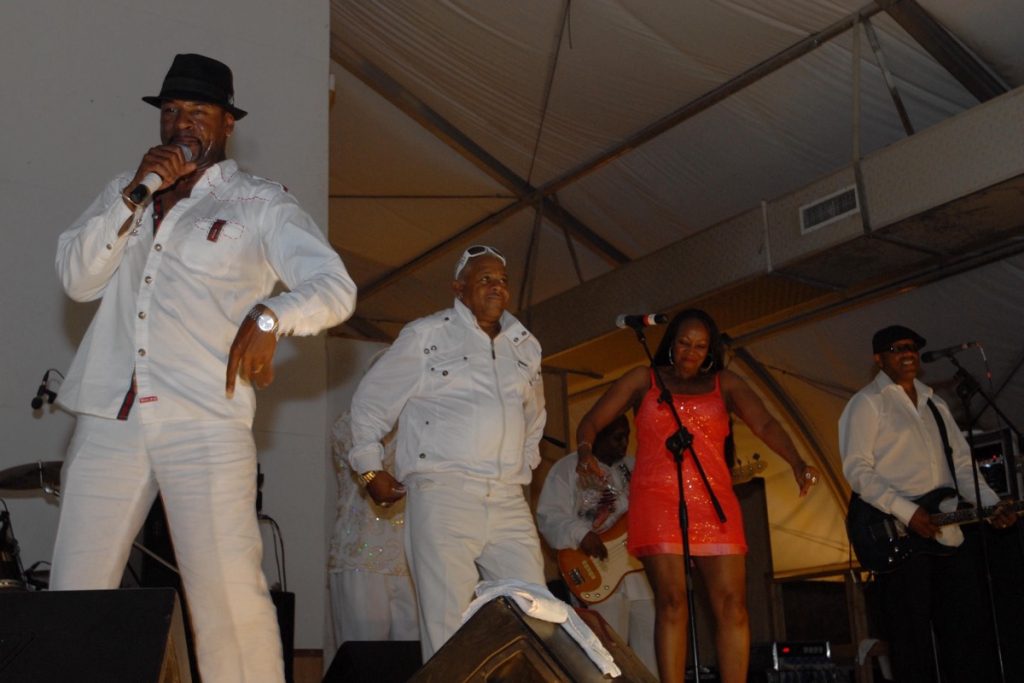
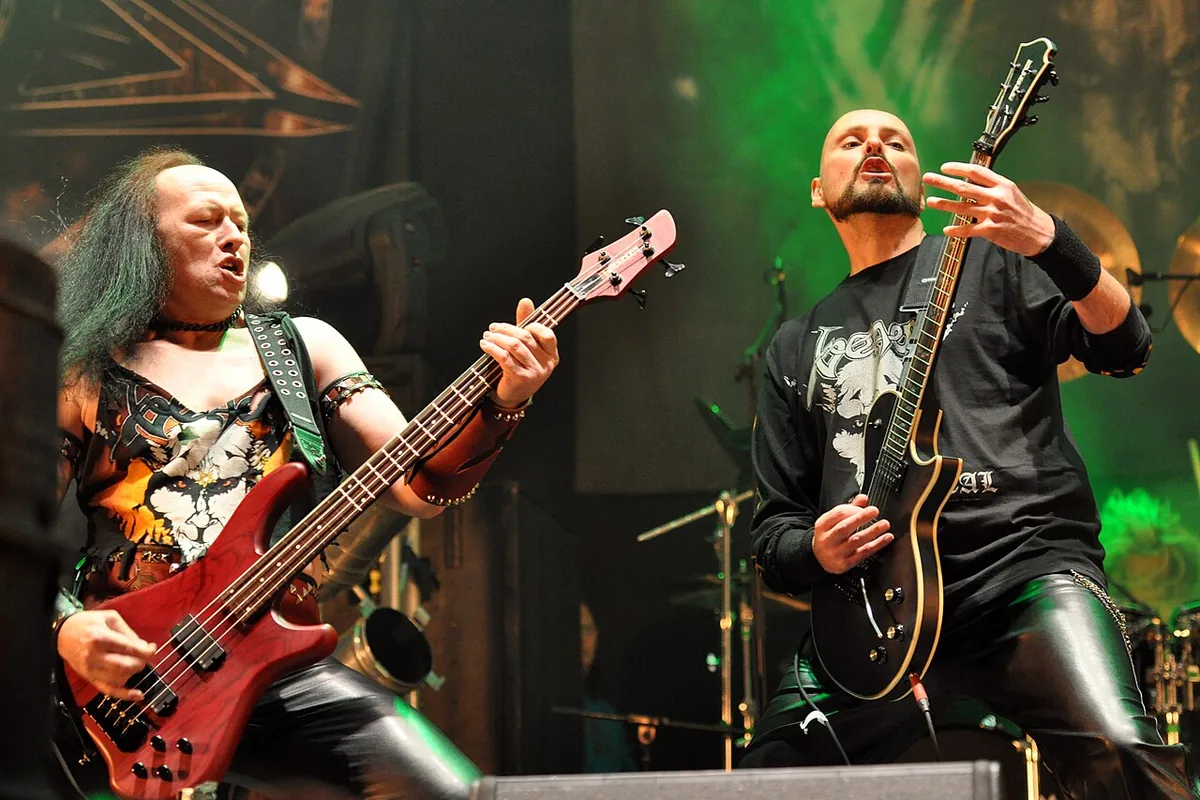
14Venom — “Possessed”
*PMRC objection: occult*
Venom’s “Possessed” adopts a demonic first-person persona involving possession, rejection of God, service to Satan, and a child marked for evil. It was the title track from the band’s 1985 album and the newest-release example in the Filthy Fifteen.
Cronos has described both a genuine interest in Satanism and demonology and a deliberately theatrical Devil persona. Those statements resist two easy, inaccurate versions of the story: that Venom’s imagery must be read as literal worship, or that every element was simply a joke.

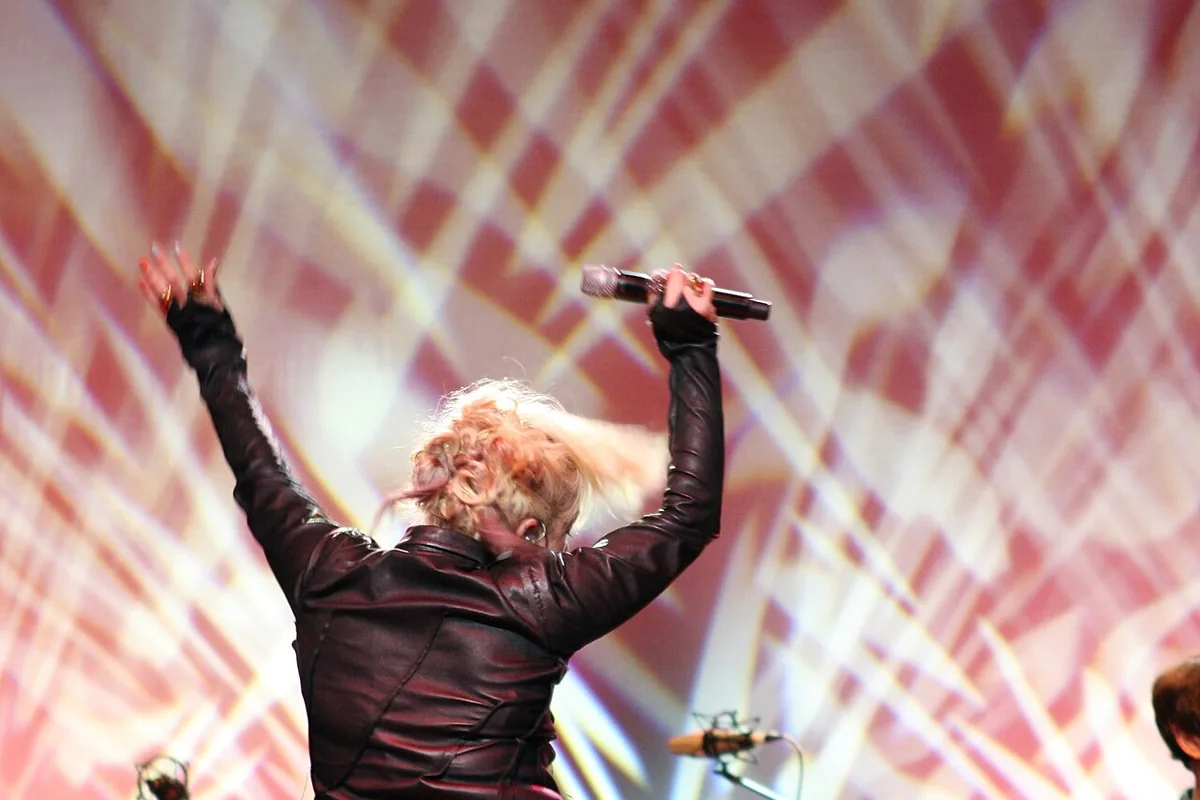
15Cyndi Lauper — “She Bop”
*PMRC objection: sex*
Cyndi Lauper has directly described “She Bop” as a comic, intentionally indirect treatment of female masturbation, including the old warning that masturbation causes blindness.
It was not graphically explicit. That was part of the point: the Filthy Fifteen did not gather only songs with the most literal sexual language. It also gathered songs whose innuendo and perceived messages made the PMRC uneasy.
.jpg)
16What the hearing actually changed
The September hearing brought the conflict into public view, with sharply different ideas about parental information and artistic expression. Frank Zappa argued that ratings and labels threatened civil liberties and suggested routine lyric printing as a less stigmatizing alternative. John Denver opposed censorship and rating systems, recalled the misreading of “Rocky Mountain High,” and accepted lyric disclosure. Snider argued that interpretation itself was subjective.
The final outcome was smaller than the battle’s mythology. On November 1, 1985, the RIAA, PMRC, and National PTA announced a voluntary arrangement for warnings or lyrics, with no uniform content rules and no government mandate. A standardized black-and-white advisory design arrived in May 1990 through recording- and retail-industry action.
The legacy is still visible, but the history should not be rewritten to make it neater. The PMRC put real pressure on the music industry, and some senators entertained regulation. Yet the Filthy Fifteen were never federally banned, the Senate hearing was not considering a bill to outlaw them, and the advisory program that survived remains voluntary.