
Avril’s outtake, Petty’s early demo, and the recording decisions that gave familiar hits a different voice.
Avril Lavigne left “Breakaway” off Let Go. Kelly Clarkson later made it the title of an album. The song had not changed into something unrecognizable. It had found a singer who could give its small-town ambition a different scale.
That is the better story behind a hit that almost went elsewhere. Songs arrive as sketches, demos, pitches, and sometimes completed recordings. The person who ends up on the sleeve is not always the first person the writer imagined.
These handoffs are not interchangeable. A singer pictured during writing is different from an artist receiving a song, and an unreleased recording is different again. One case here even produced successful versions by two singers. What connects them is the musical decision after the handoff: the phrasing, the arrangement, or the change that made the final record feel inevitable.
01Avril Lavigne co-wrote “Breakaway” for her debut. Kelly Clarkson recorded it instead.
Before it became the title of Kelly Clarkson’s second album, “Breakaway” was a song Avril Lavigne had helped write for her own debut, Let Go. It did not make that record. Clarkson later recorded it for The Princess Diaries 2 soundtrack, giving a discarded album candidate a very public second chance.
The fit was better than the hand-me-down description suggests. Lavigne’s early records made room for impatience and sharp guitar edges. “Breakaway” moves differently, starting small and opening into a broad, rising chorus. Clarkson could make that climb feel both carefully controlled and completely personal.
Lavigne eventually released her own version for Let Go’s twentieth-anniversary edition. That return adds a useful ending to the story: passing on a song need not mean disowning it. A track can miss one album, help define another singer, and still find its way back to its writer.

02Janet Jackson passed on “How Will I Know” before Whitney Houston recorded it.
George Merrill and Shannon Rubicam’s “How Will I Know” took a detour through Janet Jackson’s orbit before reaching Whitney Houston. In a later interview, Rubicam defended the decision to pass: Jackson’s developing musical direction was different from the song they had submitted.
Keep that distinction in mind before imagining a finished Whitney record sitting unwanted on somebody’s desk. Merrill and Rubicam described a substantial transformation between their song and Houston’s recording with producer Narada Michael Walden. The demo was a beginning, not an instruction manual.
Houston’s performance makes the uncertainty in the title sound wonderfully active. Her bright, precise phrasing keeps the verses moving, then the chorus lets the question expand. The song does not become a hit simply because a formidable singer arrives. It becomes her record because the arrangement gives that voice something specific to do.
03Pink and Hilary Duff passed on “Since U Been Gone” before Kelly Clarkson recorded it.
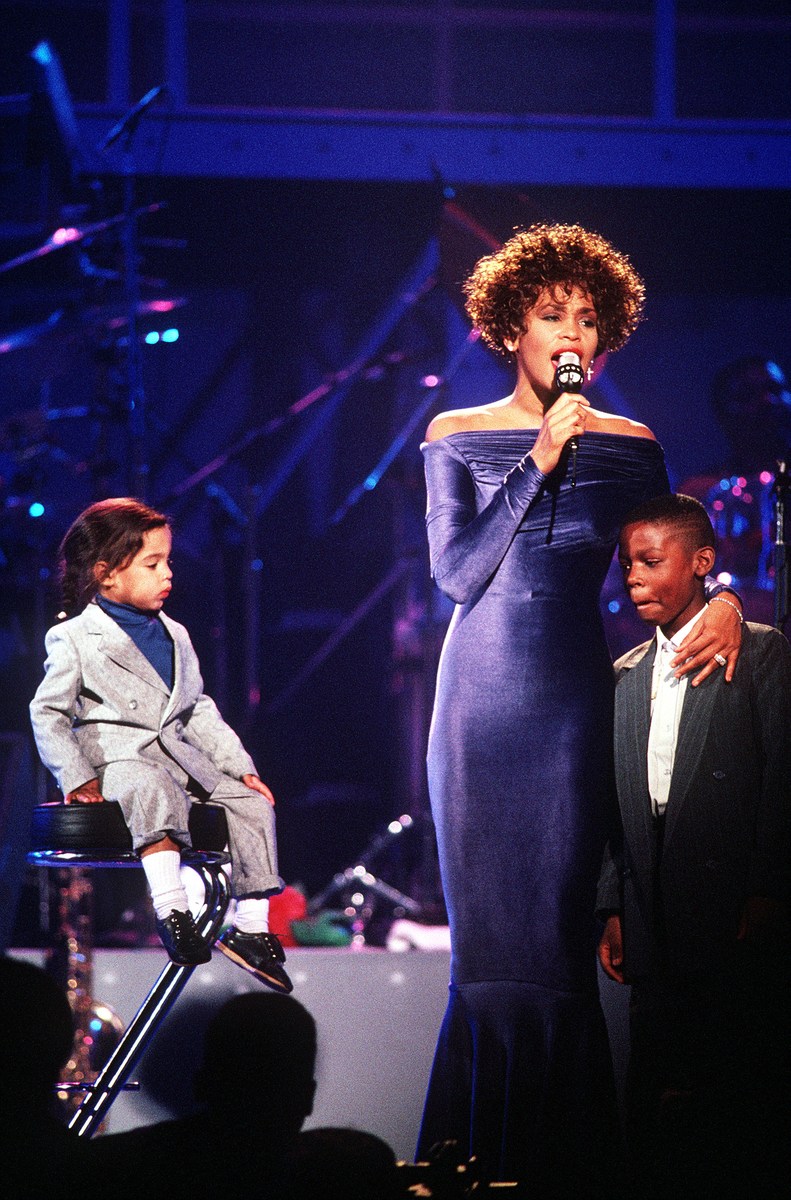
Before Kelly Clarkson heard “Since U Been Gone,” it had been pitched to Pink and Hilary Duff. The song was still looking for a performer when it reached the American Idol winner. Clarkson heard possibilities in it, but also wanted changes.
Clarkson wanted the production pushed further toward rock. In an interview cited by American Songwriter, she described asking for heavier guitars and harder drums. That request matters because the record’s appeal lives in its change of scale: a tightly contained verse suddenly opens into a chorus with room to shout.
The louder arrangement gave Clarkson a useful departure from the expectations attached to a television competition. Her contribution included a judgment about how the track should feel, alongside the voice that could carry it. The version that emerged has the polish of studio pop and the impatient forward motion of a band finally getting to the loud part.
04“Can’t Get You Out of My Head” was pitched to S Club 7 before Kylie Minogue recorded it.
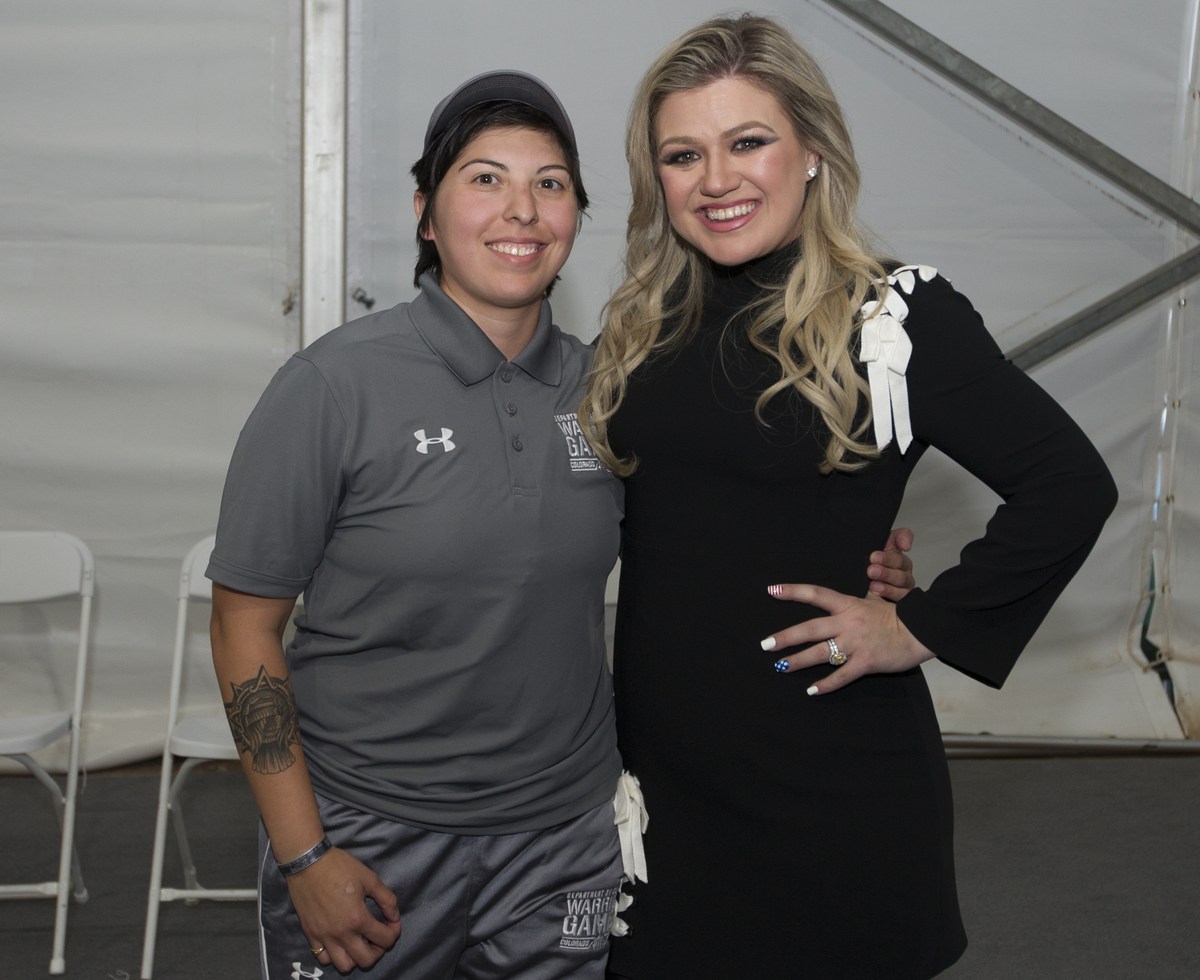
Sophie Ellis-Bextor has a problem with one durable piece of pop history: she says she never heard “Can’t Get You Out of My Head” before it reached the radio. Yet the story that she turned down Kylie Minogue’s hit keeps returning.
Her account to Double J is more complicated. She says her A&R contact told her the song had reached Polydor for S Club 7. Later, co-writer Cathy Dennis told Ellis-Bextor that she had been in mind during the writing. Those things can both be true without Ellis-Bextor ever receiving a pitch.
Kylie’s recording makes the alternate possibilities feel unusually remote. The repeating electronic figure and restrained vocal belong together, keeping the song suspended instead of rushing it toward a conventional release. The record is memorable partly because it refuses to overexplain itself. Its business history deserves the same care: a writer imagining a voice is not the same as that singer saying no.

05“Spinning Around” was intended for Paula Abdul before Kylie Minogue recorded it.
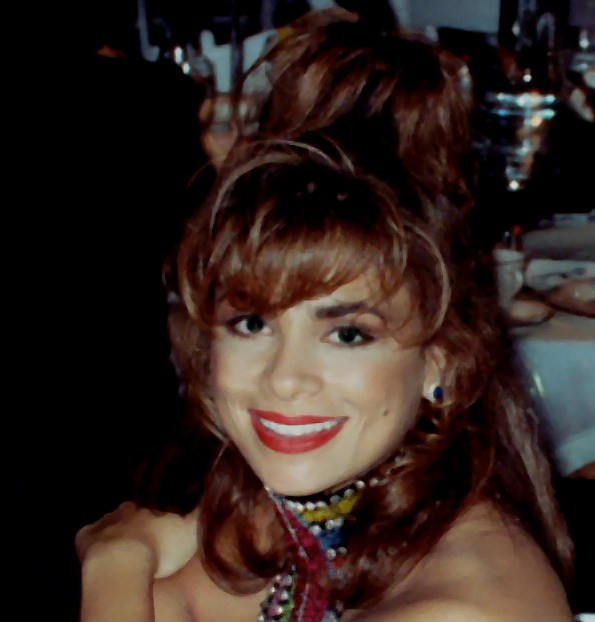
Paula Abdul was involved in “Spinning Around” before Kylie Minogue recorded it. Co-writer Kara DioGuardi has described Abdul as an early supporter, and recalled expecting Abdul, rather than Kylie, to be the artist who would carry the song.
That expectation did not become the released record. In a Billboard interview, DioGuardi recalled her initial disappointment that Abdul would not be doing it. Kylie’s version became one of the first major successes in DioGuardi’s songwriting career.
Both singers know how to put personality inside a dance rhythm. Kylie’s light, nimble phrasing sits comfortably against the track’s disco pulse, letting the groove supply the momentum. One artist had helped create the material. Another found the vocal approach that carried it into a new chapter. Abdul’s contribution remained in the writing credit, even as Kylie became the voice listeners associated with the song.
06Ed Sheeran first imagined Rihanna singing “Love Yourself,” then finished it with Justin Bieber.
Ed Sheeran heard Rihanna in his head while “Love Yourself” was taking shape. He later told Howard Stern that he began to consider Justin Bieber, and the pair worked on the track before its release on Bieber’s Purpose.
Rihanna was the voice he pictured during writing, rather than an artist known to have rejected it. Bieber became a collaborator in finishing the track. That progression matters: a performer can enter while a song is still taking shape, instead of simply arriving to sing a finished set of instructions.
The released arrangement leaves very little for a singer to hide behind. Acoustic guitar carries the pulse, the vocal stays close, and the melody makes its points without a crowded production. Bieber’s light delivery suits that economy. A song associated with one writer can still become closely identified with another performer when the final recording gives that performer a clear role. Here, the space around the voice does as much work as an extra layer of instrumentation might elsewhere.

07Bryan Ferry passed on “Don’t You (Forget About Me)” before Simple Minds recorded it.
Bryan Ferry remembers receiving a cassette from Keith Forsey with a request to record “Don’t You (Forget About Me).” Ferry was occupied with finishing Boys and Girls. He liked the chorus, he later told Stereogum, but taking on another project was a distraction.
Simple Minds were reluctant, too. Their concern was recording somebody else’s composition when they had established a sound through their own writing. SPIN’s oral history of the song documents the long route to getting the band involved, and the difference between a strong pitch and an artist ready to say yes.
Jim Kerr’s vocal gives the finished record a particular scale. He can sound conversational for a moment, then make the next phrase seem built for the back of a room. The ending extends that openness instead of neatly closing the song down. The band’s hesitation is hard to hear in the result. Their performance makes an outside composition sound like a room they know exactly how to fill.

08Tom Petty passed on the early music for “The Boys of Summer” before Don Henley recorded it.
Mike Campbell played the music that became “The Boys of Summer” for Tom Petty and Jimmy Iovine. Petty did not take it. But the track he heard was not the complete Don Henley record now lodged in radio memory.
Campbell has described changing the chorus after Petty found the earlier version too jazzy. The revised music reached Henley, whose contribution helped turn an instrumental idea into a song with a distinct point of view. That change is easy to lose when the story gets reduced to Petty rejecting a finished hit.
The recording’s guitar figures and steady electronic pulse create an unusually vivid space for Henley’s voice. There is motion everywhere, yet the vocal seems to be looking back. It is a different kind of song from a Heartbreakers performance, even with Campbell’s musical fingerprints intact. The transfer was productive because the material changed along the way. Petty’s decision and Henley’s recording concern different stages of the same idea.
09LeAnn Rimes recorded “How Do I Live,” but Trisha Yearwood’s version was chosen for the film.
Diane Warren brought “How Do I Live” to LeAnn Rimes, who recorded it while the song was being considered for a film. The version ultimately used on the soundtrack was Trisha Yearwood’s. Rimes’ recording nevertheless found an audience of its own.
In a later Smooth Country interview, Rimes recalled making the demo with Warren and the recording helping persuade the filmmakers to use the song. She treated what followed with perspective: the soundtrack went another way, but her version still became a major success.
One singer did not simply miss out while the next took possession. Two interpretations reached listeners. Rimes’ clear, sustained phrases and Yearwood’s warmer, conversational weight give the same melody different centers of gravity. The writing can hold both. Sometimes the best answer to who should have recorded a song is already there in the release history: more than one singer.
10Britney Spears recorded but did not release “Telephone.” Lady Gaga released it with Beyoncé.
Lady Gaga’s connection to Britney Spears’ version of “Telephone” went beyond imagining another voice. Spears recorded the song, but did not release it. Gaga later made it her own with Beyoncé.
Gaga recalled that earlier recording in her Howard Stern appearances. Unlike a song merely imagined for another voice, “Telephone” had already been tried by another major performer. Its return offered Gaga material she knew from the inside, but room to approach it as the lead artist.
Gaga’s version is full of musical interruptions. The gentle opening gives way to a harder electronic rhythm, and Beyoncé adds a second vocal personality rather than simply repeating the first. The arrangement keeps finding another gear. That restless construction makes sense inside Gaga’s pop, where a song can change its setting without losing its melodic thread. A writer returning to material can do more than recover it. She can discover the arrangement that makes it belong in her own catalog.

11“Umbrella” went to Britney Spears’ and Mary J. Blige’s camps before Rihanna recorded it.
Before Rihanna recorded “Umbrella,” the song circulated through other artists’ camps, including Britney Spears’ and Mary J. Blige’s. The-Dream and Tricky Stewart had a track with a clear central idea. Finding its performer was another task.
The distinction between reaching a camp and reaching a singer matters here. Material can pass through labels and managers without getting a direct decision from the artist. The route to Rihanna was not a simple contest in which every famous name heard the same recording and gave a final verdict.
Her performance gives the repeated hook an unusually firm outline. Against the track’s spacious beat, she sounds certain rather than ornamental. The melody does not need to get busier to become larger. Once she had found that balance, the earlier routing became a footnote to a recording with a clear identity. The surprise is not that somebody failed to recognize a hit. It is how much a supposedly complete song can still need its singer.

12CeeLo Green recorded “Happy” before Pharrell Williams released it.
Pharrell Williams has described a version of “Happy” that got much further than a demo somebody declined to open. He gave the song to CeeLo Green, who recorded it. According to Pharrell, Green’s team decided it was not right for him, and the recording stayed unreleased.
Pharrell then released his own version. In his Howard Stern interview, he praised Green’s performance rather than pretending the first attempt had failed musically. The obstacle in his telling was the decision to release it, not a singer unable to make it work.
The familiar recording leaves room for the rhythm and the vocal responses to carry its optimism. Pharrell’s light lead sits inside that movement rather than trying to overpower it. The result feels easy, but the release history was not. An earlier singer had already given the song a performance, and that performance had not secured a place on a release. Its next interpreter happened to be the writer himself.
13TLC passed on “…Baby One More Time” before Britney Spears recorded it.
TLC had an established identity when “…Baby One More Time” came their way. Britney Spears did not yet have a released debut single. The same piece of material arrived with very different possibilities for the two acts.
T-Boz has acknowledged that TLC were offered the song and decided it did not fit them. The group had a sound built around distinct voices working together. Spears’ recording would put one new voice at the center. Those are different jobs for a melody, even when the underlying song is strong.
Spears’ recording makes the point more persuasively than any imaginary sales forecast. The piano opening announces itself immediately, while her phrasing gives the melody a recognizable contour of its own. The record did not simply borrow an audience from an established performer. It helped introduce one.
That is the most consequential kind of handoff in this collection. The material found a singer, and listeners began to understand the singer through the material. The song was available before the pop identity was settled. Together, they made the earlier possibilities harder to imagine.