
Some were too suggestive for radio. Some were too confrontational for MTV. Some just challenged the wrong people. The restrictions became part of the songs’ stories.
Nobody Sells a Song Like the People Trying to Ban It
Here is the pattern nobody in charge ever seems to learn: the fastest way to make a song impossible to ignore is to announce, loudly, that you are protecting the public from it.
Before an algorithm could turn a track controversial in an afternoon, the gatekeepers were radio programmers, MTV, the BBC, record labels, parent groups, and the courts. Each could apply a different kind of pressure: restrict airplay, refuse a video, seek a warning label, limit sales, or take a dispute to court. Each restriction also raised a question for listeners: what, exactly, am I not supposed to hear?
These ten songs answer it. Some explored adult themes. Some were confrontational. Some were political. A couple were barely explicit at all. They just landed in front of the wrong authority at the wrong moment. What they share is the twist: the attempt to restrict them became part of the reason people wanted to hear them.
Each entry is tagged with what actually happened, because “banned” is a loose word and the differences are part of the story.
01
BBC BROADCAST BAN
01“Relax” was the ban that gave away the whole game
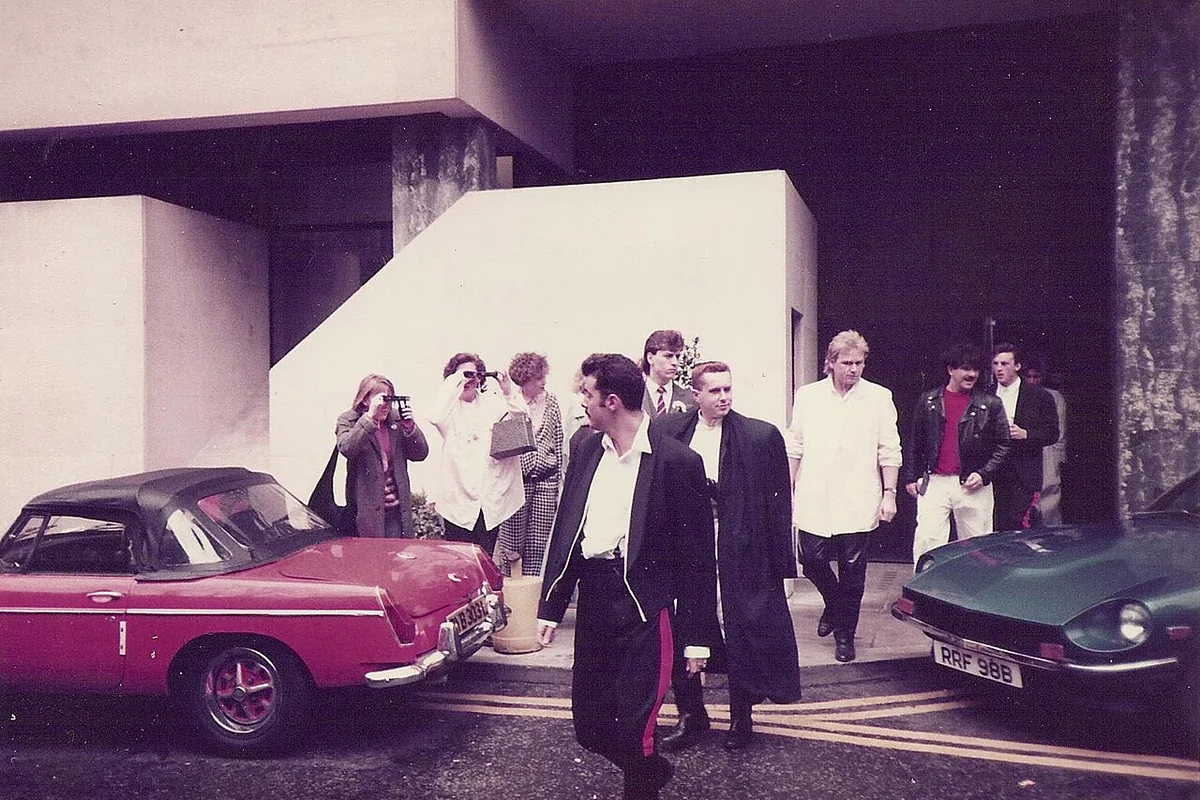
Start here, because this is the ban that gave away the whole game.
In early 1984, a BBC Radio 1 DJ pulled “Relax” off the air mid-play, objecting to what the lyrics were really about. BBC restrictions followed. The record was already climbing. Then it did the opposite of disappear: it went to No. 1 in the UK and stayed near the top for months. The band’s controversy also became a fashion line, as the “FRANKIE SAY RELAX” T-shirt turned a censored song into something you could wear.
The feedback loop was almost comic. The more the national broadcaster warned people away, the more the country wanted to know what it was missing. The ban didn’t kill the record. It printed the merchandise.
02
BBC BROADCAST BAN
02A whisper made “Je t’aime… moi non plus” controversial

A whisper did this one.
The 1969 recording wasn’t shocking simply because of what it said. The breathy, unmistakably intimate performance made broadcasters nervous. The BBC refused to play it. The refusal handed the song a second identity: it became the record the most powerful broadcaster in Britain didn’t want you to hear.
So people found it anyway, and it reached No. 1, reportedly the first banned single ever to top the UK chart. Suggestion travels further than description, and forbidding something is the loudest way to describe it.
03
BBC / RADIO BAN
03Donna Summer’s “Love to Love You Baby” made a disco single too much for radio
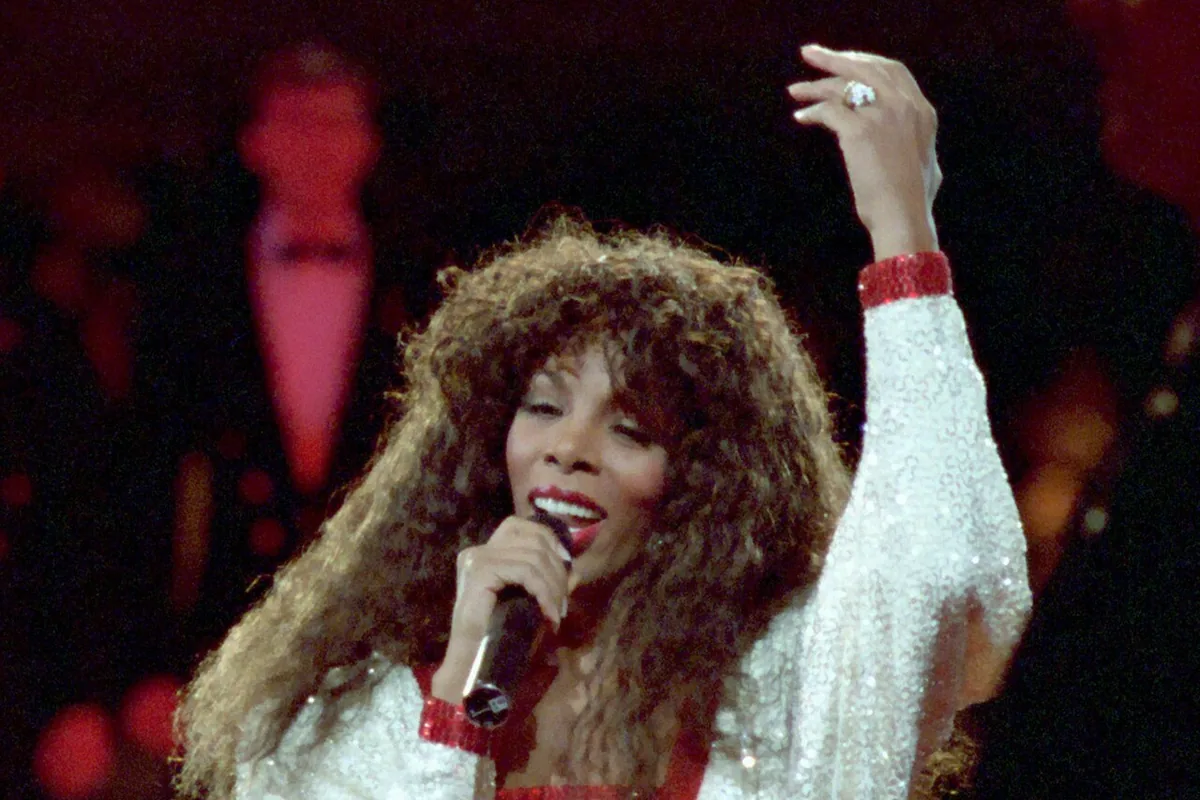
By the mid-1970s the gatekeepers had a new problem: a song they couldn’t treat like an ordinary pop single even if they wanted to.
Donna Summer’s breakthrough arrived as a long, openly sensual performance that some broadcasters, the BBC among them, refused to play in full. It became a major hit regardless and helped define the extended dance single as a format.
Its length, sound, and performance were built to be too much for a three-minute radio slot, and the outrage confirmed the record was doing exactly what it set out to do.
04
WARNING-LABEL CAMPAIGN
04Prince’s “Darling Nikki” Helped Drive a Warning-Label Campaign
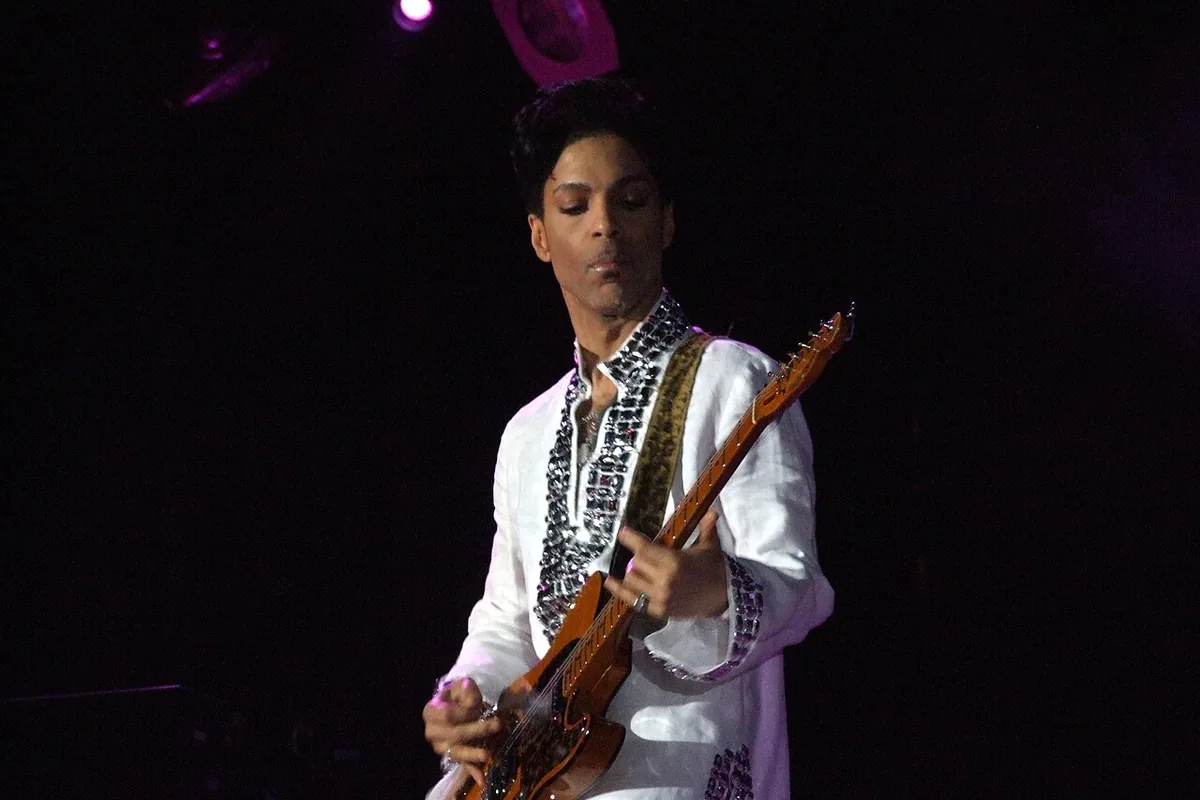
Some songs drew broadcast bans. This one helped drive a debate over record labels.
When Tipper Gore heard the adult content in Prince’s “Darling Nikki,” it helped set off the Parents Music Resource Center’s campaign for content warnings. The result wasn’t a single ban. It was a national fight, a Senate hearing, and voluntary industry advisories that later became familiar on millions of records.
What began as a parent’s objection became an industry-wide argument. Later versions of the black-and-white advisory became a familiar part of record packaging.
05
MTV REFUSAL
05Madonna Offered Viewers Another Way to See the Video
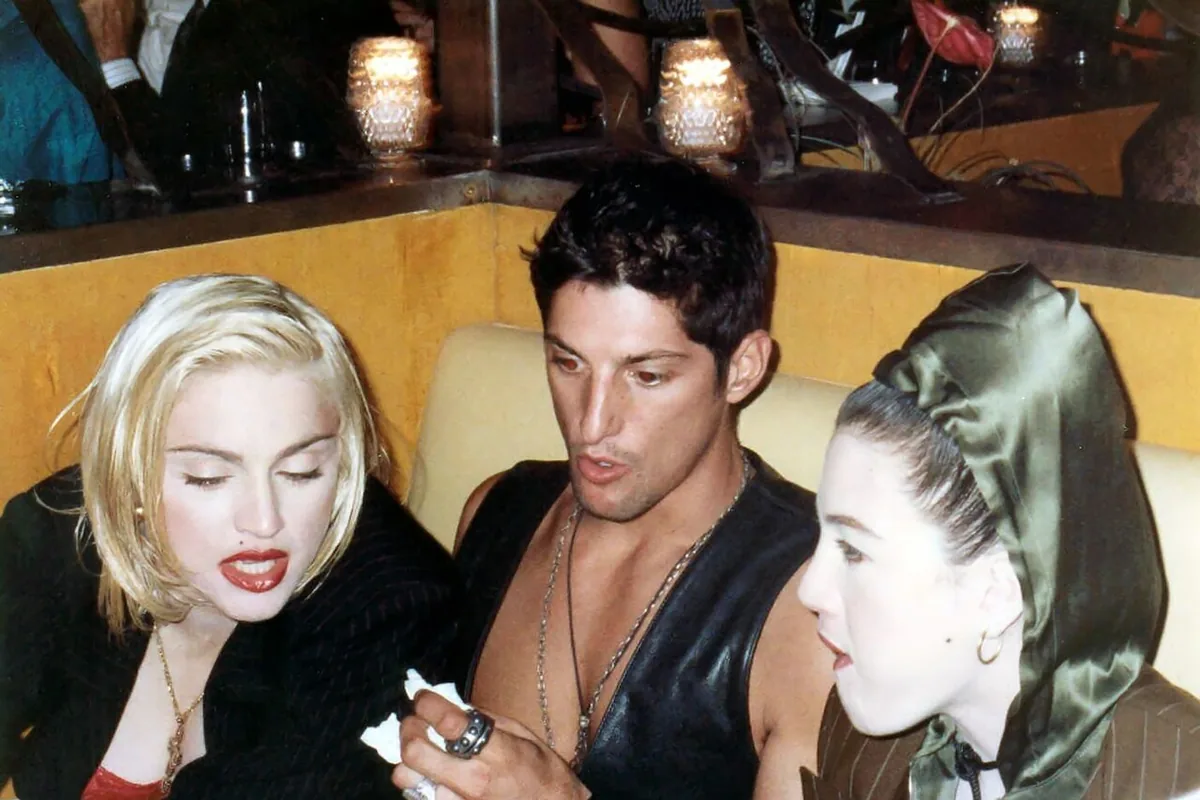
Madonna turned a rejection into a product fans could buy.
In 1990, MTV refused to air the “Justify My Love” video over its adult imagery. Instead of accepting the wall, Madonna released the video commercially as a paid single. You could buy the thing MTV wouldn’t broadcast.
The refusal didn’t contain the video. It helped make the video single part of the controversy.
06
LEGAL / COURT CASE
062 Live Crew took the argument from radio to court
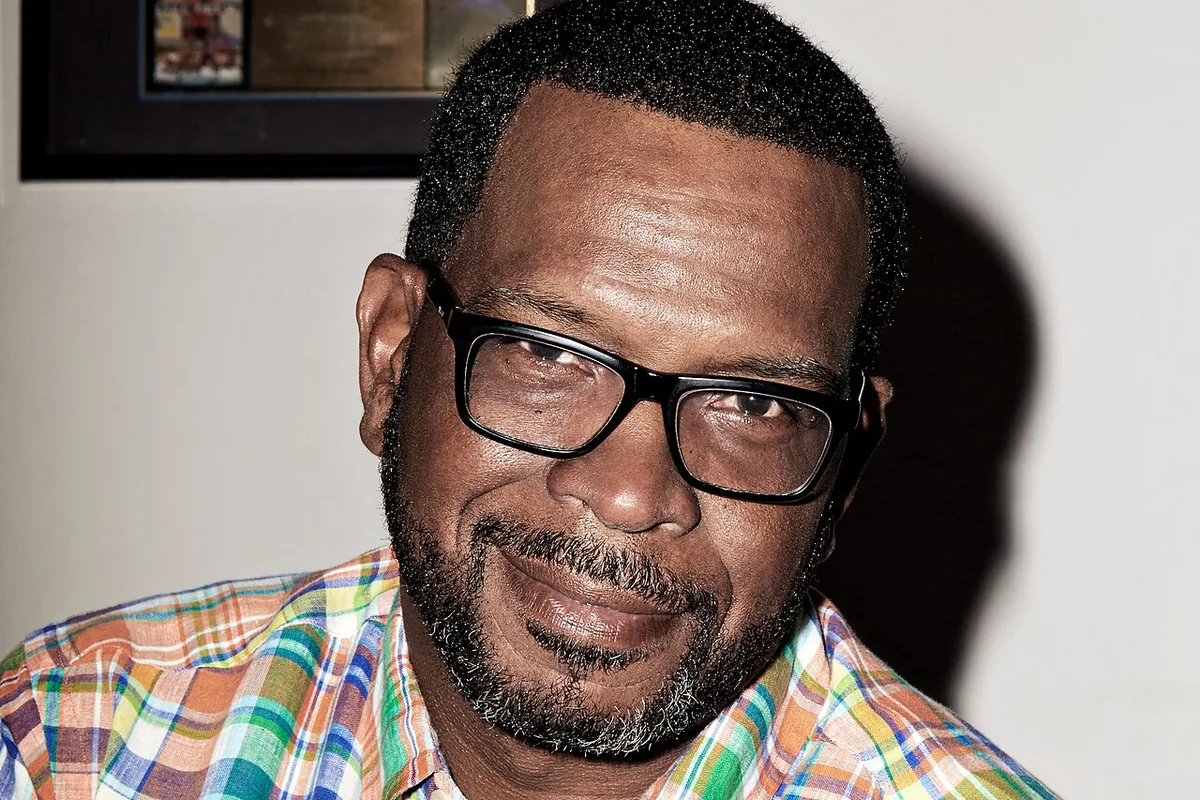
This is where the argument left the radio and entered a courtroom.
2 Live Crew’s album As Nasty As They Wanna Be became the subject of an obscenity case in Florida, complete with a federal judge’s ruling and arrests tied to selling and performing the music. An appeals court later overturned the finding. The case had turned a rap record into a national debate over the legal limits of expression.
The controversy wasn’t only about taste. It became a legal argument over whether rap was being judged by rules applied evenly to other genres.
07
MTV / BBC RESTRICTION
07“Smack My B*tch Up” Made Broadcasters Negotiate the Limits
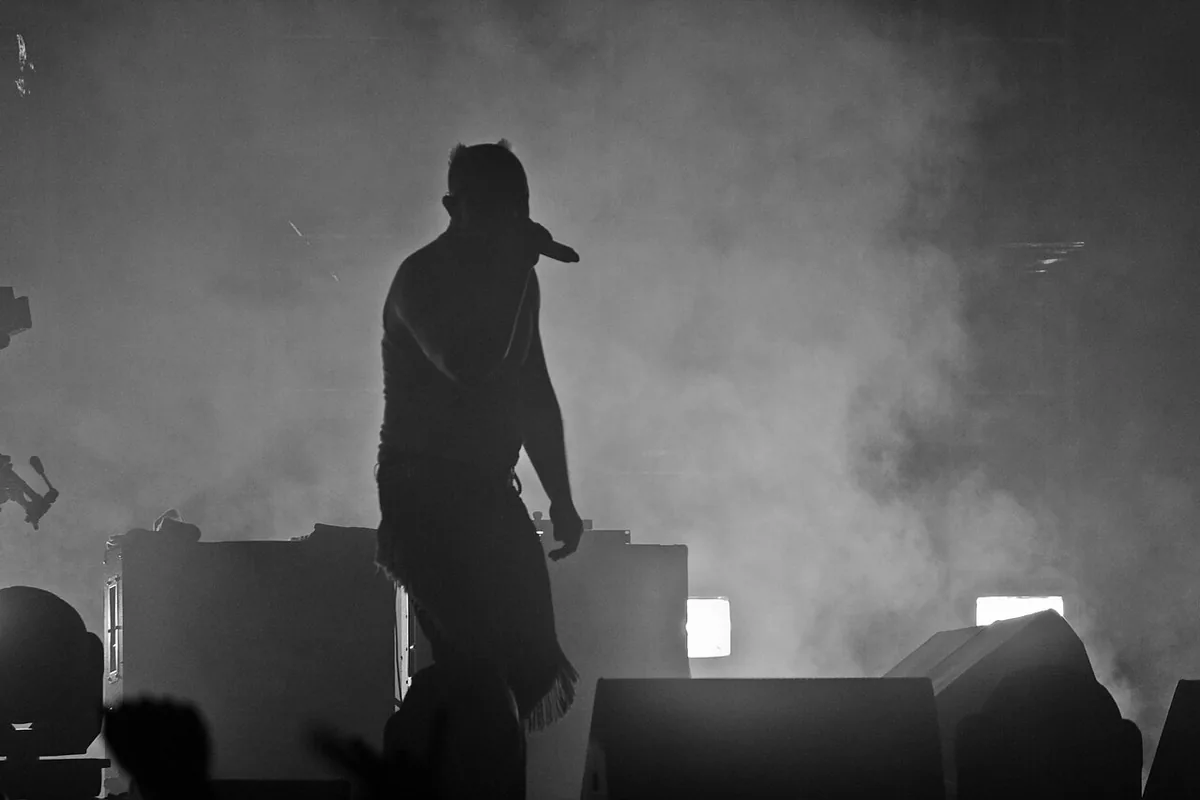
The title alone guaranteed a fight. The video made the gatekeepers negotiate.
The Prodigy’s 1997 video, a first-person tour through a reckless night of adult excess, became a censorship flashpoint. MTV pushed it to restricted, late-night play. The BBC and others treated it as edit-only or off-limits.
The video hid whose eyes you were watching through, so you had to keep going to reach the reveal. The restriction created a mystery around that payoff and sharpened the appetite to see the uncut version.
08
BBC BROADCAST BAN
08The Beatles proved a song didn’t need to be explicit
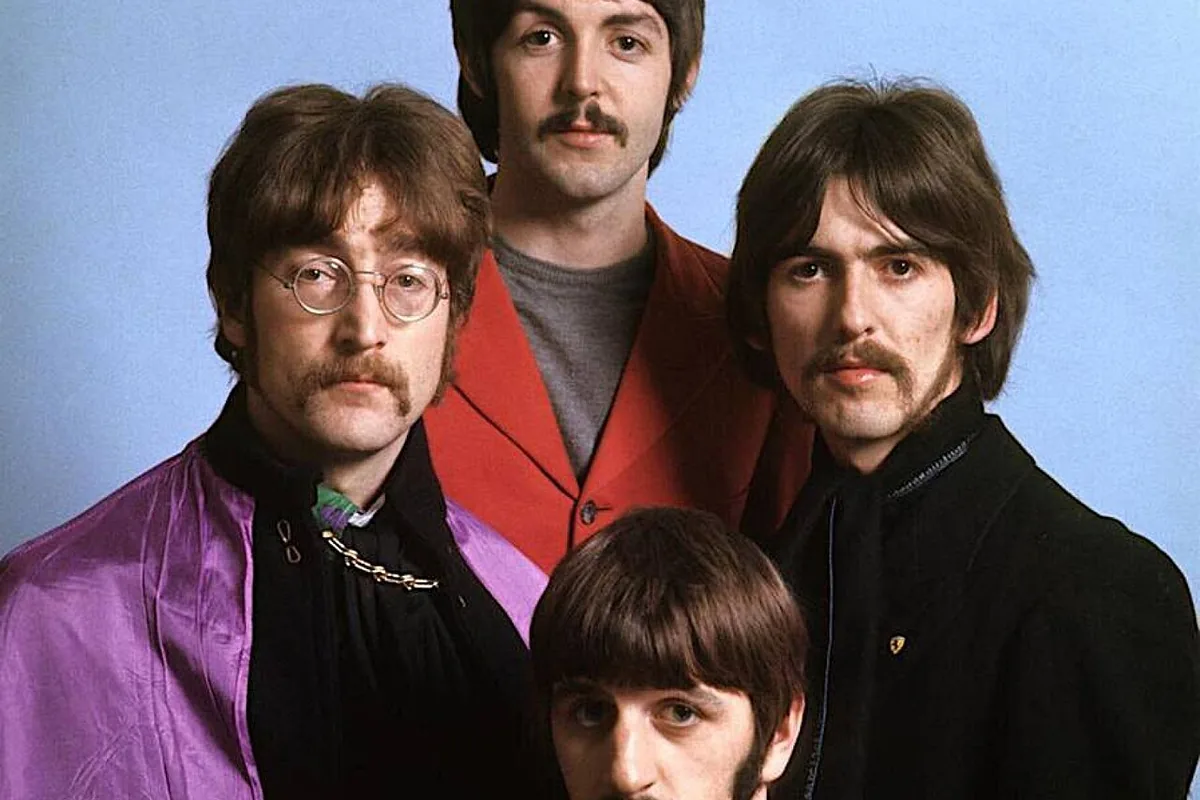
Proof that a song didn’t need to be explicit to be treated as dangerous. It just needed the wrong association.
The BBC banned “A Day in the Life” over a single line it read as encouraging drug use. The restriction rested on the broadcaster’s interpretation of the words. One phrase, one implication, and the most celebrated band in the world was off the playlist.
The dispute wasn’t only about adult content. It was about which ideas a broadcaster believed the public couldn’t be trusted to hear without supervision.
09
BBC / BROADCAST BAN
09The Sex Pistols turned political anger into a national incident
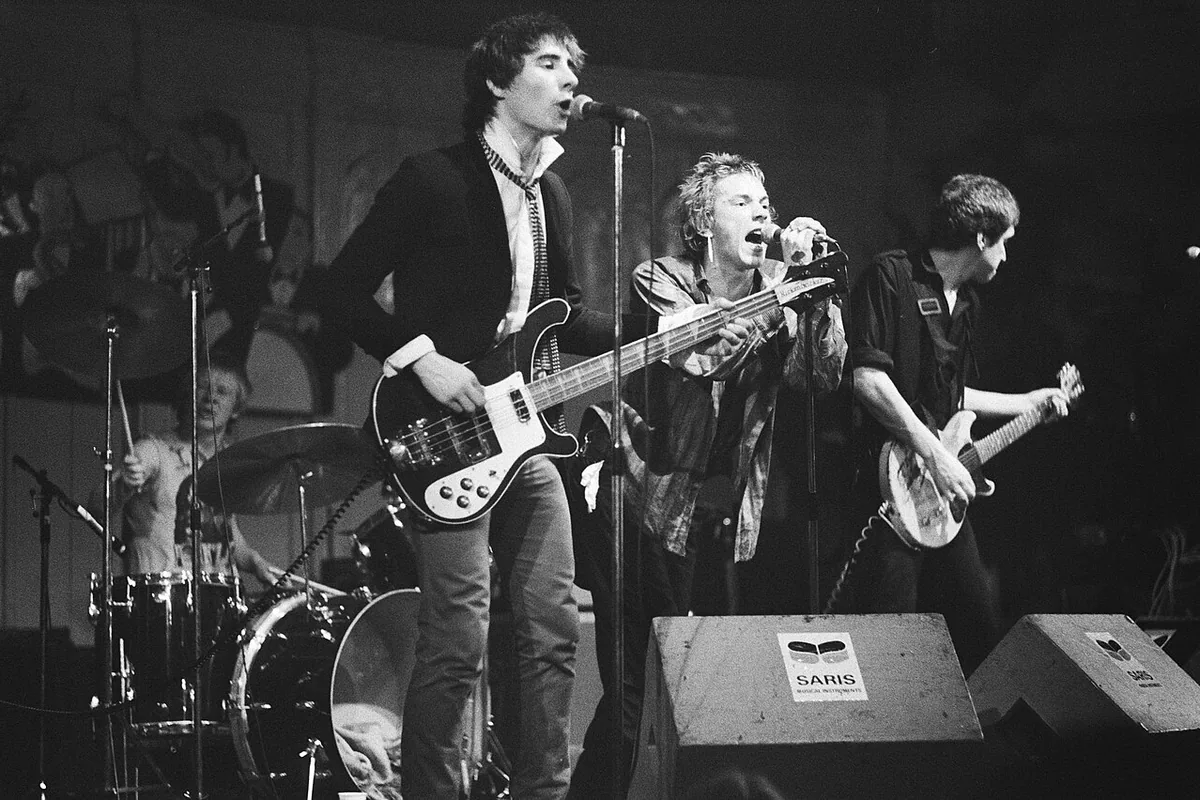
Sometimes the target isn’t the lyric’s subject. Sometimes it’s the audacity.
Released around the Queen’s Silver Jubilee in 1977, the Sex Pistols’ “God Save the Queen” was kept off the airwaves as its message collided head-on with the national mood. The controversy turned a record into a public incident, and to this day there’s an argument about whether the chart was quietly managed to keep it from No. 1.
A ban can promote a song from something people hear into something people feel they have to take a side on.
10
RADIO EDIT / PLATFORM-ERA BACKLASH
10“WAP” showed how the old ban became an edit and a news cycle
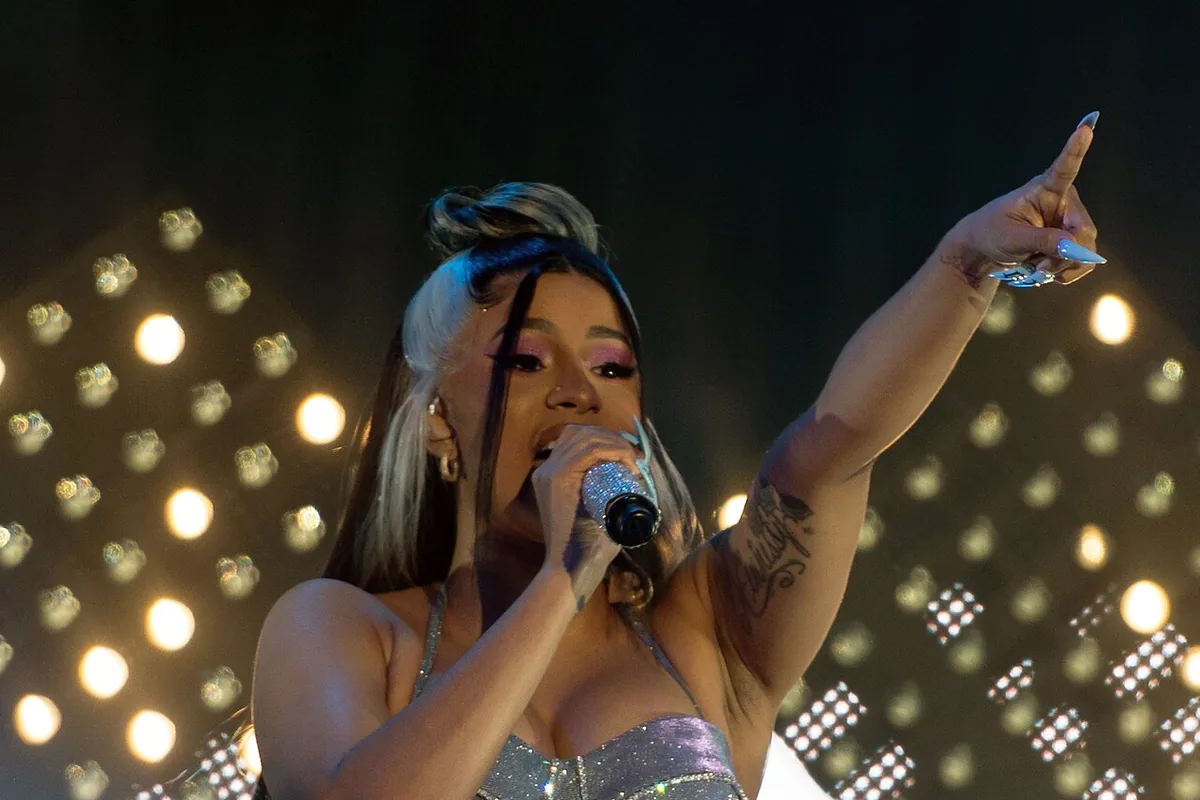
The old machinery still runs. It just has more operators now.
“WAP” wasn’t a clean radio-ban story. It was the modern version: explicit lyrics, a scrubbed clean edit, a wave of political outrage, days of public debate, and a No. 1 hit riding all of it at once.
The gatekeepers are no longer only radio programmers and TV executives. They’re platforms, advertisers, politicians, parents, and a social audience reacting in real time. What didn’t change is the outcome: the louder the objection, the bigger the song.
A Restriction Can Become a Record’s Biggest Advertisement
Line these up and a pattern emerges: the restriction becomes a headline, the warning label becomes an argument, and the controversy gives listeners another reason to investigate the record.
A ban can make a promise no marketing budget can buy: that there is something here worth being protected from. For curious listeners, that warning can become an invitation.
In these stories, the controversy keeps pointing back to the music. People don’t just want to know why a record was forbidden. They want to hear the thing that caused the fight and decide for themselves whether anyone should have tried to stop them.